 January 2020 in “Przegla̧d dermatologiczny”
 This article presents a clinical approach to diagnosing and managing hirsutism from a dermatological perspective, but it reports no new clinical findings.
 20 citations
,
January 2012 in “International Journal of Trichology”
20 citations
,
January 2012 in “International Journal of Trichology” This study identified polycystic ovarian syndrome as the most common cause of hirsutism among patients and found a positive correlation between hirsutism severity and free testosterone levels.
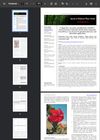 July 2026 in “Journal of Medicinal Plants Studies”
 In this study, methanolic extracts of Hibiscus rosa-sinensis showed higher phenolic and flavonoid content, as well as greater concentrations of gallic acid and quercetin, than aqueous extracts, despite the latter yielding more extract, highlighting the effectiveness of methanol for extracting bioactive phytochemicals.
 116 citations
,
April 2002 in “American journal of veterinary research”
116 citations
,
April 2002 in “American journal of veterinary research” This study found trilostane to be an effective and generally safe treatment for improving symptoms in dogs with pituitary-dependent hyperadrenocorticism.
 April 2022 in “International Journal of Health Sciences (IJHS) (En línea)”
 In this study, injection of cross-linked hyaluronic acid into the upper eyelid significantly improved the appearance of sunken and hollowed eyes in participants over a period of more than one year, with follow-ups at two weeks and three months.
 February 2020 in “Open Access Macedonian Journal of Medical Sciences”
 In this case report, treatment with corticosteroids improved both clinical symptoms and hormonal imbalances in a 27-year-old woman diagnosed with non-classic congenital adrenal hyperplasia.
 October 2012 in “Semina. Ciências Agrárias”
 This case report details a 7-year-old Shih Tzu with pituitary-dependent hyperadrenocorticism, where initial trilostane treatment did not improve skin conditions, necessitating a dosage increase.
 7 citations
,
January 2022 in “Anais Da Academia Brasileira De Ciencias”
7 citations
,
January 2022 in “Anais Da Academia Brasileira De Ciencias” This study found that essential oils from Hedychium spicatum showed anti-inflammatory, antinociceptive, antipyretic, and antioxidant activities, with site-specific variations in their effectiveness.
December 1990 in “PubMed” This article discusses the role of androgens in causing hirsutism and male pattern baldness in women and emphasizes the need for antiandrogen treatment to manage these conditions, without reporting new clinical results.
 August 2022 in “JAAD case reports”
 This case report describes a 36-year-old woman with hidradenitis suppurativa whose condition progressed to rapidly fatal squamous cell carcinoma, highlighting the potential for aggressive tumor development linked to specific protein markers.
6 citations
,
January 2001 in “Cambridge University Press eBooks” This review discusses how androgen excess in polycystic ovary syndrome can lead to hirsutism, seborrhea, and worsen conditions like androgenetic alopecia and acne, but includes no new research findings.
 4 citations
,
October 2019 in “Case Reports”
4 citations
,
October 2019 in “Case Reports” This report describes the first known case of diffuse idiopathic skeletal hyperostosis in a woman under 40, associated with both metabolic syndrome and polycystic ovarian syndrome.
19 citations
,
January 2020 in “Journal of Biophotonics” This study found that using a PEG-400/oleic acid mixture as an optical clearing agent enhanced the detection depth of particles in skin without causing dehydration, based on tests in rats and further testing in vivo.
 July 2022 in “The journal of investigative dermatology/Journal of investigative dermatology”
 This study suggests that impaired Nrf2 signaling and its relationship with keratin 16 may contribute to follicular hyperkeratinization and occlusion in hidradenitis suppurativa, opening new therapeutic avenues.
 47 citations
,
August 2000 in “Endocrine Reviews”
47 citations
,
August 2000 in “Endocrine Reviews” This review discusses idiopathic hirsutism, potential underlying mechanisms, and various therapeutic approaches without providing new clinical results, and emphasizes the need for further research on well-defined patient groups.
1 citations
,
July 2024 in “Applied Psychology Research” This review examines the psychological impact of excessive hairiness on women with PCOS and hyperandrogenism and reports no new clinical results, highlighting the need for further research on underlying mechanisms.
26 citations
,
August 2009 in “Journal of Pediatric Gastroenterology and Nutrition” This study reports that gastrointestinal problems, such as intractable diarrhea and enterocolitis, can dominate the clinical course of patients with Hoyeraal-Hreidarsson syndrome and may occur before hematological and immunological symptoms.
September 2017 in “Zenodo (CERN European Organization for Nuclear Research)” This study suggests that a topical hydroalcoholic extract of liquorice root significantly reduced sebaceous gland size in Syrian hamsters, indicating potential for use in anti-acne therapy.
 October 2022 in “Dermatology practical & conceptual”
 This study found that bipolar disorder is more prevalent in patients with hidradenitis suppurativa than in those with psoriasis or in control groups.
 July 2025 in “International Journal of Homoeopathic Sciences”
 This study suggests that homeopathic treatments may significantly improve menstrual regularity, reduce cystic formations, and enhance the overall quality of life for women with polycystic ovarian disease, indicating its potential as a complementary therapy in gynecological care.
10 citations
,
November 2024 in “Diagnostics” This review discusses the role of elevated androgens in the skin-related symptoms of polycystic ovary syndrome, such as acne and hirsutism, and provides insights into the mechanisms behind these manifestations to inform effective treatment strategies.
January 2026 in “Molecular Nutrition & Food Research” This study found that Gynostemma pentaphyllum hydrodistillate and Damulin B exert significant anti-photoaging effects in UVB-irradiated models by reducing oxidative stress, improving ECM integrity, and enhancing skin hydration and elasticity.
 November 2022 in “The Journal of Clinical Endocrinology and Metabolism”
 This review discusses the causes and recommended clinical investigations for postmenopausal hyperandrogenism, highlighting the role of androgen excess in symptoms like hirsutism and its association with metabolic disorders.
 50 citations
,
July 1996 in “Fertility and Sterility”
50 citations
,
July 1996 in “Fertility and Sterility” This study found that finasteride significantly reduced hirsutism scores in women with idiopathic hirsutism and PCOS, despite no changes in serum androgen levels.
 13 citations
,
January 2012 in “International Journal of Trichology”
13 citations
,
January 2012 in “International Journal of Trichology” In this study, idiopathic hirsutism was identified as the most common cause of hirsutism among the participants, with a significant difference in hormone levels between cases of polycystic ovarian syndrome and idiopathic hirsutism.
 14 citations
,
September 2015 in “Expert Opinion on Therapeutic Targets”
14 citations
,
September 2015 in “Expert Opinion on Therapeutic Targets” This review discusses potential treatments for androgen excess in polycystic ovary syndrome and reports no new findings, emphasizing the importance of individualized antiandrogenic management to minimize side effects.
 1 citations
,
April 2021 in “International Journal of Dermatology”
1 citations
,
April 2021 in “International Journal of Dermatology” This review discusses the relationship between hyperandrogenic conditions like PCOS and COVID-19, noting that while hyperandrogenic women have varied hospitalization rates, they do not show increased mortality, and suggests isotretinoin as a potential therapeutic option for cutaneous symptoms.
 35 citations
,
March 2012 in “Experimental and Clinical Endocrinology & Diabetes”
35 citations
,
March 2012 in “Experimental and Clinical Endocrinology & Diabetes” This article discusses various causes of hyperandrogenism in women and highlights diagnostic considerations for conditions such as PCOS, NCCAH, Cushing's disease, and androgen-secreting tumors, without reporting new clinical results.
11 citations
,
April 2017 in “Scholar Science Journals - International Journal of Biomedical Research” The researchers reported that a hydroalcoholic extract of Hibiscus Rosa Sinensis flowers was more effective than glibenclamide in reducing blood sugar levels in alloxan-induced diabetic rabbits, and demonstrated superior antioxidative and lipid-lowering effects, suggesting potential as an alternative antidiabetic treatment.
January 1995 in “Revista de arqueología” In this study, the vitamin D analogues 1 alpha,25-dihydroxy-vitamin D3 and calcipotriol were found to thin the living cell layer and affect differentiation marker expression in organotypic cultures of human outer root sheath cells.