 7 citations
,
May 2016 in “European Polymer Journal”
7 citations
,
May 2016 in “European Polymer Journal” This study found that biodegradable hyperbranched polyesters improved the solubility and loading capacity of hydrophobic drugs, with complete pyrene release achieved in 16 days under enzymatic conditions.
January 2016 in “Universitätsbibliothek der FU Berlin Hochschulschriftenstelle u. Dokumentenserver” This study found that novel biodegradable nanocarriers with highly hydrophobic cores significantly increased the solubility and sustained release of hydrophobic drugs and dyes, showing promise for drug delivery applications.
22 citations
,
April 2010 in “Journal of Cellular Biochemistry” This study concluded that the hairless protein interacts with the vitamin D receptor to repress transcription crucial for hair cycling, employing multiple protein interfaces and modulating chromatin structure.
 10 citations
,
May 2016 in “Polymer”
10 citations
,
May 2016 in “Polymer” This study reports that novel core-ABS nanocarriers efficiently loaded with dexamethasone and finasteride show potential for dermal drug delivery, exhibiting non-toxic interactions with human keratinocyte cells and skin penetration.
 178 citations
,
October 2001 in “Genes & Development”
178 citations
,
October 2001 in “Genes & Development” This study found that the mammalian hairless gene encodes a corepressor protein that interacts with thyroid hormone receptors, providing insights into hair loss syndromes in humans and mice.
18 citations
,
February 2025 in “Macromolecular Rapid Communications” In this review, researchers explored thermo-responsive polymers and their applications in nanomedicine, highlighting their role in targeted drug delivery, gene therapy, and imaging, enabled by their temperature-sensitive phase transitions to ensure localized therapeutic action and minimize damage to healthy tissues.
14 citations
,
November 2021 in “Nanoscale” This study's simulations revealed the complex "onion-like" organization of a lipid nanoemulsion droplet containing vitamins A and E for skin delivery, showing distinct concentration patterns of these vitamins within different layers of the nanodroplet.
 12 citations
,
January 2009 in “Journal of Oleo Science”
12 citations
,
January 2009 in “Journal of Oleo Science” The researchers reported that sterol surfactants with a bulky planar structure effectively solubilized ultraviolet ray absorbers, offering a stable solution more efficiently than other surfactants.
In this study, researchers developed a photocurable polyurethane resin for 3D printing, creating high-resolution elastomeric microwell arrays that effectively promote uniform spheroid formation and growth of A549 cells, which could aid in disease modeling and organoid research.
December 2025 in “Regenerative Biomaterials” In this study, researchers developed a responsive bilayer hydrogel for diabetic wounds that delivers drugs and oxygen in sync with healing stages, achieving a 99.1% wound closure rate in 14 days by integrating anti-inflammatory, antibacterial, and anti-fouling functions.
 47 citations
,
September 2015 in “Journal of Drug Delivery Science and Technology”
47 citations
,
September 2015 in “Journal of Drug Delivery Science and Technology” This article reviews various strategies, primarily developed by the Turin University Pharmaceutical Technology group, for increasing entrapment efficiency of hydrophilic molecules in nanoparticulate systems and reports no clinical results.
 30 citations
,
January 2009 in “Nuclear Receptor Signaling”
30 citations
,
January 2009 in “Nuclear Receptor Signaling” This study identified the Hairless (Hr) gene-encoded protein as a corepressor that plays a crucial role in maintaining skin and hair by regulating epithelial stem cell differentiation and gene expression via chromatin remodeling, which may impact both development and disease.
 January 2006 in “Advances in developmental biology”
 This review discusses the roles of the hairless (HR) protein as a corepressor, particularly its impact on RORα-mediated transcriptional repression, and reports no new experimental findings.
 24 citations
,
July 2017 in “Structure”
24 citations
,
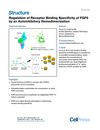
July 2017 in “Structure” In this study, researchers found that ligand homodimerization controls the receptor binding specificity of the FGF9 subfamily, preventing off-target activation of FGFR "b" isoforms.
 45 citations
,
August 2005 in “Bioorganic & medicinal chemistry”
45 citations
,
August 2005 in “Bioorganic & medicinal chemistry” This study found that novel androgen antagonists incorporating a carborane moiety showed anti-androgenic activity comparable to flutamide in a laboratory setting.
 25 citations
,
January 2010 in “International Journal of Pharmaceutics”
25 citations
,
January 2010 in “International Journal of Pharmaceutics” This study found that polymeric nanoparticles retained more minoxidil and facilitated superior drug permeation compared to lipid nanoparticles, although premature drug release affected formulation performance.
 9 citations
,
April 2019 in “Journal of structural biology”
9 citations
,
April 2019 in “Journal of structural biology” This study found that coconut oil impedes hair hydration more effectively than soybean oil by penetrating deeper, and suggested a new model for intermediate filament assembly in hair.
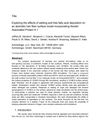
This study used molecular dynamics simulations to illustrate the complex molecular behavior of the hair surface F-layer, highlighting how fatty acids interact with 18-MEA under different conditions.
 421 citations
,
January 2015 in “Chemical Society Reviews”
421 citations
,
January 2015 in “Chemical Society Reviews” This review discusses recent advances in surface modification and endothelialization of biomaterials for vascular grafts, highlighting promising methods like gene engineering and targeting ligand immobilization to improve clinical outcomes.
 106 citations
,
April 2010 in “ACS Nano”
106 citations
,
April 2010 in “ACS Nano” This study found that about 80% of known fullerene-binding proteins rank in the top 10% of scorers for C60 docking sites, confirming the accuracy of the predictive model used.

This study demonstrated that cryogelation of human hair keratin allows the development of 3D scaffolds with tunable properties, supporting cell adhesion and proliferation for potential biomedical applications.
 260 citations
,
January 2019 in “Pharmaceutics”
260 citations
,
January 2019 in “Pharmaceutics” This study highlights that niosomes, or non-ionic surfactant based vesicles, offer an advantageous drug delivery system due to their stability, cost-effectiveness, and ability to enhance drug bioavailability and targeting efficiency for various therapeutic agents.
 474 citations
,
January 2012 in “Chemistry & biology”
474 citations
,
January 2012 in “Chemistry & biology” This review discusses the discovery and potential therapeutic uses of proteasome inhibitors across various diseases, including cancer and autoimmune conditions, but does not present new clinical data.
62 citations
,
January 2009 in “Biochemistry” This study found that both the natural ligand 1alpha,25(OH)(2)D(3) and the synthetic agonist LG190178 bind similarly to the vitamin D receptor's coregulator motifs, suggesting similar biological functions.
 52 citations
,
August 1978 in “Journal of Applied Polymer Science”
52 citations
,
August 1978 in “Journal of Applied Polymer Science” Human hair's ability to get wet is complex and can change with treatments, damage, and environment.
 42 citations
,
January 2021 in “Journal of Clinical Medicine”
42 citations
,
January 2021 in “Journal of Clinical Medicine” This review discusses advancements in the use of microneedle arrays and nanoparticles for transdermal delivery of therapeutics, noting challenges in overcoming the skin barrier and summarizing recent clinical trial achievements in areas like cancer therapy and gene therapy.
 25 citations
,
July 2019 in “Journal of drug delivery science and technology”
25 citations
,
July 2019 in “Journal of drug delivery science and technology” This study developed lipid-core nanocapsules for encapsulating menthol, improving its solubility and thermal stability, and demonstrated their safety and rapid skin absorption in ex vivo tests, highlighting potential applications for cosmeceuticals.
 19 citations
,
January 2009 in “International review of cell and molecular biology”
19 citations
,
January 2009 in “International review of cell and molecular biology” This review explains the mechanical composition and molecular interactions that determine hair's mechanical properties, without providing any new experimental findings.
 17 citations
,
July 2019 in “Scientific reports”
17 citations
,
July 2019 in “Scientific reports” This study investigated lipid loss in hair caused by surfactants and found that surface and internal modifications can significantly protect different lipids from depletion, with internal modification preventing 52.0 to 81.3% of lipids in certain groups.
 8 citations
,
September 2023 in “Advanced Pharmaceutical Bulletin”
8 citations
,
September 2023 in “Advanced Pharmaceutical Bulletin” In a double-blind clinical trial, this study found that a gel containing chitosan-coated spironolactone nanoparticles effectively reduced acne lesions over 8 weeks without adverse skin effects, suggesting potential for enhanced acne treatment through targeted skin delivery.