 4 citations
,
September 2013 in “Expert Review of Endocrinology & Metabolism”
4 citations
,
September 2013 in “Expert Review of Endocrinology & Metabolism” Different types of polycystic ovary syndrome show varying levels of insulin resistance, with the 'PHO' type being the most insulin resistant.
 2 citations
,
March 2021 in “Journal of Cosmetic Dermatology”
2 citations
,
March 2021 in “Journal of Cosmetic Dermatology” This study found that human umbilical cord-derived mesenchymal stromal cell-conditioned media was safe and positively affected hair regeneration in 86.6% of participants in a pilot study.
 2 citations
,
December 2018 in “Journal of cosmetic dermatology”
2 citations
,
December 2018 in “Journal of cosmetic dermatology” This study observed a significant increase in cellular retinol-binding protein-1 expression in lesional skin of patients with alopecia areata compared to healthy controls, suggesting its potential role in the disease's pathogenesis.

This study found a significant association between lower vitamin D levels and increased severity of androgenetic alopecia in men.

This study found that 62 plasma proteins are significantly associated with the risk of obstructive sleep apnea, offering potential targets for new therapeutic strategies.
 September 2024 in “Meditsinskiy sovet = Medical Council”
 The study observed that in women, the number of hair follicles with an internal root sheath decreases with age in the parietal region, also hinting at a reduction in hair follicle and shaft width.
 April 2024 in “Pharmacognosy research”
 In this study, researchers developed a herbal hair dye using henna and other natural ingredients that achieved a color similar to natural black on blonde hair, though further testing on various hair shades is needed to explore its full benefits.
 April 2024 in “DergiPark (Istanbul University)”
 This study reviewed phototherapy data for pediatric patients over 5 years, finding psoriasis as the most common condition treated. The researchers reported a lower incidence of side effects compared to similar studies but also noted lower treatment response rates.
 June 2023 in “Research Square (Research Square)”
 This study demonstrated that dietary cupric citrate improved growth performance and nutrient utilization in broilers, while also altering their intestinal microbiota and increasing the pH in the duodenum and jejunum.
 November 2022 in “Research Square (Research Square)”
 This study identified key genes and pathways involved in the growth and development of forest musk deer hair follicles, providing insights into molecular regulation and laying groundwork for future research on related diseases.
 January 2021 in “Research Square (Research Square)”
 This study found that Wan strain Angora rabbits with high wool production exhibited higher hair follicle density and identified long noncoding RNAs that may regulate this trait.
 September 2020 in “Research Square (Research Square)”
 This study found that Wan strain Angora rabbits with high wool production had higher hair follicle density and identified five long noncoding RNAs as potential regulators of this trait.
 January 2019 in “Springer eBooks”
 Acne is linked to inflammation and insulin resistance, and is associated with various syndromes that require different treatments.
 112 citations
,
May 2019 in “Pharmacological Research”
112 citations
,
May 2019 in “Pharmacological Research” This review discusses the isolation, structure, and bioactivity of lignans and neolignans from 2016 to mid-2018, reporting no new clinical results but highlighting their potential protective properties against diseases such as cancer and neurodegeneration.
 September 2019 in “University of Huddersfield Repository (University of Huddersfield)”
 In this study, nanoemulsion formulations were found to significantly enhance the skin retention of the antiseptic agent triclosan, with the optimal mixture being a low surfactant concentration, as demonstrated through quantitative and qualitative analysis using tape-stripping and micro CT scans.
 124 citations
,
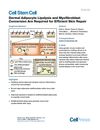
June 2020 in “Cell Stem Cell”
124 citations
,
June 2020 in “Cell Stem Cell” This study found that in mice, dermal adipocytes initiate inflammation and aid repair after skin injury by releasing lipids, suggesting a role in managing inflammatory diseases and impaired wound healing.
 46 citations
,
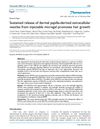
January 2020 in “Theranostics”
46 citations
,
January 2020 in “Theranostics” This study demonstrated that OSA hydrogels enhanced the stability and retention of dermal papilla-derived extracellular vesicles, which significantly improved hair regeneration in both cultured human hair and a mouse depilation model.
 163 citations
,
April 2019 in “Nature Communications”
163 citations
,
April 2019 in “Nature Communications” This study found that mechanical skin stretching can stimulate hair stem cell proliferation and hair regeneration by activating a complex pathway involving WNT, BMP-2, and M2 macrophages.
 53 citations
,
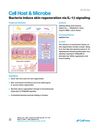
April 2021 in “Cell Host & Microbe”
53 citations
,
April 2021 in “Cell Host & Microbe” This study found that skin microbiota, particularly in wild-type mice, promotes wound-induced hair follicle neogenesis and wound healing, highlighting the potential downsides of routine antibiotic use on skin regeneration.
 53 citations
,
January 2011 in “Diabetes”
53 citations
,
January 2011 in “Diabetes” The study found that severe insulin resistance and premature diabetes are common in patients with PCNT genetic defects, primarily affecting those over four years old, while not impacting early insulin signaling in adipocytes.
 7 citations
,
January 2012
7 citations
,
January 2012 This study reported that in the California Ground Squirrel, certain elements bioaccumulate in hair, providing baseline data for environmental health assessments.
 1 citations
,
March 2019 in “Journal of AOAC INTERNATIONAL”
1 citations
,
March 2019 in “Journal of AOAC INTERNATIONAL” New method quickly and accurately measures dexpanthenol in hair products.
 March 2024 in “Research Square (Research Square)”
 In this study, researchers discovered that the MafB gene, which is important for macrophage differentiation, shows high expression in the pancreas and is influenced by sex steroids, with varied expression patterns in hamster tissues and during reproductive phases.
 November 2022 in “Research Square (Research Square)”
 This meta-analysis suggests a significant association between the use of facial sunscreen and moisturizer and frontal fibrosing alopecia, while finding no significant relationship with hair products or treatments.
 57 citations
,
September 2005 in “International Journal of Dermatology”
57 citations
,
September 2005 in “International Journal of Dermatology” This study reported that chemical relaxants and hair styling practices were associated with scarring hair loss, particularly among women with central centrifugal cicatricial alopecias.
 31 citations
,
June 2015 in “British Journal of Dermatology”
31 citations
,
June 2015 in “British Journal of Dermatology” Hormonal treatments are effective as a second-line option for moderate-to-severe acne in females, but should be used with caution due to health risks.
 11 citations
,
December 2010 in “The Journal of Urology”
11 citations
,
December 2010 in “The Journal of Urology” This study found that combining oral testosterone with dutasteride increased testosterone bioavailability in hypogonadal men while suppressing dihydrotestosterone levels over a 28-day period.
 10 citations
,
January 2009 in “Elsevier eBooks”
10 citations
,
January 2009 in “Elsevier eBooks” This review discusses the structure, functions, and growth cycle of human hair, emphasizing its reduced growth and protective roles, and reports no new research findings.
 2 citations
,
November 2011 in “InTech eBooks”
2 citations
,
November 2011 in “InTech eBooks” This article reviews the types and characteristics of adrenal cortex tumors, including their hormone secretion and detection as incidental findings, but presents no new research results.
 August 2025 in “International Journal of Applied Pharmaceutics”
 This study developed a stable nanoemulsion-based hair serum containing M. oleifera seed oil, which maintained its physical characteristics and reduced the oil's sticky texture, making it more suitable for hair loss treatment compared to traditional formulations.