71 citations
,
February 1992 in “Journal of Cutaneous Pathology” This study found that monoclonal antibodies identified distinct staining patterns in benign and malignant skin appendage tumors, highlighting their potential as markers for analyzing skin tumors.
 15 citations
,
January 2020 in “ACS Applied Materials & Interfaces”
15 citations
,
January 2020 in “ACS Applied Materials & Interfaces” This study reported that a novel chitosan/polyvinyl alcohol nanofiber sponge effectively enhances the hair follicle-inducing ability of dermal papilla multicellular spheroids in a mouse model.
 73 citations
,
July 1956 in “Journal of Investigative Dermatology”
73 citations
,
July 1956 in “Journal of Investigative Dermatology” This paper provides evidence supporting the formation of new hair follicles in adult humans, building on findings previously demonstrated in rabbits.
 6 citations
,
September 2024 in “Frontiers in Physiology”
6 citations
,
September 2024 in “Frontiers in Physiology” This study found that overexpression of R-spondin 3 in a mice model impaired hair morphogenesis and regeneration by reducing hair matrix progenitor cell proliferation, thus disrupting the Wnt pathway's regulation of stem cells.
 170 citations
,
July 2012 in “Journal of Investigative Dermatology”
170 citations
,
July 2012 in “Journal of Investigative Dermatology” In this study, researchers showed that Wnt ligands secreted by hair follicle epithelium are crucial for hair follicle regeneration and may be significant for treating hair disorders like alopecia.
 6 citations
,
January 2016 in “Methods in molecular biology”
6 citations
,
January 2016 in “Methods in molecular biology” This protocol describes a method for regenerating hair follicles using a bioengineering technique called the Organ Germ Method, but it reports no new clinical results.
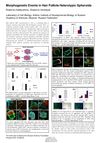
This study found that hyaluronic acid increased the size of hair follicle germ-like aggregates and the number of proliferative cells but did not maintain specific markers during the process.
 December 2016 in “Paleontological Journal”
 This study developed an in vitro artificial hair germ model using dermal papilla cells and skin keratinocytes to explore early stages of hair follicle regeneration.
43 citations
,
April 2010 in “Developmental Biology” In this study, researchers observed that the sebaceous gland niche in mice allows for Wnt-induced hair follicle differentiation, unlike the non-permissive bulge.
 1 citations
,
March 2022 in “Journal of Dermatological Science”
1 citations
,
March 2022 in “Journal of Dermatological Science” This study concluded that overexpressing TERT and BMI1 in cultured human dermal papilla cells extended their lifespan and enhanced their ability to induce hair growth in mice.
February 2019 in “International Journal of Dermatology and Clinical Research” In this study, Nε-(carboxymethyl) lysine was found to weaken hair follicle morphogenesis and inhibit essential cell activities in a model simulating accumulated glycation.
 January 2017 in “Springer eBooks”
 This review discusses recent advancements in hair follicle regeneration technologies, including the authors' own development of functional hair regeneration through bioengineered follicle germ transplantation, but reports no new clinical results.
 417 citations
,
September 2005 in “PLoS biology”
417 citations
,
September 2005 in “PLoS biology” This study developed molecular signatures for dermal papilla cells and their niche, uncovering novel signaling regulators and genes linked to hair disorders, which may inform future hair development research.
 135 citations
,
December 2013 in “Seminars in Cell & Developmental Biology”
135 citations
,
December 2013 in “Seminars in Cell & Developmental Biology” This review examines the literature on the molecular and cellular makeup of the hair follicle niche and how it influences stem cell behavior during hair regeneration, but does not provide new experimental results.
 82 citations
,
May 2009 in “Development”
82 citations
,
May 2009 in “Development” This study found that downregulation of EGF and KGF signaling is necessary for hair follicle initiation in placodes, revealing a new role for KGF in hair follicle formation in mice.
 43 citations
,
August 2008 in “Regenerative Medicine”
43 citations
,
August 2008 in “Regenerative Medicine” In this study, murine follicular cell aggregates developed into hair-like structures in culture, which upon implantation into mice skin matured into complete hair follicles, suggesting potential for treating hair loss.
 27 citations
,
March 2018 in “Biomaterials”
27 citations
,
March 2018 in “Biomaterials” This study found that a cocktail of three proteins from embryonic skin can enable adult fibroblasts to regenerate hair follicles by altering gene expression and activating regenerative signaling pathways.
 22 citations
,
October 2018 in “Aesthetic Plastic Surgery”
22 citations
,
October 2018 in “Aesthetic Plastic Surgery” This review discusses the latest understanding of androgenetic alopecia, including stem cell niches in hair follicles, and highlights emerging treatments like growth factors and platelet-rich plasma without new clinical findings.
 December 2022 in “bioRxiv (Cold Spring Harbor Laboratory)”
 This study found that inducing miR-205 reduces actin contractility and stiffness in hair follicle stem cells and progenitors, stimulating hair regeneration in both young and old mice.
 August 2009 in “Mechanisms of Development”
 Adult hair follicle cells can create new hair follicles from corneal cells with the right support.
 23 citations
,
January 2021 in “Scientific Reports”
23 citations
,
January 2021 in “Scientific Reports” In this study, hair follicle germs containing vascular endothelial cells showed improved hair regeneration and morphogenesis-related gene expression in mice, suggesting a promising strategy for hair regenerative medicine.
 145 citations
,
November 2018 in “Nature Communications”
145 citations
,
November 2018 in “Nature Communications” This study found that activating the Sonic hedgehog pathway in scarring wounds can remodel the dermis to promote hair follicle regeneration, highlighting a potential new approach to enhance healing.
 1 citations
,
September 2011 in “UHOD : Uluslararası hematoloji - onkoloji dergisi”
1 citations
,
September 2011 in “UHOD : Uluslararası hematoloji - onkoloji dergisi” This study found no significant differences in age, sex, or histopathological characteristics for differentiating basal cell carcinoma from benign tumors of cutaneous appendages, complicating diagnosis.
 131 citations
,
July 2009 in “Experimental Dermatology”
131 citations
,
July 2009 in “Experimental Dermatology” This review discusses the development and advances in studying trichogenic dermal cells for hair follicle morphogenesis, summarizing methods, bioassays, and molecular markers, but reports no new research findings.
 81 citations
,
April 2009 in “Journal of Investigative Dermatology”
81 citations
,
April 2009 in “Journal of Investigative Dermatology” This review discusses the shedding phase of the hair cycle, known as exogen, and reports no new findings while analyzing related processes like club fiber formation and release.
 61 citations
,
December 2016 in “The EMBO Journal”
61 citations
,
December 2016 in “The EMBO Journal” This study established a new in vitro culture system that supports the growth and dynamic self-organization of hair follicle stem cells and their progeny, promoting a stable population equilibrium.
85 citations
,
June 2017 in “Journal of Investigative Dermatology” This study found that Blimp1 plays a key role in promoting hair follicle morphogenesis and growth by mediating inductive signaling pathways in dermal papilla cells.
 23 citations
,
March 2010 in “Medical hypotheses”
23 citations
,
March 2010 in “Medical hypotheses” This review explores potential new roles for Merkel cells, including involvement in magnetoreception, fingerprint formation, and transmitting environmental information, but reports no experimental results.
132 citations
,
August 2008 in “Development” This research found that Dlx3 plays a central role in hair formation and regeneration, with its absence leading to alopecia through disrupted differentiation and signaling pathways.

This study identified a proliferative intermediate transcriptional state associated with the transition from secondary hair germ cells to lower hair follicle-associated cells during early hair follicle regeneration in mice.