1 citations
,
August 2021 in “Journal of Investigative Dermatology” ASLAN004 was safe and well-tolerated, supporting further development for treating certain diseases.
September 2025 in “Stem Cell Research & Therapy” This study found that TAZ promotes adipogenesis in goat adipose-derived mesenchymal stem cells by enhancing PI3K/AKT pathway activity, with overexpression boosting adipocyte formation and knockdown inhibiting it.
 13 citations
,
March 2023 in “Cureus”
13 citations
,
March 2023 in “Cureus” This review identifies significant variability in insurance coverage for gender-affirming surgeries in the US, affecting equitable access to care for transgender individuals and suggesting a need for health policy reforms.
January 2023 in “Medicines” This study reported that using micronized-gingival connective tissues appeared safe and showed initial efficacy for reconstructing peri-implant soft tissues, suggesting potential as an alternative to traditional grafting methods.
22 citations
,
May 2011 in “European Journal of Cancer” This phase I study determined that a combination of oral SU-014813 and docetaxel is a feasible treatment with a manageable safety profile and potential anti-tumor activity, particularly noted in melanoma and GIST patients.
September 2023 in “Repository of the University of Primorsk (University of Primorska)” This review discusses the side effects of gender-affirming hormone therapy and reports no clinical results; it highlights the potential to reduce adverse effect risk factors with healthy eating guidelines.
5 citations
,
November 2021 in “World Family Medicine Journal /Middle East Journal of Family Medicine” In this study, it was found that higher test anxiety negatively correlated with lower OSCE performance among medical students at Taif Medical College, with female students experiencing a greater impact than males.
December 2021 in “Biomarkers” This study found that men with early-onset male pattern alopecia did not significantly differ from healthy individuals in cardiovascular and metabolic measures, but hsCRP and galectin-3 were linked to cardiovascular risk factors in those with the condition.
September 2017 in “The journal of investigative dermatology/Journal of investigative dermatology” The researchers reported that TGM2 appears to play a crucial role in sebocyte differentiation and may act as a negative regulator of lipid metabolism in sebaceous glands.
April 2019 in “Journal of the Endocrine Society” This study found that in male mouse pancreatic islet β cells, testosterone enhances glucose-stimulated insulin secretion by being locally converted into dihydrotestosterone and estradiol.

This study found that pectin lyase-modified red ginseng extract (GS-E3D) may promote hair growth by enhancing antioxidant and anti-inflammatory effects, proliferating hair dermal papilla cells, and inhibiting 5α-reductase activity.
2 citations
,
October 2024 in “Indian Journal of Orthopaedics” July 2022 in “DOAJ (DOAJ: Directory of Open Access Journals)” This article reviews various aspects of androgenetic alopecia, from its historical perceptions to current understanding and treatments, without providing new clinical results.
 December 2025 in “Obesity Surgery”
 In this study, researchers found that patients undergoing one-anastomosis gastric bypass experienced a greater incidence of low serum zinc levels and related symptoms, such as hair loss and delayed wound healing, compared to those undergoing sleeve gastrectomy.
 August 2024 in “Journal of Cosmetic Dermatology”
 This study reported significant improvements in hair density and growth ratio in androgenetic alopecia patients receiving concentrated growth factor injections, with benefits sustained for 6 months.
In this study, a newly designed protein degrader targeting androgen receptors showed promise in reversing hair regrowth inhibition in a mouse model of androgenetic alopecia, suggesting potential as a novel and safe treatment strategy.
 2 citations
,
January 2025 in “Pharmaceutical Research”
2 citations
,
January 2025 in “Pharmaceutical Research” This article reviews the possible therapeutic activities of Angelica gigas Nakai root extracts and their components, noting their potential effects on neuro-cognitive, metabolic, and other health conditions, and reports no new clinical results.
 77 citations
,
February 2017 in “Stem Cell Reports”
77 citations
,
February 2017 in “Stem Cell Reports” This study found that activation of Wnt/β-catenin signaling in mouse testes promotes spermatogonial differentiation and reduces the stem cell pool, with SHISA6 inhibiting this process and maintaining stem cell characteristics.
110 citations
,
January 1995 in “European Journal of Neuroscience” This study found that glycinergic synapses in the rat spinal cord are predominantly associated with gephyrin, though gephyrin may also be present at non-glycinergic synapses.
89 citations
,
October 2003 in “Biology of the Cell” This study found that labeled galectin-1 binds to specific nuclear sites in human bone marrow stromal cells and keratinocytes, suggesting a role in nuclear function, although only in a small fraction of cells.
1 citations
,
June 2022 in “Journal of Cosmetic Dermatology” This study in a Korean population identified two novel genetic variants that may increase the risk of androgenetic alopecia, contributing to understanding its genetic basis in non-European populations.
October 2024 in “International Journal of Biological Macromolecules” This review discusses recent advances in extracting, purifying, and analyzing polysaccharides from Ginkgo biloba leaves, which are valued in traditional Chinese medicine for their diverse biological activities, including antioxidant and hair-growth promoting effects, aiming to inform future development and commercialization.
5 citations
,
April 2024 in “Molecular Biology Reports” August 2026 in “The Laryngoscope” This study found that adults with type 2 diabetes or obesity using semaglutide and tirzepatide experienced higher odds of nonscarring alopecia, such as telogen effluvium, compared to those using other GLP-1 receptor agonists, with hair loss potentially linked to physiologic stress from weight loss.
13 citations
,
November 2017 in “Neurotoxicity research/Neurotoxicity resarch” This study found that sodium metabisulfite activates sodium channels and increases cellular excitability and excitotoxicity in both cardiomyocyte and neuron models, which exacerbates seizures and neuronal damage in rats.
 13 citations
,
July 1996 in “Annals of Internal Medicine”
13 citations
,
July 1996 in “Annals of Internal Medicine” This article reports the first case of group B streptococcal meningitis in an HIV-positive patient who had previously undergone a splenectomy.
 December 2021 in “Research Square (Research Square)”
 In this study, high expression of S100A4 in glioblastoma was associated with worse patient survival and promoted tumor progression by enhancing pro-tumorigenic vascular functions.
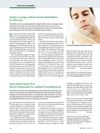
Early balding may be a sign of future prostate problems.
January 2025 in “Journal of Ethnopharmacology” This study found that external application of DGD activates the Wnt/β-catenin signaling pathway, promoting hair follicle anagen phase entry, and is a more effective and safer treatment for androgenetic alopecia in mice compared to oral administration.
32 citations
,
May 2022 in “Frontiers in Pharmacology” This study proposes an AI-based method, DRGCC, using GraphSAGE and clustering constraints to predict associations between drugs and diseases, demonstrating reliable predictive performance that may aid drug repositioning efforts, including exploring drugs for COVID-19 treatment.