In this review, researchers evaluated 111 studies on the biological activities and phytochemical components of the plant Tridax procumbens, emphasizing its ethnobotanical potential and the need for more research to understand its therapeutic benefits, especially in its native tropical regions.
 August 2023 in “International journal of research in Ayurveda and pharmacy”
 This review discusses the potential role of Garudan kizhangu ennai, a polyherbal Siddha formulation, in managing alopecia areata and highlights its various pharmacological properties, although further clinical studies are needed to confirm its efficacy.
This article reviews various topics including medically important plants in dermatology, supporting medicinal herbs for primary dysmenorrhea, and several drug delivery systems, without providing new clinical findings.
 January 2023 in “Journal of pharmacognosy and phytochemistry”
 This discussion concluded that many herbal home remedies are effective for treating alopecia and other hair conditions without causing adverse reactions, as opposed to allopathic medicines that often have undesirable side effects.
 2 citations
,
January 2017 in “Clinical and medical investigations”
2 citations
,
January 2017 in “Clinical and medical investigations” This research reports that herb lotions for alopecia areata, particularly those containing salvia miltiorrhiza radix, were effective in promoting hair regrowth in 64.8% of severe cases, akin to DNCB and SADBE.
 45 citations
,
January 2020 in “International Journal of Molecular Sciences”
45 citations
,
January 2020 in “International Journal of Molecular Sciences” This review discusses the potential of plant polyphenols to overcome multidrug resistance in various solid cancers and reports no new experimental results; further research is suggested.
 39 citations
,
April 2020 in “Clinical, Cosmetic and Investigational Dermatology”
39 citations
,
April 2020 in “Clinical, Cosmetic and Investigational Dermatology” This review discusses the unique characteristics and disorders of Asian hair, emphasizing the need for more comprehensive studies in this area.
 30 citations
,
October 2015 in “Journal of Ethnopharmacology”
30 citations
,
October 2015 in “Journal of Ethnopharmacology” This study identified several compounds from traditional Chinese medicines that may inhibit prostaglandin D2 synthase, potentially providing promising candidates for treating androgenic alopecia with minimal adverse skin reactions.
 16 citations
,
September 2018 in “Journal of Ethnopharmacology”
16 citations
,
September 2018 in “Journal of Ethnopharmacology” This review discusses the role of inheritance, androgens, and microinflammation in androgenetic alopecia and suggests some plant-based folk remedies may help address these factors but reports no new clinical results.
 15 citations
,
January 2019 in “International Journal of Women's Dermatology”
15 citations
,
January 2019 in “International Journal of Women's Dermatology” This review discusses clinical presentations and interventions for alopecia in women of color, highlighting the importance of early recognition and treatment but providing no new clinical results.
 13 citations
,
January 2017 in “Molecules”
13 citations
,
January 2017 in “Molecules” This study reported that compounds isolated from Alpinia zerumbet significantly promoted hair cell growth and exhibited anticancer activity in cell cultures, suggesting potential as treatments for alopecia and cancer.
 3 citations
,
June 2004 in “Alternative and Complementary Therapies”
3 citations
,
June 2004 in “Alternative and Complementary Therapies” This article reviews the history, biology, genetics, prevention, conventional treatments, and herbal alternatives for hair loss, but reports no new research findings.
 2 citations
,
March 2021 in “Carpathian Journal of Food Science and Technology”
2 citations
,
March 2021 in “Carpathian Journal of Food Science and Technology” This review discusses the medicinal and health benefits of caraway, Chinese chives, and cassia, focusing on their antibacterial, antioxidant, antimicrobial, anti-inflammatory, and anticancer properties due to their range of secondary metabolites.
 1 citations
,
October 2025 in “Nano Research”
1 citations
,
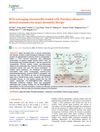
October 2025 in “Nano Research” In this study, researchers developed a dissolvable microneedle patch combining HA-TEMPO and Portulaca oleracea L.-derived nanoparticles, which effectively reduced oxidative stress and inflammation in an atopic dermatitis model while restoring immune balance, suggesting a promising treatment strategy.
 1 citations
,
August 2023 in “Frontiers in immunology”
1 citations
,
August 2023 in “Frontiers in immunology” This review highlights the potential of TCM medicinal foods for managing post-COVID disorders and suggests they could provide a safe and efficient long-term therapy due to their milder nature.
 1 citations
,
December 2022 in “Türk tarım - gıda bilim ve teknoloji dergisi”
1 citations
,
December 2022 in “Türk tarım - gıda bilim ve teknoloji dergisi” This review discusses the diversification of tea products and their associated health benefits, highlighting the economic challenges faced by tea-producing countries and the global marketing strategies of the tea industry, but reports no new experimental findings.
 1 citations
,
October 2025 in “International Journal of Nanomedicine”
1 citations
,
October 2025 in “International Journal of Nanomedicine” This review explores the potential for using exosomes in treating autoimmune skin diseases and promoting skin regeneration, highlighting current applications, delivery methods, and ongoing clinical trials while also identifying challenges and future research directions within dermatology.
 1 citations
,
July 2019 in “British Journal of Dermatology”
1 citations
,
July 2019 in “British Journal of Dermatology” This study found that 15% minoxidil topical solution was more effective than low-level laser therapy in improving hair regrowth and patient satisfaction in individuals with androgenetic alopecia.
 June 2026 in “Discover Nano”
 This review discusses current treatment strategies for alopecia and highlights the potential of lipid-based nanoparticles to improve drug delivery to the scalp and hair follicles, noting their ability to enhance skin penetration and drug stability while outlining associated challenges and the need for further research.
 January 2026 in “MEDS Clinical Medicine”
 This review discusses the combined use of plum-blossom and Daoma needle therapy for androgenic alopecia, emphasizing its potential benefits and the need for further clinical research, but reports no new results.

This chapter explores the potential of phytochemicals in modulating human endocrine function, emphasizing the growing interest in plant-derived alternatives to synthetic medications for managing metabolic and hormonal disorders often linked to chemical exposures and lifestyle factors.
 November 2025 in “Frontiers in Endocrinology”
 This review examines the potential of apigenin and ellagic acid as adjunct or alternative treatments for PCOS, but reports no new clinical results and highlights the need for further trials to confirm their efficacy and optimize dosing and delivery.

This research highlights selenium's critical roles in various biological processes and underscores the potential health impacts of both its deficiency and excess, including increased mortality risk, poor immune function, and neurological issues.
 August 2025 in “Frontiers in Pharmacology”
 This study identified three Ayurvedic compounds that may serve as potential treatments against the macrolide-resistant enzyme murE of *Tropheryma whipplei*, addressing challenges in treating Whipple disease.
 August 2025 in “International Journal of Advanced Research in Science Communication and Technology”
 In this study, researchers aimed to develop a herbal shampoo by replacing harmful synthetic ingredients with natural alternatives to improve safety and effectiveness, targeting issues like hair loss and scalp irritation often associated with traditional shampoos.
 July 2025 in “Journal of Pharmacognosy and Phytochemistry”
 This review explores the potential benefits of plant-based diets, herbal remedies, and phytochemicals for managing PCOS, suggesting they may help regulate menstrual cycles, improve metabolic parameters, and reduce androgen levels, offering a promising, holistic approach to treatment.
 July 2025 in “International Journal of Pharmacy and Pharmaceutical Science”
 This review highlights the potential of herbal remedies as complementary options for breast cancer care, noting benefits like immune modulation and reduced chemotherapy side effects, in contrast to conventional treatments that often cause significant side effects and long-term health issues.
 June 2025 in “Basrah Researches Sciences”
 This article discusses how medicinal plants, known for their antiviral, immunomodulatory, antioxidant, and anti-inflammatory properties, may help alleviate long-term COVID-19 effects, but emphasizes the need for further clinical trials to confirm safety and efficacy.
 July 2024 in “Annals of Phytomedicine An International Journal”
 In this study, the authors reviewed various herbal ingredients used in hair care products and found that components like aloe vera, hibiscus, amla, and fenugreek have traditional and scientifically validated benefits for addressing hair issues such as hair loss, dandruff, and damage.
 December 2023 in “Migration letters”
 This meta-analysis reviewed 25 studies and suggested that herbal interventions could improve reproductive health in women with PCOS, showing benefits across measures such as Body Mass Index, hirsutism, and insulin levels, although results were mixed for fasting glucose and FSH levels.