 19 citations
,
September 2017 in “The Journal of urology/The journal of urology”
19 citations
,
September 2017 in “The Journal of urology/The journal of urology” In this study, the researchers found that worse sleep scores were associated with progression of lower urinary tract symptoms and suggestively linked to their development in asymptomatic men.
 April 2026 in “Clinical Cosmetic and Investigational Dermatology”
 In this retrospective study, the researchers found that infectious dermatologic conditions were most common among renal transplant recipients, with viral warts being the prevalent infectious condition, while increasing age and sex were associated with varying odds of developing different dermatologic issues.
 June 2008 in “The Journal of Urology”
 This letter to the editor discusses the relationship between lower urinary tract symptoms and erectile dysfunction as reported in a previous study, but presents no new findings.
3 citations
,
April 2013 in “The Journal of Urology” This article highlights various research studies in adult urology from the July 2013 issue of the Journal of Urology but does not report new research findings itself.
52 citations
,
January 2005 in “PubMed” This study concluded that alpha(1)-adrenoceptor antagonists are more effective than finasteride in the short term for reducing symptoms of lower urinary tract symptoms associated with benign prostatic hyperplasia.
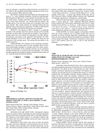 March 2010 in “The Journal of Urology”
 This study found that men with early-onset androgenetic alopecia had larger prostate volumes and lower urinary flow rates compared to those without the condition, suggesting a potential link between AGA and urinary symptoms.
5 citations
,
July 2008 in “The Journal of Urology” This editorial examines the use of multiple drugs for treating lower urinary tract symptoms due to benign prostatic hyperplasia but offers no new research findings.
 November 2013 in “John Wiley & Sons, Ltd eBooks”
 The document concludes that accurate diagnosis of male and female gonadal disorders is crucial for effective treatment and better patient outcomes.
17 citations
,
January 1998 in “Neurourology and Urodynamics” This report describes a case of adrenomyeloneuropathy where neurogenic bladder dysfunction developed, attributed to demyelinating lesions in the patient's peripheral nerves, spinal cord, and cerebral white matter.
 8 citations
,
September 1997 in “Postgraduate medicine”
8 citations
,
September 1997 in “Postgraduate medicine” This article describes various acute and chronic vulvar disorders post-menopause and summarizes identification and treatment strategies, but reports no new clinical findings.
83 citations
,
August 2018 in “BJOG” This commentary discusses the feasibility and challenges of uterine transplantation for transgender women, emphasizing anatomical, hormonal, and ethical considerations without reporting new clinical results.
 December 2025 in “International Journal of Innovative Technologies in Social Science”
 This study systematically reviewed dermatological conditions affecting transgender and gender-diverse individuals, highlighting that testosterone therapy can induce acne in 25–88% of transgender men and alopecia after over two years, while dermatologic care must consider both medical and social complexities.
2 citations
,
January 1998 in “Neurourology and Urodynamics” This report describes a case of adrenomyeloneuropathy where serial urodynamic studies revealed neurogenic bladder dysfunction linked to demyelinating lesions in the patient.
 October 2023 in “The Journal of urology/The journal of urology”
 This study reported no association between higher serum testosterone or dihydrotestosterone levels and the incidence or progression of lower urinary tract symptoms in asymptomatic or symptomatic men in the REDUCE trial, challenging the belief that elevated androgens contribute to these symptoms.
 January 2026 in “In Vivo”
 This study found that hidradenitis suppurativa is associated with an elevated risk of developing urolithiasis, suggesting shared inflammatory pathways and the need for vigilant kidney monitoring in affected individuals.
January 2011 in “InTech eBooks” This article reviews the development, classification, and embryology of hypospadias and reports no new findings; the authors highlight its unknown cause and discuss associated anatomical anomalies.
 14 citations
,
January 2001 in “Primary Care Update for Ob/gyns”
14 citations
,
January 2001 in “Primary Care Update for Ob/gyns” This review discusses the challenges in addressing female sexual dysfunction, focusing on the complexities of female sexual response, levels of dysfunction, clinical identification, and existing treatments, but presents no new clinical findings.
This research highlights the shift from surgical to pharmacologic and less invasive treatments for benign prostatic hyperplasia, noting finasteride's effectiveness in men with enlarged prostates and its ability to reduce acute urinary retention risk compared to alpha-blockers.
 38 citations
,
October 1996 in “Dermatologic Clinics”
38 citations
,
October 1996 in “Dermatologic Clinics” This review discusses inflammatory and medication-related skin conditions associated with kidney disease and emphasizes the importance of timely referral to nephrology, reporting no new clinical results.
 September 2024 in “LUTS Lower Urinary Tract Symptoms”
 This study found that among patients over 45 with lower urinary tract symptoms due to benign prostatic hyperplasia, those with androgenic alopecia had worse symptoms and higher testosterone levels than those without baldness.
 March 2025 in “MAEDICA – a Journal of Clinical Medicine”
 This review explores the potential impact of SARS-CoV-2 on benign prostatic hyperplasia and related lower urinary tract symptoms but reports no new clinical results, emphasizing the need for further studies to quantify these changes.
November 2024 in “Scientific Reports” In this study, researchers at a tertiary cancer center observed that many male germ cell tumor survivors experienced degrees of hypogonadism and erectile dysfunction, highlighting the clinical need to monitor endocrine health in cancer survivors.
April 2022 in “The Journal of Urology” In this study, men with persistent sexual dysfunction after stopping finasteride showed significant vascular, neurologic, and hormonal abnormalities, with severe erectile dysfunction being common.
 11 citations
,
August 2014 in “Current Urology Reports”
11 citations
,
August 2014 in “Current Urology Reports” This review discusses the known effects of medications for benign prostatic hyperplasia on sexual function and mechanisms of dysfunction but reports no new clinical results.
In this study, xerosis and pruritus were common skin issues in pediatric chronic kidney disease patients, with xerosis linked to lower hemodialysis efficacy and higher white blood cells, and pruritis associated with higher hemoglobin levels.
November 2011 in “Nature Clinical Practice Urology” This article reviews the use of 5alpha-reductase inhibitors for managing benign prostatic hyperplasia and reports no new clinical results.
August 2025 in “Seminars in Nephrology” Regenerative repair is essential to prevent long-term kidney function issues after obstruction.
 5 citations
,
February 2022 in “Supportive Care in Cancer”
5 citations
,
February 2022 in “Supportive Care in Cancer” This study found that age is the most significant risk factor for hemorrhagic cystitis after hematopoietic stem-cell transplantation, with additional risk factors including cyclophosphamide-based prophylaxis and, among male recipients, prostatic hyperplasia.
December 2008 in “The Journal of Urology” This paper discusses socioeconomic factors affecting urological epidemiology and practice patterns but reports no new research findings.
111 citations
,
May 2001 in “Human reproduction update” This review discusses the role of genetic mutations and environmental endocrine disruptors in insufficient androgen action, which can result in conditions like hypospadias, cryptorchidism, and micropenis, during male fetal development.