Search
for
Sort by
Research
540-570 / 1000+ resultsresearch Trichotillomania Incognita in an Adult Female: A Great Mimicker Worth Attention!
This study reports a unique case of trichotillomania incognita in an adult female that mimicked female pattern hair loss, highlighting the importance of trichoscopy and histology for accurate diagnosis.

research 1419 Pre-clinical in-vitro assays for high throughput screening of drug candidates for protection and restoration of immune privilege in alopecia areata
This research developed new in vitro models for high-throughput screening of drugs that could protect or restore immune privilege in hair follicles, finding that Tofacitinib was effective in preventing inflammation-related marker upregulation, while Tacrolimus and αMSH worked specifically in outer root sheath keratinocytes.
research Frontal Fibrosing Alopecia: Role of Dermoscopy in Differential Diagnosis
This article presents a case study of a 50-year-old woman with frontal fibrosing alopecia and discusses the role of dermoscopy in differentiating it from other types of alopecia, reporting no new clinical results.
research Successful treatment of resistant alopecia totalis with tofacitinib
This study reports that a 21-year-old male with alopecia totalis responded positively to the JAK inhibitor tofacitinib, achieving complete hair regrowth after six months of treatment without significant side effects, though further research is needed to evaluate long-term efficacy.

research Frontal fibrosing alopecia treatment options
In this clinical experience, treating frontal fibrosing alopecia with oral finasteride, hydroxychloroquine, tacrolimus, and excimer laser was associated with optimal results in patients with active inflammation.
research The effect of Finasteride in Tourette Syndrome: results of clinical trial
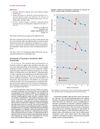
research Treatment of Tourette’s Syndrome With Finasteride
This study examined finasteride, a 5-alpha-reductase inhibitor, for treating a Tourette’s syndrome patient unresponsive to traditional therapy, noting its limited side effects.

research The efficacy and safety of tofacitinib in patients with alopecia totalis
Tofacitinib is a potential alternative treatment for alopecia totalis, especially in patients with a shorter duration of the condition and more preserved hair follicles, but the overall response rate is low.
research Determination of topically applied finasteride penetrated into hair follicles by using the differential stripping technique
research Flightless I exacerbation of inflammatory responses contributes to increased colonic damage in a mouse model of dextran sulphate sodium-induced ulcerative colitis
In this study, high levels of the protein Flii in mice were associated with worsened symptoms and inflammation in ulcerative colitis, suggesting Flii may inhibit mucosal healing.

research Familial frontal fibrosing alopecia: A cross‐sectional study of 20 cases from nine families
This study adds evidence suggesting a genetic component to frontal fibrosing alopecia, with daughters experiencing an earlier onset than their mothers, although the clinical pattern remains similar to non-familial cases.
research Folliculin encoded by the BHD gene interacts with a binding protein, FNIP1, and AMPK, and is involved in AMPK and mTOR signaling
This study suggests that folliculin, mutated in Birt–Hogg–Dubé syndrome, and its partner FNIP1 may play a role in energy and nutrient sensing through the AMPK and mTOR pathways.
research IRF2BP2 genes provide new insights into coat type and fiber composition variation in sheep
This study found that specific genetic variations in the IRF2BP2 gene influence fleece structure in sheep, with one variant completely determining coat type and another significantly modifying fiber characteristics, providing valuable insights for improving fleece quality through selective breeding.

research FLCN regulates transferrin receptor 1 transport and iron homeostasis
This study found that loss of the folliculin protein delays transferrin receptor recycling, leading to iron deficiency and suggesting a role in the mechanisms of Birt-Hogg-Dubé syndrome.
research Postcast hypertrichosis in a patient with frontal fibrosing alopecia
This letter to the editor describes a case of postcast hypertrichosis in a patient with frontal fibrosing alopecia and reports no new research findings.
research Validation and casework testing of the BioPlex-11 for STR typing of telogen hair roots
This study developed a new STR typing strategy for forensic casework, enabling the simultaneous analysis of 11 polymorphic systems, particularly useful for limited or degraded DNA samples such as telogen hair roots.
research Treatment of Frontal Fibrosing Alopecia
This review found that intralesional corticosteroid injections and 5-alpha-reductase inhibitors were reported as the most effective treatments for frontal fibrosing alopecia, with oral isotretinoin showing promise for facial papule improvement.
research Frontal fibrosing alopecia in Asians: a retrospective clinical study
This study examined 56 Thai patients with frontal fibrosing alopecia, finding frontotemporal hairline recession and eyebrow loss were common, and reported better disease stabilization with combination treatments of topical corticosteroids with hydroxychloroquine or finasteride.

research Clinicopathological Features of Frontal Fibrosing Alopecia (FFA) in 26 females: A Retrospective Study
This study described the clinicopathological features of patients with frontal fibrosing alopecia who underwent skin biopsies.

research Tofacitinib in alopecia areata and HIV: A curious intersection of immunomodulation, hair regrowth, and hypertrichosis
In this case report, a patient with HIV developed hirsutism after starting tofacitinib for alopecia areata, which resolved upon medication discontinuation and laser hair removal.
research 42577 Application of the new clinical guidelines in frontal fibrosing alopecia of the male
This study examined the application of new clinical guidelines for diagnosing frontal fibrosing alopecia in 18 men, highlighting that current diagnostic criteria may often overlook early beard involvement and sideburn recession.

research UTILIZAÇÃO DE ISOTRETINOÍNA ORAL NO TRATAMENTO DA ALOPECIA FIBROSANTE FRONTAL: SÉRIE DE CASOS
This study reported that oral isotretinoin effectively stabilized frontal fibrosing alopecia in patients, which may help guide healthcare providers in managing this condition related to hair loss and self-esteem.

research The Feasibility and Utility of Hair Follicle Sampling To Measure FMRP and FMR1 mRNA in Children With or Without Fragile X Syndrome
This study found that repeatedly collecting hair follicles from individuals with fragile X syndrome is feasible for measuring FMR1 and FMRP levels in both home and office settings.

research Drug Survival and Long-term Outcome of Tofacitinib in Patients with Alopecia Areata: A Retrospective Study
This study involving 126 patients found that tofacitinib has high effectiveness and an acceptable safety profile for treating alopecia areata, with a 33.8% complete response rate at 24 weeks and sex as an independent risk factor for outcomes.

research Case series of familial frontal fibrosing alopecia and a review of the literature
This study reports that familial frontal fibrosing alopecia was diagnosed earlier in premenopausal women compared to postmenopausal women, though long-term outcomes remain uncertain without a definitive treatment.

research Frontal Fibrosing Alopecia: A Comprehensive Review with Recent Updates
This review discusses the various factors implicated in the etiology of frontal fibrosing alopecia and notes the need for effective treatments, reporting no new clinical findings.
research Free Testosterone: Pumping up the Tires or Ending the Free Ride?
This review discusses the free hormone hypothesis for measuring "free" testosterone and critiques its theoretical basis and clinical application, noting it lacks critical empirical testing and has inconsistent utility in assessing androgen status.

research Refractory alopecia universalis associated with dermatomyositis successfully treated with tofacitinib
In this study, a case of a patient with dermatomyositis and alopecia universalis showed successful treatment with tofacitinib, suggesting potential responsiveness to janus kinase inhibitors.
research Comparative safety profiles of baricitinib and tofacitinib in the treatment of adult alopecia areata: a pharmacovigilance study based on the FAERS database
This study observed distinct post-marketing safety signal patterns for baricitinib and tofacitinib in adult AA, influenced by their differing regulatory uses and real-world contexts, and emphasizes the need for future studies to validate these findings.