 1 citations
,
April 2021 in “Journal of The American Academy of Dermatology”
1 citations
,
April 2021 in “Journal of The American Academy of Dermatology” Some overweight or obese men with long-term frontal fibrosing alopecia may have abnormal sex hormone levels.
 3 citations
,
January 2011 in “Female pelvic medicine & reconstructive surgery”
3 citations
,
January 2011 in “Female pelvic medicine & reconstructive surgery” This review discusses the impact of hormones on female sexual function and dysfunction, highlighting the complexity and gaps in basic research, and reports no new clinical findings.
 July 2023 in “Zenodo (CERN European Organization for Nuclear Research)”
 In this study, the authors propose that drugs like trazodone and antipsychotics such as chlorpromazine, which can induce priapism, may help restore libido synaptic circuits, offering potential treatment for post-finasteride syndrome and post-SSRI sexual dysfunction.
14 citations
,
January 2014 in “Indian Journal of Dermatology Venereology and Leprology” Frontal fibrosing alopecia can affect men's beards and leads to permanent hair loss.
2 citations
,
January 2019 in “Skin appendage disorders” This article reports a case of frontal fibrosing alopecia in its early inflammatory stage that responded positively to intralesional steroid treatment.
 May 2015 in “Journal of the American Academy of Dermatology”
 Certain drugs and supplements may contribute to hair loss in the frontal hairline in older women.
April 2019 in “Journal of Investigative Dermatology” Targeting immune pathways like JAK/STAT may help treat frontal fibrosing alopecia.
 46 citations
,
May 2011 in “Movement Disorders”
46 citations
,
May 2011 in “Movement Disorders” This article contains additional supporting information available online but presents no new research findings.
3 citations
,
January 2025 in “Journal of the American Academy of Dermatology” Early diagnosis and a multidisciplinary approach are crucial for managing Frontal Fibrosing Alopecia.
7 citations
,
August 2019 in “American Journal of Dermatopathology” This study found that limb hair loss in frontal fibrosing alopecia is inflammatory and permanent, but lacks the classic scarring features seen in scalp alopecia, prompting potential misdiagnosis as alopecia areata.
 64 citations
,
June 2009 in “Journal of The American Academy of Dermatology”
64 citations
,
June 2009 in “Journal of The American Academy of Dermatology” This article discusses frontal fibrosing alopecia, noting potential connections to lichen planopilaris, but reports no new clinical findings.
 16 citations
,
January 2017 in “Anais brasileiros de dermatologia/Anais Brasileiros de Dermatologia”
16 citations
,
January 2017 in “Anais brasileiros de dermatologia/Anais Brasileiros de Dermatologia” This case study discusses a postmenopausal woman's frontal fibrosing alopecia and lichen planus pigmentosus, controlled with corticosteroids and finasteride, highlighting diagnostic and therapeutic challenges in scarring alopecia.
10 citations
,
August 2024 in “Neuroscience & Biobehavioral Reviews” This review discusses the role of neuro(active)steroids, particularly those in the 5α reductase pathway, in modulating dopamine signaling and their impact on neuropsychiatric disorders characterized by dopamine imbalances, including addiction, schizophrenia, and Parkinson's Disease.
 3 citations
,
April 2002 in “The American Journal of Medicine”
3 citations
,
April 2002 in “The American Journal of Medicine” The document concludes that early diagnosis of Balint's syndrome is crucial for effective treatment and that understanding drug interactions, like between ritonavir and statins, is important for patient care.
11 citations
,
October 2010 in “Behavioural Brain Research” This study found that neonatal administration of allopregnanolone enhances, while finasteride suppresses, the effects of adult intrahippocampal pregnenolone sulphate on rat locomotor activity in an open field test.
January 2011 in “McGraw-Hill eBooks” This study found that patients with seasonal affective disorder exhibited increased functional connectivity in multiple brain networks and higher low-frequency activity in certain brain regions compared to healthy controls.
 14 citations
,
October 2006 in “Journal of The American Academy of Dermatology”
14 citations
,
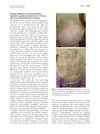
October 2006 in “Journal of The American Academy of Dermatology” This report highlights a case where a woman's use of the dopamine agonist pramipexole for Parkinson's disease was associated with hair loss, which improved after discontinuing the drug.
April 2024 in “Journal of clinical medicine” This review discusses various therapeutic options for frontal fibrosing alopecia and highlights the need for more research, as existing data are largely retrospective and lack precise treatment guidelines.
 2 citations
,
April 2017 in “Actas Dermo-Sifiliográficas”
2 citations
,
April 2017 in “Actas Dermo-Sifiliográficas” This review discusses the etiology, pathogenesis, clinical presentation, and treatment of frontal fibrosing alopecia, noting the lack of clinical trial data and limited observational treatment results.
August 2023 in “Journal of Investigative Dermatology” In this meta-analysis, researchers found that oral dutasteride may stabilize or improve frontal fibrosing alopecia in patients, but results varied widely, and further controlled studies are needed to confirm its effectiveness as a treatment option.
The interdisciplinary approach improved the quality of life for a Parkinson's patient and eased staff workload.
September 2025 in “Healthcare” This review discusses the off-label use of SSRIs to manage inappropriate sexual behavior in elderly dementia patients and highlights the unclear risk of post-SSRI sexual dysfunction, noting a need for high-quality clinical trials.
In this study, finasteride reduced the severity of dopaminergic behavior manifestations in rats without causing extrapyramidal side effects, unlike other antidopaminergic agents.
May 2024 in “Reactions weekly”  8 citations
,
October 2016 in “Actas Dermo-Sifiliográficas”
8 citations
,
October 2016 in “Actas Dermo-Sifiliográficas” This study found that men with frontal fibrosing alopecia exhibited more frequent facial papules, androgenetic alopecia, and body hair loss compared to women with the condition, and were generally older.
 December 2023 in “Expert Opinion on Drug Safety”
 This abstract raises concerns about the safety of finasteride, a medication often used for treating hair loss and prostate issues, due to emerging reports linking it to cognitive dysfunction.

In this retrospective study, researchers at a Spanish hospital found that the severity of frontal fibrosing alopecia, primarily affecting postmenopausal women, was correlated with the duration of the disease, though inflammatory signs were not linked with its progression.
September 2024 in “Revista Brasileira de Cirurgia Plástica” This study reported that a frontoplasty endoscopic subperiosteal technique using three small incisions was effective and aesthetically beneficial in treating upper facial aging among patients with frontotemporal alopecia, though it did result in some minor complications such as eyebrow correction issues and recurring glabellar wrinkles.
2 citations
,
June 2021 in “Sultan Qaboos University medical journal” This case report presents three sisters with familial frontal fibrosing alopecia, making it the 25th documented familial case, with treatment results observed in one sister.
March 2005 in “Journal of the American Academy of Dermatology” This study found that key amino acids lost from hair due to weathering can be successfully reintroduced through cosmetic treatments, improving hair strength and aesthetics.