This study observed that intrauterine and early postnatal exposure to finasteride affected prostatic development in Mongolian gerbils, with significant sex-based differences, particularly higher alterations in female prostates.
8 citations
,
August 2015 in “Endocrine” May 2005 in “Faculty Opinions – Post-Publication Peer Review of the Biomedical Literature” In this study, transgenic mice with a truncated latent transforming growth factor-beta-binding protein showed reduced keratinocyte proliferation and alterations in the hair cycle due to mis-localization of transforming growth factor-beta.
39 citations
,
July 1993 in “The journal of investigative dermatology/Journal of investigative dermatology” This study found that daily injections of basic and acidic fibroblast growth factor in newborn mice significantly delayed hair follicle development within the treatment area, while epidermal growth factor affected the entire body coat and caused skin hyperkeratinization.
 24 citations
,
July 2017 in “Structure”
24 citations
,
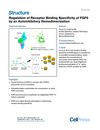
July 2017 in “Structure” In this study, researchers found that ligand homodimerization controls the receptor binding specificity of the FGF9 subfamily, preventing off-target activation of FGFR "b" isoforms.
4 citations
,
January 2021 in “Current Research in Physiology” This study found that high levels of μ-crystallin in skeletal muscle are associated with greater fat metabolism and a shift in gene expression towards slower muscle function.
 1 citations
,
December 2012 in “I P Pavlov Russian Medical Biological Herald”
1 citations
,
December 2012 in “I P Pavlov Russian Medical Biological Herald” In this study, finasteride was found to induce tissue-specific P-glycoprotein activity in the liver and kidney of rabbits after a 14-day treatment period.
 September 2023 in “Çukurova medical journal (Online)/Çukurova medical journal”
 This study observed that EZH2 expression scores in the epidermis, dermis, and hair follicles decrease with gestational age in human fetuses, and these scores were significantly higher in adults, indicating that lower EZH2 levels may be required for full skin differentiation and maturation before birth.
 February 2026 in “Applied Biosciences”
 In this study, a computational analysis of promoter regions in human fertility-related genes identified several new candidate regulatory motifs, but these require further experimental validation due to the limitations of being an in silico examination.

This research developed a pig graph pangenome assembly of 27 genomes, revealing the importance of structural variations in adaptation and breed-specific traits, with BTF3 identified as a key gene influencing intramuscular fat and meat quality.
 October 2004 in “Australian Prescriber”
 This review discusses the lack of long-term clinical studies on metformin's cardiovascular benefits in women with polycystic ovary syndrome, highlighting lifestyle changes as a crucial management strategy for reducing associated risks.
 20 citations
,
September 2015 in “Protein expression and purification”
20 citations
,
September 2015 in “Protein expression and purification” This study demonstrated that safflower seeds can be engineered to express oleosin-FGF10, which showed a dose-dependent effect on cellular proliferation, potentially facilitating scalable protein production.
In this study, introducing the rat OTC gene into spf-ash mice led to increased OTC activity and normalized hair growth and biochemical markers like urinary orotic acid and serum citrulline, partially correcting the symptoms of OTC deficiency.
 July 2012 in “European journal of cancer”
 This study demonstrated that switching aE-catenin to aT-catenin in murine skin substantially rescued hyperproliferative and pre-cancerous conditions, but led to partial baldness, indicating potential functional discrepancies.
3 citations
,
December 2024 in “Journal of Animal Physiology and Animal Nutrition” In this study, researchers found that reducing FGF20 expression in dermal papilla cells of fine-wool sheep impedes the growth and differentiation of hair follicle stem cells, providing insights into wool trait improvement and regenerative medicine applications.
10 citations
,
September 2015 in “Folia Histochemica Et Cytobiologica” This study found that paternal exposure to finasteride in male rats may impair fertility and affect androgen-sensitive spermatogenesis in their male offspring.
28 citations
,
October 2014 in “Development” This study revealed that frizzled 3 can fully rescue polarity defects in frizzled 6-null mice, while frizzled 6 can partially rescue defects in frizzled 3-null mice, highlighting conserved signaling roles in these proteins.
April 2015 in “The FASEB Journal” In this study, perinatal androgen deprivation in male rats led to elevated estrogen levels and a lack of sexual motivation towards gonadally-intact female rats.
2 citations
,
October 1961 in “Experimental Biology and Medicine” This study found that rabbits fed a diet deficient in Vitamin E developed severe muscular dystrophy that was not fully prevented by adding selenium, Vitamin E supplements, or natural feedstuffs, indicating other nutritional deficiencies.
5 citations
,
November 2023 in “Journal of Feline Medicine and Surgery” This case series reports on five cats who experienced moderate to severe skin reactions after receiving the frunevetmab injection, noting pruritus, alopecia, and ulcerations developing within days of treatment.
1 citations
,
January 2019 in “British Poultry Science” This study found that specific genes related to vascular endothelial growth factors are critical for feather maturity in certain chicken breeds, identifying key genetic markers that could enhance breeding efficiency.
12 citations
,
February 2022 in “Gene” In this study, researchers found that the FOS gene may play a significant role in promoting hair follicle development in Tan sheep between birth and the Er-mao period.
 67 citations
,
October 2005 in “Annals of Oncology”
67 citations
,
October 2005 in “Annals of Oncology” This review found that fulvestrant is well tolerated in postmenopausal women with hormone receptor-positive advanced breast cancer, showing lower incidence of joint disorders than non-steroidal aromatase inhibitors.
 January 1994 in “JAPANESE JOURNAL OF CLINICAL PHARMACOLOGY AND THERAPEUTICS”
 Testosterone and fleece-flower root affect mouse hair growth.
1 citations
,
April 1998 in “PubMed” 12 citations
,
February 1975 in “Journal of Steroid Biochemistry” April 2016 in “Journal of Investigative Dermatology” Iron deficiency causes hair loss by affecting hair differentiation and cycling.