 2 citations
,
November 2018 in “Medunab”
2 citations
,
November 2018 in “Medunab” This study found that in Colombian women with non-scarring alopecia, decreased serum ferritin levels were associated with telogen effluvium, but no such link was observed with thyroid disorders.
2 citations
,
November 2009 in “DSpace (Federal University of Santa Catarina)” Brunfelsia uniflora has good antioxidant properties and moderate antibacterial activity.
1 citations
,
January 2008 in “China Journal of Bioinformatics” This study identified that a significant number of expressed sequence tags from Cashmere goat skin with anagen hair follicles were genes coding for keratin or keratin-associated proteins.
1 citations
,
February 2025 in “International Journal For Multidisciplinary Research” This study developed and validated a simple, accurate, and sensitive HPTLC method for estimating minoxidil and aminexil in topical solutions, demonstrating effective separation and linear measurement of these compounds with %RSD under 2% and high regression coefficients.
1 citations
,
November 2024 in “Archives of Dermatological Research”  1 citations
,
November 2024 in “Revista JRG de Estudos Acadêmicos”
1 citations
,
November 2024 in “Revista JRG de Estudos Acadêmicos” This review discusses available treatments for androgenetic alopecia and highlights that, although no definitive treatment exists, current options generally achieve high satisfaction rates.
 1 citations
,
November 2002 in “Journal of dermatology”
1 citations
,
November 2002 in “Journal of dermatology” This study investigated the histogenetic relationship between basal cell carcinoma and hair follicles, revealing specific staining patterns of a monoclonal antibody in different skin tissues.
 January 2024 in “Revue médicale suisse”
 This article reviews current treatment options for androgenetic alopecia, assessing the efficacy and potential side effects of medications and minimally-invasive strategies like photobiomodulation, micro-needling, and platelet-rich plasma therapy, while also discussing hair transplantation and camouflage methods.
 May 2026 in “Revista fisio&terapia.”
 This narrative literature review found that combined therapies such as minoxidil, microneedling, and platelet-rich plasma are more effective than isolated treatments for androgenetic alopecia, improving hair density and quality. The study highlights the role of pharmaceutical intervention in enhancing treatment adherence and clinical outcomes.
 May 2026 in “Institutional Repository of the University of Granada (University of Granada)”
 This research aims to address gaps in understanding alopecia areata by evaluating the real-world effectiveness and safety of baricitinib, identifying predictors of therapeutic response, and exploring the long-term impact on life quality, including sexual health. Results are not reported in the abstract.
 April 2026 in “Open MIND”
 This review article discusses the aesthetic impacts of GLP-1 medications like Ozempic (semaglutide), including "Ozempic Face," skin sagging, and loss of lean mass, and explores potential recovery methods such as biostimulators, HIFU, endolaser, and PRP.
 March 2026 in “Editora Pasteur eBooks”
 This chapter provides a comprehensive review of androgenetic alopecia, covering its key physiological mechanisms, diagnostic methods, and a variety of treatment options ranging from topical therapies to aesthetic and regenerative procedures, emphasizing recent advances observed in dermatological practice.
 March 2026 in “Editora Pasteur eBooks”
 This study conducted a narrative literature review on androgenetic alopecia, highlighting the clinical diagnosis and management strategies, including minoxidil and 5-alpha-reductase inhibitors for men, and antiandrogens for women, along with the use of aesthetic procedures like microneedling as complementary therapies.
 February 2026 in “Editora Pasteur eBooks”
 This abstract does not report specific research results but introduces a book focusing on the intersection of endocrinology and aesthetic medicine and its growing importance in contemporary clinical practice.
 January 2026 in “Food Science and Human Wellness”
 This research examined krill oil's effects on benign prostatic hyperplasia and found that it inhibited the growth of prostate cells in vitro and reduced prostate size and weight in a BPH rat model, suggesting potential as a prophylactic or therapeutic agent for BPH.
 January 2026 in “National Journal of Pharmaceutical Sciences”
 This study developed and validated a Gas Chromatography-Flame Ionization Detection method for assessing minoxidil, which shows good precision, accuracy, and specificity for quality control and pharmacokinetic studies.
 January 2026 in “Cirugía Plástica .”
 This study reviewed preclinical evidence suggesting that topical glutamic acid can enhance hair regrowth and skin healing in burn-induced alopecia, highlighting its potential as a simple, low-cost treatment option that warrants further clinical trials.
January 2026 in “Redalyc (Universidad Autónoma del Estado de México)” In this systematic review and meta-analysis, the authors found that platelet-rich plasma improves hair density and facial texture with no serious adverse effects in non-surgical aesthetic treatments.
 December 2025 in “Editora Pasteur eBooks”
 A combined medical and aesthetic approach is crucial for effectively managing PCOS and its skin-related issues.
November 2025 in “Contribuciones a las Ciencias Sociales” This study suggests that incorporating laboratory tests into routine aesthetic procedures may improve result predictability and reduce risks, underscoring the importance of professional expertise in the evaluation process.
October 2025 in “Editora Pasteur eBooks” October 2025 in “Scientia Generalis” In this narrative review, the authors observed that prolonged stress, by increasing cortisol and affecting androgenic hormones, can harm hair follicles, leading to inflammation and worsening of alopecia areata and androgenetic alopecia.
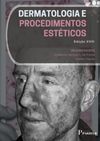 October 2025 in “Editora Pasteur eBooks”
 The abstract discusses the multidisciplinary nature and advancement of dermatology and aesthetic procedures within the health sciences, emphasizing the integration of diagnostic, corrective, preventive, and therapeutic approaches, but does not provide specific study results.
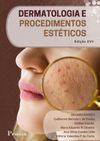 September 2025 in “Editora Pasteur eBooks”
 This abstract discusses the broad scope of dermatology and aesthetic procedures, highlighting their significant multidisciplinary evolution within the health sciences, but it does not report specific study results.

In this systematic review, the authors reported that both FUE and FUT hair transplant techniques induce oxidative stress and inflammation, impacting graft survival, but interventions like PRGF, CO2 laser, and dermal microtissues can enhance healing, reduce inflammation, and improve follicular survival.

This study evaluated the stability of multiple active ingredients in TrichoSol™ for use in alopecia treatments, finding varying stability durations at room temperature—up to 180 days for some ingredients—supporting its use as a compounding vehicle in personalized therapies.
 April 2025 in “PharmacoEconomics - Open”
 This study observed that patients with AA showed a high willingness to trade off lifespan for better disease-specific quality of life, indicating a significant disease burden.
 January 2025 in “Journal of Dermatology & Dermatologic Surgery”
 This study found that patients with telogen effluvium had a higher quality of life score compared to controls, despite no significant difference in self-esteem.
 January 2025 in “International Journal of Advancement in Life Sciences Research”
 In this cross-sectional study at a hospital in Nandyala, researchers identified nine drugs with potential new uses, noting that Aspirin and Dapagliflozin were most frequently repurposed, and observed changes in indications, dosage, and frequency, suggesting further clinical validation is needed for safety and efficacy.
January 2025 in “Conservation Physiology” This study developed and tested two methods to accurately quantify hair growth rates in polar, black, and grizzly bears using dye application and isotopically labelled amino acids, revealing growth rate variations by individual and season.