1 citations
,
September 2025 in “Archivio Italiano di Urologia e Andrologia” In this study, the combination of Serenoa repens extract with Phenolmicin P3 and Bosexil suppositories significantly improved lower urinary tract symptoms and decreased PSA levels in patients with benign prostatic obstruction-related symptoms.
10 citations
,
April 2013 in “Revista cubana de plantas medicinales” This study found that Sida cordifolia L. from Colombia is rich in saponins, which may contribute to its antioxidant and antifungal properties.
3 citations
,
April 2002 in “Animal Science” This study found that intradermal spermidine injections stimulated cell proliferation and increased fibre length growth rate in wool follicles of Merino lambs, without significantly affecting fibre diameter.
September 2020 in “Eureka: Health Sciences” In this study, the researchers developed an optimal emulgel formulation for treating androgenic alopecia, determining that a base with 0.3% Carbomer Ultraz 10, 0.1% potassium sorbate, and 0.2% triethanolamine offered the best properties for drug release, application compliance, safety, and stability.
 December 2015 in “Focus on catalysts”
 This study found that Pomiferin demonstrated potent stimulation of extracellular matrix proteins in human dermal fibroblasts and hair follicles, suggesting its potential as an ingredient in skin and scalp treatments.
January 2023 in “Applied sciences” This study suggests that Equisetum debile extracts, particularly the ethyl acetate fraction, may offer natural cosmeceutical benefits for treating hyperpigmentation, delaying skin aging, and remediating hair loss due to androgenic alopecia.
 January 2026 in “Food and Nutrition Sciences”
 This randomized, placebo-controlled trial reported that USPlus PRO saw palmetto extract significantly improved lower urinary tract symptoms, including voiding, incomplete emptying, and weak stream, as well as sexual function in males over 12 weeks, while maintaining a favorable safety profile.
 December 2024 in “PubMed”
 This study evaluates the compatibility of six active pharmaceutical ingredients, including finasteride and spironolactone, with TrichoFoam™, a foam vehicle used in personalized treatments for alopecia, though it does not report specific results.
This study found that in the San Plácido parish of Ecuador, various medicinal plants were widely used by locals for treating common ailments, with the most utilized species being Matricaria chamomilla L. and Mentha rotundifolia L.
 8 citations
,
November 1990 in “Archives of Dermatology”
8 citations
,
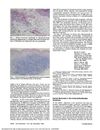
November 1990 in “Archives of Dermatology” This case report details a woman with eosinophilia-myalgia syndrome associated with L-tryptophan ingestion, highlighting skin lesions with abundant dermal mucin.
 August 2009 in “Australian Prescriber”
 This article discusses dutasteride, a new drug for managing benign prostatic hyperplasia, and highlights the need for further experience to confirm its safety and efficacy.
August 2026 in “JURNAL ILMU KEFARMASIAN INDONESIA” This study found that the addition of SPACE peptide significantly enhanced the penetration of amniotic membrane stem cell metabolites in mice, with only very mild irritation observed.
8 citations
,
June 2021 in “Frontiers in Medicine” This study reported that the combination of a 308-nm excimer lamp and 10% liquor carbonis detergens significantly improved scalp psoriasis symptoms compared to the excimer lamp alone, with more patients achieving 75% reduction in their Psoriasis Scalp Severity Index.
September 2025 in “OPAL (Open@LaTrobe) (La Trobe University)” This study developed a biobased copolymer called SELP::KP, showing improved hair strength, elasticity, and conditioning properties while being a safer alternative to conventional chemical treatments, based on application to human hair in a laboratory setting.
34 citations
,
September 2007 in “Experimental Dermatology” This study found that the outer protein layer of Merino wool is rich in sulfur-containing proteins similar to those found in both sheep wool and human hair.
 October 2021 in “Austin journal of biomedical engineering”
 In this study, researchers modified an acellular scaffold with different concentrations of eggshell membrane protein, finding that a 5% concentration effectively enhanced tissue regeneration in mice with excisional wounds, achieving complete healing within 14 days without causing immunogenicity or inflammation.
22 citations
,
December 2020 in “mSphere” This study identified a fungal sulfotransferase enzyme, FgSULT1, from *Fusarium graminearum*, expanding the sulfotransferase superfamily and offering new biocatalytic methods for producing bioactive sulfates.
January 1979 in “Lucus: Boletín informativo de la Excelentísima Diputación Provincial de Lugo” This paper discusses the molecular basis of intestinal regeneration and highlights the potential role of echinoderms in enhancing regenerative biology research, but reports no new research findings.
 March 2024 in “Jordan Journal of Biological Sciences”
 This study reported that the Pamona indigenous community near Lake Poso, Indonesia, relies on 21 macrofungi species for diverse uses, including food and medicine, helping to address malnutrition and disease prevention.
 January 2026 in “Lithuanian University of Health Sciences”
 This study reported that gels containing methyl cellulose exhibited the highest consistency factor and optimal homogeneity compared to those made with hydroxypropyl cellulose or its combination with pullulan, indicating the significant impact of gelling agents on gel properties.
 10 citations
,
July 2019 in “Journal of Asia-Pacific Entomology”
10 citations
,
July 2019 in “Journal of Asia-Pacific Entomology” This study suggests that ultra-fine powders of steamed and lyophilized mature silkworms may have enhanced pharmacological effects compared to fine powders, possibly due to their smaller particle size.
January 2025 in “Theseus (Ammattikorkeakoulujen)” In this study, a Finnish functional ingredient called SpruceSugar™ was found to slightly reduce scalp oil (sebum) and water loss compared to a control over four weeks, although differences were not statistically significant. Both study groups experienced similar improvements in scalp moisture.
25 citations
,
July 2022 in “Pharmaceutics” This study optimized efinaconazole spanlastic nanovesicles using risk management and multivariate analysis for potential transungual delivery to treat onychomycosis, achieving improved drug permeability and dissolution efficiency.
 1 citations
,
July 2022 in “Journal of Drug Delivery Science and Technology”
1 citations
,
July 2022 in “Journal of Drug Delivery Science and Technology” This study found that Spironolactone-loaded ethosomal gels provided superior skin permeation and deposition compared to niosomal gels in rabbit skin, suggesting that ethosomal gels could be a promising formulation for further clinical studies on treating androgenic alopecia.
September 2023 in “Journal of the American Academy of Dermatology” This study evaluated the effect of guselkumab on moderate to severe plaque psoriasis and found that median PASI improvements increased from around 60% at week 4 to over 90% by week 12 of treatment across multiple clinical trials.
 4 citations
,
April 2023 in “JURNAL FARMASI DAN ILMU KEFARMASIAN INDONESIA”
4 citations
,
April 2023 in “JURNAL FARMASI DAN ILMU KEFARMASIAN INDONESIA” This study evaluated green tea extract-loaded spanlastic formulations and found that a vesicle builder to edge activator ratio of 8:2 produced optimal characteristics, including a particle size of 419.70 nm, an entrapment efficiency of 60.85%, and a drug loading of 11.07%.
5 citations
,
January 2022 in “Asian Journal of Pharmaceutical and Clinical Research” In this review, the authors highlight that emulgels, a combination of gel and emulsion, provide an effective topical drug delivery system for hydrophobic drugs, offering benefits like controlled release and versatility in treating various dermatological conditions.
 October 2025 in “Actualización en Medicina de Familia”
 This review discusses several new pharmacological products, including those for cardiovascular prevention and overactive bladder, but notes challenges in defining their therapeutic roles and provides safety updates on existing medications; it reports no new clinical results.
10 citations
,
August 2019 in “European Journal of Dermatology” This abstract provides no new clinical results; it discusses the role of surgery and interventional radiotherapy in treating cutaneous squamous cell carcinoma.
2 citations
,
April 2022 in “bioRxiv (Cold Spring Harbor Laboratory)” In this study, researchers developed a new wound dressing material using chemically modified Isabgol with antibacterial properties, which showed promising biocompatibility and effectiveness in managing chronic wounds by preventing infections and maintaining a moist environment.