Search
for
Sort by
Research
480-510 / 1000+ results
research Real-life effectiveness and safety of baricitinib in 17 Japanese patients with alopecia areata: a 60-week single center study
In this study, the researchers reported that baricitinib improved hair loss in a real-world setting for Japanese adults with alopecia areata, with a 64.7% success rate at 60 weeks, though prolonged episodes reduced efficacy. Common side effects were acne and mildly decreased renal function.
research 471 Senolytic Potential of Fisetin and ABT Compounds in Dermal Fibroblasts

research 26143 Time to scalp hair, eyebrow, and eyelash improvement in patients with alopecia areata treated with baricitinib in the phase 2 portion of the phase 2/3 BRAVE-AA1 study
In this study, baricitinib treatment led to significant regrowth of scalp, eyebrow, and eyelash hair in alopecia areata patients compared to placebo, with higher effectiveness seen at the 4-mg dose.
research A new mutation resulting in the truncation of the TRAF6-interacting domain of XEDAR: a possible novel cause of hypohidrotic ectodermal dysplasia: Figure 1
This article reviews the genetic mutations associated with hypohidrotic ectodermal dysplasia and reports no new clinical results; the authors highlight the roles of EDA gene isoforms and related receptors.

research Baricitinib Withdrawal and Retreatment in Patients With Severe Alopecia Areata
In this study, withdrawal of baricitinib therapy in patients with severe alopecia areata who had achieved hair regrowth led to a loss of benefit in almost all patients, suggesting that continued treatment is necessary to maintain hair regrowth.
research 33766 Efficacy of baricitinib in patients with various degrees of alopecia areata severity: Results from BRAVE-AA1 and BRAVE-AA2
This study examined phase 3 clinical trial data and found that baricitinib improves hair regrowth in adults with alopecia areata and significant scalp hair loss, with the response varying based on the severity of hair loss at the start of treatment.
research The Effect of JAK Inhibitor on the Survival, Anagen Re-Entry, and Hair Follicle Immune Privilege Restoration in Human Dermal Papilla Cells
This study found that ruxolitinib modulated inflammatory changes and stimulated growth factor signals by blocking the JAK-STAT pathway in an in vitro model of alopecia areata.
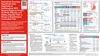
research Baricitinib Provides Significant Hair Regrowth In Adolescents With Severe Alopecia Areata: 52-Week Efficacy and Safety Results From A Phase 3 Randomized, Controlled Trial
This phase 3 trial found that over 50% of adolescents with severe alopecia areata achieved successful hair regrowth after 52 weeks on baricitinib 4-mg, with no new safety concerns reported compared to existing safety profiles.

research 52709 Patient-Reported Outcomes for Scalp, Eyebrow and Eyelash Hair Loss in Patients with Severe Alopecia Areata Treated with Baricitinib: 152 Week Results from two Phase 3 Clinical Trials
In this study, patients with severe alopecia areata treated with baricitinib over 152 weeks experienced sustained patient-reported improvements in scalp, eyebrow, and eyelash hair regrowth, with higher responders observed in the 4mg dose group compared to the 2mg group.
research Alefacept for Severe Alopecia Areata: A Randomized, Double-blind, Placebo-Controlled Study

research Scattered Skin Eruptions in a Patient With Inflammatory Bowel Disease
This report discusses a case of vesiculopustular eruption in a patient with ulcerative colitis, highlighting the effective use of ustekinumab for treatment and suggesting its consideration in similar cases of IBD-related skin lesions.

research Patient-Reported Hair Loss and Its Impacts as Measured by the Alopecia Areata Patient Priority Outcomes Instrument in Patients Treated with Ritlecitinib: The ALLEGRO Phase 2b/3 Randomized Clinical Trial
This study found that ritlecitinib improved patient-reported outcomes related to hair growth in individuals with alopecia areata, with some experiencing clinically meaningful hair regrowth, although changes in emotional symptoms and activity limitations were minimal and similar across treatment groups.

research Upadacitinib for management of alopecia areata and rheumatoid arthritis: Letter to the editor
This study reports a case where a patient with rheumatoid arthritis and alopecia areata saw significant improvement in both conditions after switching to daily upadacitinib treatment, specifically achieving complete hair regrowth within six months.
research In Vitro Stability and Preclinical Safety Evaluation of High-Dose Intravitreal Topotecan in Rabbits: Impact of Dose and Concentration
In this experimental study, researchers found that intravitreal injections of up to 100μg of topotecan in rabbits caused no systemic or ocular toxicity, while 200μg doses resulted in localized retinal changes and decreased electroretinography amplitudes near the injection site.

research Long‐term efficacy and safety of baricitinib in patients with severe alopecia areata: 104‐week results from BRAVE‐AA1 and BRAVE‐AA2
In this study, baricitinib for severe alopecia areata showed sustained efficacy over 104 weeks, with most Week-52 responders maintaining significant hair regrowth and some mixed responders improving further with long-term treatment.

research 5PSQ-056 Experience with tofacinitib and baricitinib in rheumatoid arthritis
This study found that tofacitinib and baricitinib had an acceptable adverse reaction profile when used to treat rheumatoid arthritis, with similar side effects to those described in their technical data sheets.
research A Discrete Choice Experiment of Clinician Preferences Among Attributes of Approved Janus Kinase Inhibitors for Alopecia Areata
This study found that clinicians treating alopecia areata prioritize JAK inhibitor treatments with higher efficacy and faster initial hair growth, regardless of dosing frequency, and preferred the treatment option with ritlecitinib 50-mg data the least among several blinded profiles.
research Alopecia areata mit gutem Ansprechen auf Tofacitinib
This case study demonstrated that off-label tofacitinib treatment led to full regrowth of scalp hair after 18 months in a patient with alopecia areata universalis, following unsuccessful therapies.

research Repurposing of H1-receptor antagonists (levo)cetirizine, (des)loratadine, and fexofenadine as a case study for systematic analysis of trials on clinicaltrials.gov using semi-automated processes with custom-coded software
Custom software found that common allergy drugs might have new uses for various conditions and could improve survival in some cancers.
research Evaluating the Therapeutic Potential of Ritlecitinib for the Treatment of Alopecia Areata
This study found that treatment with ritlecitinib improved hair regrowth in alopecia areata patients, with many achieving significant results after 24 weeks compared to placebo.
research Baricitinib: A Review in Severe Alopecia Areata
In two phase 3 clinical trials, this study found that adults with severe alopecia areata receiving baricitinib experienced significant hair regrowth on the scalp, eyebrows, and eyelashes over 36 weeks compared to placebo, although longer-term data are needed to fully assess benefits and risks.
research Erlotinib-related Severe Hair Loss with Severe Exanthematous Drug Eruption: A Case Report
This case report details a 54-year-old woman with metastatic non-small-cell lung cancer who experienced severe hair loss and exanthematous drug eruption, potentially linked to erlotinib hypersensitivity.
research Unique Tumor Heterogeneity Within a Single Locally Advanced Basal Cell Carcinoma Resulting in Partial Response Despite Continuous Vismodegib Treatment
This article outlines the scope and content of the Dermatologic Surgery journal, providing an overview without reporting new research results.
research 598 Response to ritlecitinib treatment based on salt improvement scores in patients with alopecia areata (AA): Post hoc analysis of the allegro phase 2b/3 study
This study found that treatment with ritlecitinib led to significant scalp hair regrowth in patients with alopecia areata at Weeks 24 and 48, with higher response rates observed in those receiving 50 mg compared to 30 mg doses.
research Cyclophosphamide and rituximab in frequently relapsing/steroid-dependent nephrotic syndrome
In this study, rituximab treatment for children with steroid-dependent nephrotic syndrome was associated with a longer remission time and fewer side effects compared to cyclophosphamide.

research New possibilities extemporaneous preparation in dermatology - innovative foam base Espumil
This article discusses the use of Espumil foam base in pharmacies for preparing dermatological medications and reports no new clinical results.

research Efficacy of Dupilumab in Treating Atopic Dermatitis With Recurrent Eczema Herpeticum in a Patient With DOCK8-Deficiency Hyper-IgE Syndrome: A Case Report
This study reported that dupilumab successfully induced remission of chronic, disseminated eczema herpeticum in a six-year-old girl with DOCK8-deficiency hyper-IgE syndrome, achieving complete resolution of herpetic lesions and significant skin, hair, and nail improvement within three months.
research Les Rencontres d’Experts du Psoriasis : des recommandations pour la pratique quotidienne
This study found that tofacitinib was well tolerated and led to clinical improvement in 77% of potential responders with severe alopecia areata, alopecia totalis, or alopecia universalis.
research Ruxolitinib protects skin stem cells and maintains skin homeostasis in murine graft-versus-host disease
This study found that topical ruxolitinib protected Lgr5+ skin stem cells and maintained skin homeostasis in skin GVHD, unlike corticosteroids.