 May 2025 in “The Journal of Rheumatology”
 In this case report, a 64-year-old woman diagnosed with both NMOSD and SLE showed mild improvement in vision and recovered from thrombocytopenia after treatment with glucocorticoids and Rituximab, highlighting the importance of accurate diagnosis and tailored treatment for overlapping autoimmune disorders.
 May 2025 in “The Journal of Rheumatology”
 This case report describes a 47-year-old woman with dilated cardiomyopathy as the first sign of primary antiphospholipid syndrome, highlighting the need for APS screening in similar patient presentations.
 May 2025 in “The Journal of Rheumatology”
 This case report highlights a rare instance of diffuse alveolar hemorrhage in a patient with catastrophic antiphospholipid syndrome, emphasizing the importance of early recognition and multidisciplinary management.
 May 2025 in “The Journal of Rheumatology”
 This case report details a rare instance of primary adrenal insufficiency as a manifestation of antiphospholipid syndrome, with the patient successfully managed through glucocorticoids, warfarin, and hydroxychloroquine.
 May 2025 in “The Journal of Rheumatology”
 This case report describes a woman whose initial presentation of SLE was persistent watery diarrhea, diagnosed as lymphocytic enterocolitis, and shows that immunosuppressive therapy resulted in symptom relief.
 January 2025 in “Frontiers in Immunology”
 This case report details a rare instance of a young male with coexisting autoimmune polyendocrine syndrome type 2 and anti-GAD65 antibody-associated stiff person syndrome, where symptoms improved by adding intravenous immunoglobulin therapy, emphasizing the importance of awareness for early diagnosis and treatment.
 January 2025 in “Drug repurposing”
 This study reviewed 16 notable drug repurposing patent applications from 2025, highlighting potential new uses such as guanfacine for autonomic dysfunction and disulfiram for subarachnoid hemorrhage survival, though many disclosures lack peer-reviewed studies and no patents are granted.
 December 2024 in “International Journal of Community Medicine and Public Health”
 In this study, researchers explored the dermatologic manifestations of celiac disease in children, highlighting dermatitis herpetiformis and other common skin conditions, and concluded that early recognition and management with a gluten-free diet and possible pharmacological interventions enhance outcomes.
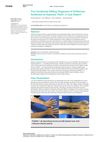
This study presents a rare instance of Netherton syndrome diagnosed incidentally in siblings of consanguineous parents, initially misdiagnosed as other skin conditions, emphasizing the need for careful evaluation in chronic skin cases to prevent misdiagnosis.
 January 2024 in “Bright Sky Publications eBooks”
 This study investigated the prevalence of Helicobacter pylori in patients with gastritis in Southern Iraq, but the abstract does not report any specific results.
 December 2023 in “Asian journal of medical sciences”
 This study from S.C.B. Medical College explored the clinico-etiological and histopathological patterns of erythroderma, observing psoriasis as the most common cause, followed by idiopathic cases and atopic or drug-induced dermatitis, highlighting the need for careful management and awareness of alternative medicine use.
 September 2023 in “bioRxiv (Cold Spring Harbor Laboratory)”
 In this study, freezing gamma-irradiated amniotic fluid increased hair follicles and accelerated the transition to the anagen stage in rats, suggesting potential for treating hair loss safely and effectively.
 September 2023 in “International journal of medicine”
 This study reviewed the current status and future scope of artificial intelligence in healthcare, highlighting its potential to revolutionize medical practices through improved affordability, efficiency, and speed, as well as its applicability in various fields such as imaging, diagnosis, and individualized care.
 March 2023 in “International Journal of Biomedicine”
 This review discusses telogen effluvium, including its causes, symptoms, diagnostic methods, and treatment strategies, without presenting new clinical findings.
 January 2022 in “Al-Azhar Medical Journal”
 This study found a significant association between antigliadin antibodies (IgA and IgG) and alopecia areata severity, suggesting a need for celiac disease screening in these patients.
 July 2021 in “Advances in laboratory medicine”
 This article reviews differential diagnosis approaches for 46,XY DSD, proposing a diagnostic algorithm focused on biochemical and genetic data, without presenting new clinical results.

This case report describes a 40-year-old man with four autoimmune diseases leading to MAS, and suggests an additional classification category for MAS including autoimmune hypothyroidism, alopecia universalis, celiac disease, and immune thrombocytopenic purpura.
 October 2019 in “Journal of Evolution of Medical and Dental Sciences”
 This case report describes a 56-year-old male with chronic watery diarrhea, hyperpigmentation, and alopecia, in whom colonoscopy revealed multiple polypoidal lesions from the distal transverse colon to the rectum.
 November 2018 in “Springer eBooks”
 Children need early diagnosis and treatment for iron-deficiency anemia to prevent learning problems and promote health.
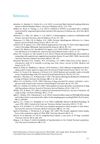
This reference list, part of a book by Alex Gough, Alison Thomas, and Dan O'Neill, compiles citations from veterinary journals on various canine and feline health issues, but reports no new research findings.
 January 2017 in “Springer eBooks”
 The document explains various skin conditions and their treatments.

The document concludes that hair loss in women is complex, often linked to aging, health conditions, and nutritional deficiencies, and emotional impacts should not be underestimated.
 June 2015 in “Journal of the turkish academy of dermatology”
 This review revisits the principles regarding the critical role of diet and nutrition in managing certain skin diseases but reports no new findings.

This chapter reviews various skin disorders classified as Mendelian disorders of cornification and reports no new clinical findings, highlighting the complexity of genetics involved in inherited ichthyoses.
 August 2013 in “Gastroenterology”
 This case report highlights a 60-year-old patient's diagnosis with Cronkhite-Canada syndrome, characterized by gastrointestinal polyps, diarrhea, weight loss, brittle nails, alopecia, and skin changes, which showed improvement with treatment.
 November 2009 in “Medical & surgical dermatology”
 This study found that haploinsufficiency of SPINK5 can lead to Netherton syndrome when a single null mutation combines with homozygous G1258A polymorphisms, suggesting it acts as a genuine mutation affecting LEKTI function.
 June 2008 in “British Journal of Dermatology”
 Herpes gestationis is linked to certain antigens, atopic eczema affects T cell populations and may be eased by breastfeeding, higher doses of anti-androgen treatment can improve androgenic alopecia, topical minoxidil increases hair thickness, long-term methotrexate therapy can cause liver fibrosis in psoriasis patients, and Lichen Sclerosus et Atrophicus patients aren't at higher risk for autoimmune disorders.
 June 1996 in “Irish Journal of Medical Science (1971 -)”
 This study found a statistically significant increase in glycosylated hemoglobins among patients with adult-acquired panhypopituitarism undergoing long-term GH replacement therapy, with two developing diabetes requiring treatment.
 March 2023 in “Journal of Pakistan Society of Internal Medicine.”
 This case report highlights a young woman diagnosed with lupus enteritis, illustrating the importance of early diagnosis and treatment in this rare clinical manifestation of systemic lupus erythematosus.
 239 citations
,
July 2002 in “Clinical and Experimental Dermatology”
239 citations
,
July 2002 in “Clinical and Experimental Dermatology” This review explores the role of nutritional factors in hair loss, noting that iron and l-lysine supplementation may benefit some individuals, while excessive supplements can lead to hair shedding.