 March 2026 in “Health Psychology Report”
 In this study, individuals with alopecia and psoriasis reported higher body shame and depressive symptoms and lower self-compassion compared to the general population, with self-compassion mediating the relationship between external shame and anxiety and depression symptoms.
 March 2026 in “International Journal of Homoeopathic Sciences”
 This narrative review reports preliminary evidence suggesting that an integrative homeopathic approach, combining constitutional treatment with topical mother tinctures, may aid in healing and reducing inflammatory acne lesions, though larger trials are needed to confirm these effects.
 February 2026 in “Journal of Dermatology and Skin Science”
 This review highlights that obsessive-compulsive disorder and body-focused repetitive behaviors are increasingly encountered in dermatology, often going undetected, and emphasizes the role of dermatologists in early identification and interdisciplinary treatment to address both physical and psychological aspects for improved outcomes.
 February 2026 in “International Journal of Homoeopathic Sciences”
 This case report observed improvements in both hair regrowth and psychological symptoms in a 25-year-old male with alopecia areata after six months of individualized homeopathic treatment, suggesting potential benefits of this approach for such patients.
 January 2026 in “Theoretical and Natural Science”
 In this study, the authors explored the role of Lgr5+ hair follicle stem cells and their regulation through the Wnt/-catenin pathway, highlighting how precise modulation of this pathway is crucial for treating hair loss safely and effectively.

This case report describes a 16-year-old girl with severe generalized gingival fibromatosis and hypertrichosis, who underwent successful treatment through gingivectomy, with uneventful healing observed over an eight-month follow-up.
 January 2026 in “International Journal of All Research Education & Scientific Methods”
 This review highlights recent advancements in understanding and treating alopecia, emphasizing genetic and immune factors involved in different forms, and discusses emerging therapies such as gene-editing and exosome-based treatments, though achieving complete hair regrowth remains a challenge.
 December 2025 in “Lviv clinical bulletin”
 This review found that platelet-rich plasma therapy may enhance ovarian repair and fertility outcomes in ovarian insufficiency, but notes that optimal usage and long-term effects require further investigation.

This review explores the management of facial hair in active-duty female military members, focusing on conditions like pseudofolliculitis barbae and hirsutism, and underscores the importance for healthcare practitioners to understand the psychosocial and medical aspects of these conditions in both military and civilian contexts.

In this study, GV-350 treatment over three months improved iron status and reduced the impact of Telogen Effluvium on quality of life among 20 iron-deficient women, with no adverse events reported.

This study found that 49% of female breast cancer patients treated with CDK4/6 inhibitors for at least three months developed alopecia, which significantly impacted their quality of life, with greater alopecia severity leading to worse emotional and functional well-being.
 November 2025 in “SKIN The Journal of Cutaneous Medicine”
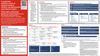
 This review highlights the significant psychosocial impact of alopecia areata on children and adolescents, affecting self-esteem, relationships, academic performance, and the well-being of their families.
 November 2025 in “Journal of Multidisciplinary Healthcare”
 This study found that combining fire needle therapy with DHT treatment over eight weeks improved lesion severity, scar symptoms, quality of life, and reduced serum inflammatory cytokine levels in patients with moderate-to-severe acne vulgaris compared to using DHT alone.
 October 2025 in “Pakistan journal of urology.”
 This supplementary issue of the Pakistan Journal of Urology contains diverse studies spanning organ donation's significance, surgical techniques, and the comparison of treatments in urology, but it doesn't provide specific research results or detailed findings.
 August 2025 in “International Journal For Multidisciplinary Research”
 This study highlights that stress and coping styles significantly influence the symptom severity of Indian women with PCOS, emphasizing a need for culturally appropriate interventions to improve quality of life.
 June 2025 in “International Journal of Research and Review”
 This review concluded that Unani medicine offers a promising holistic approach to managing androgenetic alopecia by focusing on humoral balance and follicular rejuvenation, but further scientific validation is needed for widespread clinical use.
 April 2025 in “National Journal of Medical Research”
 This observational study conducted in an Indian hospital found that autoimmune conditions, particularly alopecia areata, were the most prevalent scalp dermatoses among 152 patients, emphasizing the importance of accurate diagnosis and treatment to address both physical and psychological impacts.
 January 2025 in “International Journal of Dermatology Sciences”
 This study found that among women with PCOS, common skin conditions like hirsutism and acne significantly affect quality of life, particularly impacting social and physical domains as measured by the WHOQOL-BREF.
 January 2025 in “International Journal of Pharmacognosy and Life Science”
 In this review, researchers highlighted the potential benefits of using herbal remedies, such as Aloe vera, Bhringraj, Neem, Tea tree oil, Amla, and Hibiscus, for treating various hair problems like dandruff, scalp infections, and premature greying, suggesting natural alternatives to traditional hair treatments.
 January 2025 in “International Journal of Herbal Medicine”
 This review highlights that while dandruff affects over 50% of humans and cannot be fully eradicated, it can be controlled through chemical treatments that may cause side effects or herbal remedies such as Neem and Tea tree oil, which have longstanding use in hair care.
 January 2025 in “International Journal of Dermatology Venereology and Leprosy Sciences”
 This study found that oral tofacitinib significantly reduced alopecia severity and improved quality of life over 12 months for children with moderate to severe alopecia areata, though the authors recommend more research due to the small sample size and absence of a control group.
 January 2025 in “Advances in Dermatology and Allergology”
 In this prospective study of 135 women with hirsutism, researchers reported that treatment approaches varied, with oral contraceptives, dexamethasone, and metformin widely used, and emphasized a holistic approach including lifestyle changes and mental health support to effectively manage the condition.
 December 2024 in “Indonesian Journal of Tropical and Infectious Disease”
 In a tropical, high-burden region, this study found that tinea corporis and tinea cruris were the most common types of dermatophytosis, particularly affecting female adults, and that treatment commonly involved griseofulvin and ketoconazole cream, with Trichophyton mentagrophytes as the prevalent pathogen.
 December 2024 in “Tạp chí Y Dược Huế”
 This study observed that in 210 infertile women with PCOS, stress significantly negatively impacted quality of life, with infertility-related quality being particularly low, and noted income, BMI, acne, and hirsutism as influential factors.
 September 2024 in “Quality in Sport”
 This study provides a comprehensive review of trichotillomania, focusing on its clinical symptoms, etiology, diagnostics, and treatment methods, while also addressing serious complications like trichobezoars and Rapunzel Syndrome.
 June 2024 in “International Journal of Research in Ayurveda and Pharmacy”
 This study explores Ayurvedic concepts for hair conditions such as hair loss, premature greying, alopecia areata, seborrheic dermatitis, and dandruff, highlighting treatments that include Panchakarma and Rasayana medicines for potential relief.
 June 2024 in “Dermatology and Therapy”
 In this study, patients with alopecia areata who experienced sustained hair regrowth while being treated with baricitinib showed improvements in health-related quality of life and reductions in anxiety and depression symptoms over 104 weeks, according to the BRAVE-AA phase III trials.
In this study, researchers found a strong association between premature graying of hair and deficiencies in vitamin D and B12, hypothyroidism, and deranged iron profiles, along with higher stress, altered appetite, smoking, and sleep pattern issues, significantly impacting quality of life.
 April 2024 in “International journal of women's health”
 This review explores adult female acne, focusing on its multifactorial causes, treatment options, and impact on quality of life, but reports no new clinical results.
 February 2024 in “Brazilian Journal of Implantology and Health Sciences”
 This review discusses the high prevalence of dermatological manifestations like hirsutism and acne in PCOS patients and explores various therapeutic approaches, highlighting the need for early recognition and treatment.