 January 2024 in “Annals of Dermatology”
 This study found that DPCP immunotherapy effectively treats alopecia areata, identifying factors that influence treatment response and patient satisfaction, which may aid in standardizing the treatment for improved outcomes.
August 1978 in “Archives of Dermatology” This case report details a rare instance of granulomatosis disciformis chronica et progressiva affecting both skin and lymph node tissue in a 31-year-old man.
May 2022 in “The journal of investigative dermatology/Journal of investigative dermatology” This study found that TET2 plays a tumor-suppressive role in preventing squamous cell carcinomas by regulating 5-hydroxymethylcytosine levels, suggesting therapeutic potential for DNA methylation dynamics.
October 2019 in “Asian College of Neuropsychopharmacology” June 2020 in “Faculty Opinions – Post-Publication Peer Review of the Biomedical Literature” This study found a specific T cell receptor that may be key in carbamazepine-induced Stevens-Johnson syndrome and toxic epidermal necrolysis, suggesting potential therapeutic targets.
 24 citations
,
September 2014 in “Journal of the European Academy of Dermatology and Venereology”
24 citations
,
September 2014 in “Journal of the European Academy of Dermatology and Venereology” This study suggests that trichoscopy with a handheld dermatoscope may help differentiate temporal triangular alopecia from other localized alopecia by identifying specific hair features.
 3 citations
,
January 2009 in “Sen'i Gakkaishi”
3 citations
,
January 2009 in “Sen'i Gakkaishi” This study found that using a bicomponent reduction system with TGA and DTDG for hair straightening limited hair damage by forming only thiol groups, while a TGA-only system formed more damaging mixed disulfide groups.
 3 citations
,
May 2023 in “International Journal of Molecular Sciences”
3 citations
,
May 2023 in “International Journal of Molecular Sciences” In this study, researchers observed that phospholipid-calcium carbonate hybrid nanoparticles effectively delivered Tofacitinib citrate topically, which significantly inhibited hair follicle apoptosis and promoted hair growth in a mouse model of chemotherapy-induced alopecia, compared to a traditional Tofacitinib solution.
7 citations
,
April 2008 in “Progrès en Urologie” 12 citations
,
September 2015 in “Drug Design Development and Therapy” This study found that the DOX derivative AD198 more effectively inhibited cell viability and induced apoptosis in canine cancer cell lines K9TCC and K9OSA compared to DOX in vitro.
9 citations
,
October 2025 in “MedComm” This review discusses the development and clinical progression of PROTAC technology for targeted protein degradation, highlighting its potential to address previously "undruggable" targets but reports no new clinical results.
 November 2022 in “The journal of investigative dermatology/Journal of investigative dermatology”
 This study used single-cell and spatial transcriptomic profiling to identify specific molecular markers in human follicular dermal papilla cells, enhancing understanding of their role in hair follicle development.
 108 citations
,
March 2011 in “Archives of Dermatology”
108 citations
,
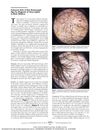
March 2011 in “Archives of Dermatology” Corkscrew hair may be a new sign for quickly diagnosing scalp fungus in black children.
March 2026 in “Drug Testing and Analysis” This study observed that the degradation product PTeCA significantly increased in hair treated with oxidative cosmetics, suggesting it could be a reliable marker for detecting such treatments, with a proposed PTCA cut-off value using PTeCA as the gold standard.
 June 2024 in “International Journal of Pharmaceutical Quality Assurance”
 This study established a new reverse-phase high-performance liquid chromatography method to accurately and precisely quantify silodosin and dutasteride in mixtures, meeting International Council of Harmonization validation criteria for stability, sensitivity, and recovery.
 September 2019 in “The journal of investigative dermatology/Journal of investigative dermatology”
 This study found that deleting all three Tet genes in mice led to shorter hair shafts and altered hair types, with associated changes in gene expression and DNA hydroxymethylation.
 29 citations
,
March 2008 in “Dermatologic Surgery”
29 citations
,
March 2008 in “Dermatologic Surgery” This study developed a prototype device that suggests potential for diagnosing changes in hair quantity, diameter, and density, though formal clinical studies are needed to confirm these findings.
1 citations
,
August 2024 in “Skin Health and Disease” Among pediatric alopecia areata patients treated with DPCP, this study reported complete hair regrowth in 8.8% and any regrowth in 61.8% after one year, with better outcomes for those with milder initial symptoms and longer treatment durations.
31 citations
,
October 2010 in “BMB Reports” In this study, L-threonate was found to inhibit DHT-induced DKK-1 expression in cultured dermal papilla cells, suggesting it could help prevent androgen-driven balding.
 38 citations
,
January 2016 in “Cell Death and Disease”
38 citations
,
January 2016 in “Cell Death and Disease” This review discusses the role of the TCL1 transgenic mouse model in understanding chronic lymphocytic leukemia biology and highlights the importance of exploring new pathogenetic and therapeutic targets.
October 2006 in “Urology” The study found that different criteria led to different patient groups in the CombAT study compared to the MTOPS study.
14 citations
,
June 1982 in “Archives of Dermatology” This letter to the editor shares concerns about possible systemic effects from topical dinitrochlorobenzene therapy in a 25-year-old man treating alopecia areata.
4 citations
,
May 2022 in “Genes & Diseases” January 2025 in “International Journal of Biological Macromolecules” This study found that decorin treatment significantly enhances dermal papilla cell proliferation, promoting hair follicle growth by influencing the SMAD3/TGF-β signaling pathway through exosomal miR-129–2-3p, which may aid in novel strategies for treating hair disorders and enhancing wool production.

This study investigated dual TCR Treg cells in mouse tissues, revealing a high proportion and diverse pairing patterns compared to single TCR Tregs, providing insights into their origins and characteristics across different tissue locations.
9 citations
,
July 2007 in “Journal of Investigative Dermatology” This study found that exposure to 12-O-tetradecanoyl-phorbol-13-acetate in mouse skin caused changes in claudin expression and localization, indicating disruption and eventual recovery of the epidermal barrier.
July 2026 in “Journal of Investigative Dermatology”  20 citations
,
August 2019 in “Journal of Telemedicine and Telecare”
20 citations
,
August 2019 in “Journal of Telemedicine and Telecare” This study found that dermatologists in São Paulo reported increased confidence in teledermatology over one year, citing its utility for triage and diagnosis, particularly for superficial infections and pigmentary disorders.
 72 citations
,
January 2003 in “American Journal of Pathology”
72 citations
,
January 2003 in “American Journal of Pathology” This study found that the co-activator CBP enhances the agonistic action of hydroxyflutamide on androgen receptors, suggesting a mechanism for therapy resistance in prostate cancer.
October 2022 in “Hair Transplantation” This article discusses the temporary scalp trichopigmentation procedure, detailing its unique approach compared to traditional scalp micropigmentation, and reports no new clinical findings.