1 citations
,
October 2025 in “International Journal of Molecular Sciences” This study found that zebrafish with a mutation in the GDP-fucose biosynthesis gene exhibited enhanced and faster regeneration of mechanosensory hair cells, implicating the importance of this gene and Notch signalling regulation in hair cell regeneration mechanisms.
 7 citations
,
June 2011 in “Movement Disorders”
7 citations
,
June 2011 in “Movement Disorders” A specific gene mutation is linked to a hereditary form of dystonia that responds well to certain medications.
 37 citations
,
May 2004 in “Multiple Sclerosis Journal”
37 citations
,
May 2004 in “Multiple Sclerosis Journal” This article highlights adverse skin reactions due to injectable therapies for MS, noting that while generally mild, some cases can progress to serious lesions requiring medical intervention.
This study found that combining electrical stimulation with minoxidil had a synergistic effect on the proliferation of cultured human dermal papilla cells, potentially through enhanced activation of the Wnt/β-catenin pathway.
 27 citations
,
August 1984 in “Experimental and Molecular Pathology”
27 citations
,
August 1984 in “Experimental and Molecular Pathology”  12 citations
,
August 2022 in “Journal of Controlled Release”
12 citations
,
August 2022 in “Journal of Controlled Release” In this study, a microneedle patch containing conditioned media from hypoxia-pretreated stem cells enhanced hair regeneration in an androgenetic alopecia mouse model by boosting perifollicular vascularization and hair follicle stem cell activation compared to minoxidil.
 5 citations
,
January 2012 in “PubMed”
5 citations
,
January 2012 in “PubMed” This study observed that anti-multiple nuclear dots antibodies, typically markers for primary biliary cirrhosis, were also present in patients with various autoimmune and connective tissue diseases, without correlating to disease activity or specific skin features.
19 citations
,
December 2021 in “Stem Cell Research & Therapy” This study found that Muse cells, when injected subcutaneously, alleviated symptoms of atopic dermatitis in mice, suggesting potential for treating inflammatory skin conditions.
September 2022 in “Journal of The American Academy of Dermatology” In this study, the authors highlight the potential of intradermal microinjections of dutasteride as an adjunctive therapy for androgenetic alopecia, though they note that information on its effectiveness remains limited.
 1 citations
,
August 2023 in “Advanced Drug Delivery Reviews”
1 citations
,
August 2023 in “Advanced Drug Delivery Reviews” This review discusses various microneedle technologies for long-acting drug delivery, highlighting design considerations and challenges in bringing these minimally invasive devices to market, but it reports no new clinical results.
 January 2024 in “Frontiers in Bioengineering and Biotechnology”
 In this mouse study, researchers found that nanoparticles loaded with umbilical cord-derived stem cell membranes and minoxidil enhanced hair growth by improving drug solubility and transdermal delivery, increasing VEGF, IGF-1, MKI67, and CTNNB protein levels in skin tissue compared to regular minoxidil.
3 citations
,
June 2025 in “Gyemyeong uidae haksulji” This review suggests that PDRN shows promise as a safe and versatile regenerative agent for wound healing and other dermatological applications, based on its dual mechanisms and clinical evidence of efficacy.
9 citations
,
April 2006 in “International Journal of Dermatology” This article reviews the potential for α-difluoromethylornithine to help control hair growth and prevent cancer, but it does not present new clinical results.
91 citations
,
August 2024 in “Acta Pharmaceutica Sinica B” This review explores how microneedles can improve the delivery of dermatological treatments by bypassing the skin's outer barrier, discussing their potential use in managing skin diseases, cosmetic applications, and challenges related to clinical adoption.
 January 2018 in “Sohag Medical Journal”
 Combining topical dutasteride with microneedling is more effective for hair growth than microneedling alone.
 April 2026 in “bioRxiv (Cold Spring Harbor Laboratory)”
 This study found that distinct neurons in the nucleus accumbens lateral shell regulate scratching behavior differently; D1R neurons promote scratching while D2R neurons help stop it, with elevated dopamine levels during chronic itch potentially enhancing persistent scratching.
4 citations
,
July 2021 in “Frontiers in Cell and Developmental Biology” This study demonstrates that the transcription factor DLX5 can promote hair follicle stem cell differentiation through regulating the c-MYC/miR-29c-3p/NSD1 axis.
 2 citations
,
January 2012 in “Hair therapy & transplantation”
2 citations
,
January 2012 in “Hair therapy & transplantation” This study observed that DDAIP-HCl enhanced the permeation of minoxidil through human cadaver skin, suggesting potential for improved treatment efficacy in male pattern hair loss.
August 2025 in “OPAL (Open@LaTrobe) (La Trobe University)” This preclinical study found that a machine-learning-driven strategy for fabricating microneedles with optimal hardness and rapid dissolution significantly promoted hair regrowth in androgenetic alopecia mice by activating the Wnt/β-catenin pathway, surpassing the effects of minoxidil.
 86 citations
,
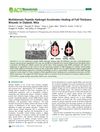
March 2018 in “ACS Biomaterials Science & Engineering”
86 citations
,
March 2018 in “ACS Biomaterials Science & Engineering” This study found that MDP hydrogel significantly accelerated wound healing and improved tissue formation in diabetic mice compared to a standard clinical hydrogel and control buffer.
 17 citations
,
April 2007 in “Kidney international”
17 citations
,
April 2007 in “Kidney international” This study found that 1,25 dihydroxyvitamin D3 significantly increased the expression and activity of vasculoprotective natriuretic peptide receptor-A in cultured inner medullary collecting duct cells, suggesting a potential mechanistic role in cardiovascular and renal benefits.
 March 2024 in “Biochimica et biophysica acta. Molecular basis of disease”
 This study found that deferoxamine may protect against sensorineural hearing loss by reducing oxidative stress-induced hair cell death through iron chelation and activation of the Nrf2 signaling pathway in lab models.
 August 2025 in “Journal of Cosmetic Dermatology”
 In this study, a DMG-Na and caffeine-containing shampoo significantly reduced hair loss and increased hair density in men with male pattern hair loss over 6 months, compared to a placebo, without adverse effects.
47 citations
,
December 2003 in “Journal of Investigative Dermatology” DS cells in hair follicles can help form and restore hair, especially in hair loss conditions.
28 citations
,
November 2018 in “American Journal of Medical Genetics Part A” This report describes a neurometabolic disorder linked to gain-of-function variants in the ODC1 gene, characterized by developmental delay, ectodermal abnormalities, and notable facial and neuroimaging features.
 November 2022 in “Journal of Investigative Dermatology”
 This study found that the cytoplasmic dynein component Dynlt3 is essential for effective melanosome transport and transfer in mouse melanocytes, linking melanosome positioning and acidity to the Wnt/β-catenin signaling pathway.
 12 citations
,
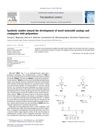
February 2010 in “Tetrahedron Letters”
12 citations
,
February 2010 in “Tetrahedron Letters” This article describes the synthesis of novel polyamine-modified minoxidil analogs and conjugates to potentially enhance minoxidil's biological activity, selectivity, and water solubility, but reports no new biological results.
 61 citations
,
June 2014 in “Scientific Reports”
61 citations
,
June 2014 in “Scientific Reports” This study found that overexpression of Wnt1a in bone marrow mesenchymal stem cells enhanced mouse hair follicle regeneration and promoted hair cycling.
 26 citations
,
June 2020 in “Polymers”
26 citations
,
June 2020 in “Polymers” This study reported that a magneto-responsive transdermal microneedle system delivered Minoxidil effectively and significantly increased hair density by 800% in mice with androgenetic alopecia after 10 days.
9 citations
,
June 2025 in “Frontiers in Pharmacology” This review highlights recent advancements in microneedle technology, noting its ability to enhance transdermal drug delivery, biosensing, cancer treatment, and skin disease repair, while emphasizing its potential for improving patient compliance and reducing side effects.