 June 2026 in “Lasers in Medical Science”
 This randomized trial found that diode laser achieved more favorable long-term hair removal outcomes but induced more discomfort and transient adverse effects compared to intense pulsed light in women with Fitzpatrick skin types I-IV.
This study demonstrated that the IVL-DrugFluidic® platform is effective for mass-producing finasteride-loaded polymeric microspheres for long-acting injectables, maintaining stable drug release without an initial burst for a month.
 22 citations
,
April 2011 in “Anais Brasileiros de Dermatologia”
22 citations
,
April 2011 in “Anais Brasileiros de Dermatologia” This report describes two cases where lichen planopilaris may have compromised the hair follicles in both donor and recipient areas following follicular unit transplantation.
21 citations
,
December 2022 in “Pharmaceutics” This review found that laser-assisted drug delivery in humans was associated with several adverse effects, but no life-threatening events were reported in the studies examined.
 May 2014 in “Clinical and Experimental Dermatology”
 A 70-year-old woman with a rare skin condition improved after treatment with topical steroids and acitretin.
 June 2022 in “Journal of the Liaquat University of Medical and Health Sciences”
 This study investigated the relationship between lichen planus and dyslipidemia but did not report any clinical findings.
 April 2019 in “Journal of Investigative Dermatology”
 This study found that lichen planopilaris is associated with three core molecular pathways, which may inform new therapeutic strategies for scarring alopecia, including unique pathways like ABC transporters specific to LPP.
433 citations
,
April 2015 in “Photomedicine and laser surgery” This editorial discusses the terminology and distinctions between Low-Level Light/Laser Therapy and Photobiomodulation Therapy but reports no new clinical findings.
 October 2022 in “International journal of medical science and clinical research studies”
 In this study, the combination of Poly-D,L-Lactic Acid and Platelet-Rich Plasma was reported to be effective for improving wrinkle severity and skin brightness in a 45-year-old woman.
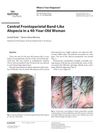 January 2018 in “Skin appendage disorders”
 A woman's hair loss was correctly diagnosed as Lichen planopilaris after initial misdiagnosis, highlighting the usefulness of trichoscopy in diagnosing hair disorders.
 5 citations
,
November 2014 in “Hair transplant forum international”
5 citations
,
November 2014 in “Hair transplant forum international” This article introduces a series on low level laser light therapy, focusing on its science, regulatory aspects, and controlled trial methodologies, but reports no new clinical results.
 January 2017 in “Open Journal of Endocrine and Metabolic Diseases”
 This case report identifies an adolescent with symptoms indicative of Dunnigan-type partial lipodystrophy, emphasizing the need for early diagnosis to manage associated metabolic complications and improve self-esteem.
 November 2022 in “The journal of investigative dermatology/Journal of investigative dermatology”
 This study used single-cell and spatial transcriptomic profiling to identify specific molecular markers in human follicular dermal papilla cells, enhancing understanding of their role in hair follicle development.
1 citations
,
December 2020 in “Medical lasers” The laser therapy device effectively increased hair growth in people with androgenetic alopecia.
18 citations
,
January 2021 in “Theranostics” This study found that actively targeted AN2728-loaded nanocarriers reduced inflammation and improved skin condition in a mouse model of psoriasiform inflammation compared to free drug and non-targeted nanoparticles.
 37 citations
,
October 2015 in “Anais Brasileiros de Dermatologia”
37 citations
,
October 2015 in “Anais Brasileiros de Dermatologia” This study found diverse clinical presentations of lichen planopilaris, with classic lichen planopilaris being the most common, highlighting the importance of recognizing this variability for accurate diagnosis.
8 citations
,
June 2021 in “Frontiers in Medicine” This study reported that the combination of a 308-nm excimer lamp and 10% liquor carbonis detergens significantly improved scalp psoriasis symptoms compared to the excimer lamp alone, with more patients achieving 75% reduction in their Psoriasis Scalp Severity Index.
39 citations
,
November 2017 in “PubMed” This case series reported that low-dose naltrexone may benefit patients with lichen planopilaris by reducing scalp symptoms and slowing disease progression, with no adverse effects observed in the patients.
 December 2024 in “Livers”
 This case report highlights a female patient with familial partial lipodystrophy who showed significant improvement in liver stiffness after starting leptin replacement therapy.
January 2025 in “International journal of research studies in biosciences” This abstract discusses the prevalence and forms of lichen planopilaris, a type of scarring hair loss, but reports no new clinical findings.
 5 citations
,
July 2014 in “Acta Crystallographica Section D-biological Crystallography”
5 citations
,
July 2014 in “Acta Crystallographica Section D-biological Crystallography” This study reports that mutations in human L-PGDS affect the entrance and exit of ligands in its binding cavity, suggesting these residues play a role in ligand interaction processes.
 September 2023 in “Bulletin of the Medical Institute of Continuing Education”
 This study discusses clinical cases of Lichen Planopilaris in men that were initially misdiagnosed and inadequately treated, resulting in significant irreversible hair loss.
This case study reports that a 35-year-old woman developed nonscarring alopecia following the cosmetic use of poly-L-lactic acid on her face and hairline.
 20 citations
,
October 2016 in “Veterinary dermatology”
20 citations
,
October 2016 in “Veterinary dermatology” This study reports that generalized discoid lupus erythematosus is a recognized canine variant of cutaneous lupus erythematosus, resembling its human counterpart, with varied treatment responses and common relapses.
 33 citations
,
March 2017 in “Dermatologic Surgery”
33 citations
,
March 2017 in “Dermatologic Surgery” In this clinical study, low-level laser therapy using the HANDI-DOME LASER device increased hair counts by 51% compared to controls, indicating its potential as a safe and effective treatment for androgenetic alopecia in women aged 18 to 60.
 March 2005 in “Journal of The American Academy of Dermatology”
 Diphencyprone treatment protocols could be simplified as no harm occurred despite not fully following them.
 July 2023 in “Dermatology Practical & Conceptual”
 This study found that a positive anagen pull test can be an indicator of lichen planopilaris activity, suggesting its utility in the clinical assessment of this condition.
 April 2018 in “The journal of investigative dermatology/Journal of investigative dermatology”
 This study found that in a mouse model of Focal Dermal Hypoplasia, treatment with lithium carbonate improved skin disease symptoms compared to controls, though disease severity varied and posed interpretation challenges.
 April 2018 in “The journal of investigative dermatology/Journal of investigative dermatology”
 This study suggests that mitochondrial dysfunction might contribute to the pathogenesis of Lichen planopilaris by triggering a metabolic shift that leads to chronic inflammation and hair follicle damage.
3 citations
,
March 2024 in “iScience” This study found that long-lived proteins in mice, identified across various tissues, may be linked to neurodegenerative and cardiovascular diseases due to their low renewal rate and increased risk of damage.