22 citations
,
July 2013 in “International Journal of Radiation Biology” In this study, antioxidant vitamins A, C, and E were found to help protect against intestinal damage caused by radiation in rats, with vitamin E being the most effective.
 19 citations
,
June 2011 in “British Journal of Dermatology”
19 citations
,
June 2011 in “British Journal of Dermatology” Severe digestive issues in DRESS need early endoscopy for better treatment.
124 citations
,
November 2019 in “International Journal of Molecular Sciences” This review discusses different processing methods for isolating human AD-SVFs/AD-MSCs using various kits and reports no new clinical results, highlighting the need for standardized preparation techniques.
 6 citations
,
January 2020 in “Methods in molecular biology”
6 citations
,
January 2020 in “Methods in molecular biology” This study outlines a method for isolating dermal papilla cells from human hair follicles, which may help overcome challenges in studying their role in hair growth.
1 citations
,
February 2025 in “International Journal of Molecular Sciences” This study found that an enzymatic digestion method for isolating hair follicle stem cells from scalp specimens yielded 5.3 times more epithelial cells than explant cultures, while supporting comparable cell functionality, offering a promising technique for tissue engineering and regenerative medicine.
December 2025 in “Rapid Communications in Mass Spectrometry” This study found that pepsin digestion was more effective than trypsin at identifying keratin-associated proteins in human hair shafts and confirmed that trypsin introduced a bias in the analysis of protein composition that pepsin can correct.
 June 2025 in “Rapid Communications in Mass Spectrometry”
 In this study, researchers developed a simplified and reliable method to prepare human hair shaft samples, achieving over 75% protein extraction efficiency and improved keratin sequence coverage, with the approach showing high reproducibility across different labs and operators.
November 2024 in “Stem Cell Research & Therapy” A new method improves the isolation of hair follicle cells for better hair growth research.

This study found that new methods for isolating human dermal papilla cells were more efficient than traditional methods, maintaining higher levels of specific markers and improving the cells' research potential.
 April 2023 in “The journal of investigative dermatology/Journal of investigative dermatology”
 This study found that using trypsin digestion to extract keratinocytes from the hair follicle bulge results in a higher yield and faster growth of stem keratinocytes compared to the explant method.
 11 citations
,
August 2018 in “Asian-Australasian journal of animal sciences”
11 citations
,
August 2018 in “Asian-Australasian journal of animal sciences” This study found that a short daily photoperiod increased crude protein digestibility, secondary hair follicle activity, and cashmere quality in Inner Mongolia white cashmere goats without harming fiber characteristics.
 January 2019 in “Srpski Arhiv Za Celokupno Lekarstvo”
 This study found that using the same number of needles as planned grafts in hair transplantation improved operation time, hair growth direction, and patient satisfaction among 56 patients, with a 95% graft success rate.
6 citations
,
January 1997 in “Medical Mycology” This study found that Piedraia hortae invades and damages human hair by slowly degrading keratin in the cortex, which may contribute to the fungus's persistence and the chronic nature of the infection.
 13 citations
,
May 2004 in “Dermatologic Surgery”
13 citations
,
May 2004 in “Dermatologic Surgery” This article outlines a method for achieving natural-looking hair direction and density in hair transplants using specific parting and incision techniques, without accelerating hair loss in the recipient area.
9 citations
,
April 2019 in “Journal of Structural Biology” Keratin fibers in hair twist left-handed.
4 citations
,
August 2023 in “Journal of Investigative Dermatology” Certain genes influence the direction of hair whorls on the scalp.
 March 2025 in “Journal of Craniofacial Surgery”
 This study found that male hairlines naturally exhibit significant rightward asymmetry, suggesting that embracing this asymmetry in hair transplant procedures may result in more natural-looking outcomes.
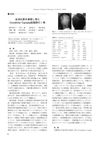 January 2014 in “Progress of Digestive Endoscopy”
 This case report describes a 60-year-old woman with Cronkhite-Canada syndrome whose symptoms and polyposis improved following prednisolone therapy, but emphasizes the need for periodic digestive tract screening due to associated cancer risks.
August 2007 in “Pratica Medica & Aspetti Legali” This article discusses potential malpractice lawsuits linked to inadequate procedural steps in endoscopy, without reporting new research findings.
 June 2004 in “Dermatologic Surgery”
 This study outlines a technique for hair transplantation that maintains natural hair flow and density by mimicking natural hair direction and angle without accelerating hair loss in the recipient area.
February 2026 in “Middle European Scientific Bulletin” In this study, researchers explored the formation of the skin's epidermal barrier, its interplay with skin microbiota, and the role of skin appendages, suggesting that probiotics might offer promising avenues for treating scalp diseases, particularly those affecting hair loss.
October 2014 in “Transfusion Clinique et Biologique” This review discusses symptoms and syndromes associated with iron deficiency, with or without anemia, but reports no new clinical findings; the authors highlight the potential influence of intestinal factors on iron absorption.
 December 2024 in “Animals”
 In this study, Tithonia diversifolia extract was found to improve certain digestive parameters in crossbred sheep but did not enhance growth performance, as the improvements in digestion did not translate into increased body weight or feed conversion.
January 2006 in “Zhongguo bijiao yixue zazhi” This study demonstrated a simple and efficient method to isolate epithelial cells from rat vibrissa follicles, reducing labor and contamination risk while maintaining positive K19 staining.
12 citations
,
September 1982 in “Journal of Investigative Dermatology”