 2 citations
,
June 2021 in “Медицинский совет”
2 citations
,
June 2021 in “Медицинский совет” This article discusses COVID-19-induced hair loss, noting that both the infection and related stress may contribute to diffuse thinning and androgenic alopecia, and emphasizes the importance of dermatological evaluation.
 2 citations
,
August 2019 in “Reviews on Clinical Pharmacology and Drug Therapy”
2 citations
,
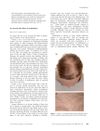
August 2019 in “Reviews on Clinical Pharmacology and Drug Therapy” In this review, the authors concluded that fullerenes and their derivatives are safe for use in cosmetics and could provide antioxidant benefits and other useful properties for cosmetic and dermatological applications.
 2 citations
,
March 2015 in “Clinical and Experimental Dermatology”
2 citations
,
March 2015 in “Clinical and Experimental Dermatology” This article addresses an unusual side effect of azathioprine but provides no abstract or detailed results, focusing instead on a specific dermatological perspective.
 1 citations
,
June 2025 in “Preprints.org”
1 citations
,
June 2025 in “Preprints.org” This research review found that climate change exacerbates skin conditions like photoaging, inflammatory dermatoses, and skin cancers by causing oxidative stress and inflammation, suggesting that dermatological practices should incorporate environmental and multicultural considerations to optimize patient outcomes in diverse populations.
1 citations
,
May 2025 in “BMC Veterinary Research” This research highlights the importance of considering hypothyroidism in dogs for early diagnosis and treatment to prevent potentially life-threatening complications, given its relative commonality compared to other diseases causing dermatological changes or obesity in these animals.
 1 citations
,
April 2025 in “Clinical Cosmetic and Investigational Dermatology”
1 citations
,
April 2025 in “Clinical Cosmetic and Investigational Dermatology” This study reports two cases of erlotinib-induced erosive pustular dermatosis of the scalp in patients with non-small cell lung cancer, emphasizing the need for dermatological monitoring during EGFR inhibitor therapy.
 1 citations
,
January 2024 in “American journal of clinical and experimental immunology.”
1 citations
,
January 2024 in “American journal of clinical and experimental immunology.” This study reports that cutaneous manifestations such as herpes zoster, purpura, and livedo reticularis in COVID-19 patients can potentially indicate disease severity, aiding in the prediction of the illness's progression and guiding dermatological management during the pandemic.
1 citations
,
April 2022 in “Journal of Cosmetic Dermatology” This review highlights that androgenetic alopecia significantly impacts psychological well-being and quality of life, emphasizing the need for integrated psychological support alongside dermatological treatment.
 1 citations
,
January 2022 in “PubMed”
1 citations
,
January 2022 in “PubMed” This review found that autologous serum therapy, particularly its growth factor component in platelet-rich plasma, can be an effective dermatological treatment for wound healing, skin rejuvenation, acne scars, and androgenic alopecia while reducing the risks of hypersensitivity and infectious disease transmission.
 1 citations
,
December 2021 in “Medical Records”
1 citations
,
December 2021 in “Medical Records” This study found that during the COVID-19 pandemic, there was a significant reduction in dermatology clinic visits, with an increase in stress-induced dermatoses and more male patients seeking dermatological care compared to the previous year.
 1 citations
,
October 2018 in “Sohag Medical Journal”
1 citations
,
October 2018 in “Sohag Medical Journal” This study found that pregnant women commonly experience physiological skin changes, such as pigmentary alterations, and are susceptible to various dermatological conditions, including scabies and pregnancy-specific dermatoses.
1 citations
,
October 2010 in “JDDG Journal der Deutschen Dermatologischen Gesellschaft” This review discusses the effectiveness of various plant extracts, including Vitis vinifera and Aesculus hippocastanum, in treating dermatological conditions like venous insufficiency and actinic keratoses but reports no new clinical results.
August 2026 in “International Journal of Research Publication and Reviews” This review found that Adiantum capillus-veneris has shown potential pharmacological activities related to its traditional Unani uses, especially for inflammatory, infectious, dermatological, and hair conditions, although more clinical research is needed to confirm its efficacy and safety in humans.
August 2026 in “Adolescencia e Saude” This study reviews various hyperpigmentation disorders, their causes, and evolving treatments, emphasizing the need for safe, effective cosmeceuticals particularly suited for adolescents, integrating botanical and phytochemical advancements with modern dermatological techniques.
August 2026 in “npj Biofilms and Microbiomes” In this study, researchers observed menopausal stage-specific differences in the prevalence and abundance of Malassezia species on the skin of 345 Asian women, linking menopause-driven skin changes to Malassezia-induced keratinocyte dysfunction and inflammation, which could contribute to dermatological diseases.
April 2026 in “Journal of the European Academy of Dermatology and Venereology” This study highlights the necessity for regionally tailored dermatology guidelines in Africa, given that existing international guidelines often overlook the continent's unique dermatological challenges, such as diverse skin presentations, cultural practices, and limited healthcare resources.
 April 2026 in “Frontiers in Pharmacology”
 This study suggests that nanotechnology-based drug delivery systems can improve the targeted, sustained delivery and stability of dermatological treatments, potentially leading to better outcomes and reduced side effects for various aesthetic skin conditions, though further clinical trials are needed to confirm these benefits.
 April 2026 in “Journal of Clinical Medicine”
 This review summarizes recent research into the effects of GLP-1 receptor agonists on skin processes, noting potential benefits for wound healing but also potential cosmetic concerns like facial fat loss and decreased collagen, highlighting the need for more clinical studies to clarify their dermatological impact.
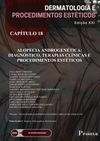 March 2026 in “Editora Pasteur eBooks”
 This chapter provides a comprehensive review of androgenetic alopecia, covering its key physiological mechanisms, diagnostic methods, and a variety of treatment options ranging from topical therapies to aesthetic and regenerative procedures, emphasizing recent advances observed in dermatological practice.
January 2026 in “Zenodo (CERN European Organization for Nuclear Research)” This study reported that rice water, containing essential minerals and vitamins, shows promise in cosmetic and dermatological applications by acting as an anti-aging agent, hair growth promoter, and natural antidandruff treatment due to its antioxidant and antifungal properties.
December 2025 in “Advanced Healthcare Materials” This study introduces a spherical skin model that effectively mimics key features of human skin, offering a scalable and rapid alternative for non-animal dermatological and cosmetic testing.
November 2025 in “Indian Journal of Dermatology” This study reports a rare cluster of four patients with ectodermal dysplasia, highlighting its typical dental and dermatological manifestations and the necessity of multidisciplinary management.
 October 2025 in “Journal of Pharmacy And Bioallied Sciences”
 In this observational study conducted at a tertiary care center, researchers found that post-COVID patients most commonly experienced telogen effluvium and other dermatological issues like herpes infection and acne, with middle-aged and female patients being predominantly affected.
 October 2025 in “International Journal of Nutrology”
 This systematic review found that exosomes and gut microbiota play a significant role in skin regenerative processes, suggesting that gut health is crucial for maintaining aesthetically healthy skin, and probiotic treatments may support traditional dermatological therapies for inflammatory skin diseases.
September 2025 in “Journal of Skin and Stem Cell” This narrative review reports that baricitinib, a first-generation JAK inhibitor, has shown effectiveness in treating alopecia areata and atopic dermatitis and holds promise for other chronic dermatoses, marking a significant advancement in dermatological immunotherapy according to the summarized findings.
This article presents an index of terms related to stem cells, inflammatory conditions, and dermatological treatments, but reports no new research findings.
August 2025 in “Ciencia Latina Revista Científica Multidisciplinar” This study identified various therapeutic applications of rosemary in humans, including cellular, dental, dermatological, metabolic, respiratory, and nervous system conditions, supporting its potential in evidence-based medicine.
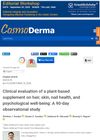 July 2025 in “Cosmoderma”
 In this study, a 90-day course of a plant-based supplement significantly improved hair density, skin hydration, and nail growth among participants with dermatological concerns, while also reducing hair fall and pigmentation, without adverse effects.
 May 2025 in “International Medical Case Reports Journal”
 This case report highlights lichen planus pigmentosus in a 60-year-old man, which was linked to previously undetected hepatitis C infection and liver cirrhosis, suggesting a need for hepatitis C testing in patients with similar dermatological manifestations.
April 2025 in “Digital Commons - East Tennessee State University (East Tennessee State University)” This study reviewed recent literature on Long COVID, examining cardiopulmonary, dermatological, neurological, and rheumatological symptoms and identifying risk factors like severe initial infection, comorbidities, and lack of prior vaccination.