25 citations
,
March 2007 in “The journal of investigative dermatology/Journal of investigative dermatology” The researchers identified a specific mutation in the desmoglein 4 gene linked to localized autosomal recessive hypotrichosis, which presents with variable hair loss severity in affected individuals from a large Pakistani family.
January 2011 in “Junshi yixue” This study established a murine chronic graft-versus-host disease model with scleroderma features, showing typical skin changes and cellular infiltrates associated with the condition.
 1 citations
,
April 2022 in “AACE clinical case reports”
1 citations
,
April 2022 in “AACE clinical case reports” This case report describes a 36-year-old Pakistani phenotypic female diagnosed with 46,XY 5-alpha-reductase deficiency, highlighting that such disorders of sexual development can manifest with symptoms like obesity, hirsutism, and amenorrhea later in life due to unique circumstances.
 43 citations
,
February 2013 in “Developmental dynamics”
43 citations
,
February 2013 in “Developmental dynamics” This study found that Eda and activin A regulate Foxi3 expression, which may contribute to the development of hypohidrotic ectodermal dysplasia by affecting Foxi3 activity in ectodermal appendages like hair and teeth.
4 citations
,
November 2024 in “Current Opinion in Genetics & Development” January 2025 in “International Journal of Applied and Basic Medical Research” In this case report, a 40-year-old woman with folliculitis decalvans exhibits symptoms like itchy papules and patchy hair loss, illustrating the importance of distinguishing this condition from similar scarring alopecias for appropriate treatment.
 February 2023 in “Acta Scientific Women s Health”
 This review examines emerging and past therapies for recurrent implantation failure, focusing on three innovative strategies: PBMC, G-CSF, and PRP, but reports no new clinical results.
28 citations
,
July 2005 in “Journal of Investigative Dermatology” Sca-1+ cells in newborn mouse skin may become fat cells.

This abstract is from a website with no specific study or research content, focusing on access to JAMA publications and administrative information.
 29 citations
,
September 2014 in “American Journal of Dermatopathology”
29 citations
,
September 2014 in “American Journal of Dermatopathology” This study found that horizontal sections of scalp biopsies in patients with Central Centrifugal Cicatricial Alopecia often reveal follicular miniaturization, inflammation, and scarring, which can guide personalized treatment.
1 citations
,
January 2026 in “International Journal of Dermatology” In this study, a case of dissecting cellulitis of the scalp was reported in a man after starting dupilumab therapy, highlighting potential immune pathways involved and the importance of recognizing such paradoxical inflammatory reactions to prevent irreversible alopecia.
12 citations
,
September 2002 in “Journal of Neurochemistry” This study found that changes in the brain concentrations of neuroactive steroids during pregnancy are linked to increased Y 1 receptor gene expression in the medial amygdala of transgenic mice.
 2 citations
,
March 2015 in “Hepatitis Monthly”
2 citations
,
March 2015 in “Hepatitis Monthly” This case report identified dystrophic anagen effluvium as a previously unreported dermatological side effect of PEG-INF-α-2a/RBV combination therapy in a patient with chronic hepatitis C infection.
 10 citations
,
June 2014 in “Experimental Dermatology”
10 citations
,
June 2014 in “Experimental Dermatology” The study found that exogenous decorin administration accelerated the anagen phase and delayed the catagen transition, suggesting it may act as a positive regulator of the hair cycle.
 28 citations
,
August 2001 in “Journal of cutaneous medicine and surgery”
28 citations
,
August 2001 in “Journal of cutaneous medicine and surgery” This review discusses the increased incidence of dermatological conditions in individuals with Down's syndrome and explores potential links to immunological deficiencies, but reports no new clinical findings.
 1 citations
,
April 2016 in “Journal of Investigative Dermatology”
1 citations
,
April 2016 in “Journal of Investigative Dermatology” This study identified that blocking the PTGDR2 receptor in human hair follicles in vitro and in mice reversed the hair growth inhibition caused by PGD2, suggesting a potential approach for treating alopecia.
 January 2021 in “Systematic Reviews in Pharmacy”
 This study found that 90% of pregnant women experience physiological skin changes, with Striae Gravidarum being the most common, especially in multigravid individuals.
8 citations
,
August 2014 in “Biochemical and Biophysical Research Communications” The study found that over-expressing ornithine decarboxylase in the outer root sheath of the hair follicle in mice increases UVB-induced tumor growth and invasive squamous cell carcinoma compared to inter-follicular epidermal keratinocytes.
 2 citations
,
December 2013 in “Revista Colombiana de Obstetricia y Ginecología”
2 citations
,
December 2013 in “Revista Colombiana de Obstetricia y Ginecología” This article reviews the cultural, historical, and marketing influences driving female pubic hair removal and argues it is socially seen as normative for aesthetic, hygienic, erotic, and self-image reasons.
This study identified CXXC5 as a key mediator of hair loss induced by PGD2 and DHT via suppression of the Wnt/β-catenin pathway, with implications for potential therapeutic targets.
 October 2018 in “Current Opinion in Genetics & Development”
 The document emphasizes the importance of ongoing research and ethical considerations in genome editing and cellular reprogramming.
293 citations
,
September 2004 in “Development” This study found that WNT signaling is essential for the initiation of mammary gland morphogenesis in embryonic mice, promoting placode development and potentially playing a critical role in skin appendage formation.
46 citations
,
October 2012 in “Seminars in reproductive medicine” This review describes how recent discoveries in genetic defects and alternative pathways in androgen biosynthesis are reshaping our understanding of male sexual differentiation, but it presents no new clinical findings.
 January 2025 in “i-manager s Journal on Life Sciences”
 This review discusses PCOD's pathophysiology, clinical features, and management strategies but reports no new clinical findings, emphasizing the need for early diagnosis and multidisciplinary management.
 10 citations
,
April 1976 in “Archives of Dermatology”
10 citations
,
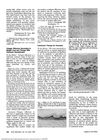
April 1976 in “Archives of Dermatology” This case report describes a 36-year-old woman experiencing telogen effluvium, noting her recent rapid weight loss and injections of chorionic gonadotropin as potential contributing factors.
192 citations
,
October 1998 in “Experimental Dermatology” This article examines the terminal to vellus transition in androgenetic alopecia through cellular and developmental mechanisms, discussing challenges and knowledge gaps without presenting new clinical findings.
32 citations
,
September 1996 in “Archives of Dermatological Research” 6 citations
,
September 1996 in “Archives of Dermatological Research”  February 2010 in “Journal of the American Academy of Dermatology”
 This case report describes a 4-month-old boy with anhidrotic ectodermal dysplasia and immunodeficiency who showed minimal improvement with initial treatments but significant improvement after an umbilical cord blood transplantation.
In this laboratory study, researchers developed and tested two in vitro models to simulate atopic dermatitis using HaCaT cells, finding that azithromycin displayed epithelial-strengthening properties in one model, potentially offering insights for future research on skin disease interventions.