 1 citations
,
February 2022 in “bioRxiv (Cold Spring Harbor Laboratory)”
1 citations
,
February 2022 in “bioRxiv (Cold Spring Harbor Laboratory)” This study found that a specific fragment of AIMP1 secreted by hair follicle stem cells can stimulate dermal papilla cells and promote hair regrowth.
 December 2022 in “Small methods”
 This study developed dissolving microneedles incorporating a new AR degrader for treating androgenetic alopecia, showing that a single application leads to superior hair regeneration compared to daily minoxidil, without systemic toxicity or androgen-related issues.
36 citations
,
March 1989 in “British journal of dermatology/British journal of dermatology, Supplement” In this study, the authors compared topical diphencyprone and tretinoin gel for treating alopecia totalis and universalis, but the abstract does not report any definitive clinical results.
 70 citations
,
June 2017 in “Nature Communications”
70 citations
,
June 2017 in “Nature Communications” This study introduced a new technique, 2Phatal, enabling precise apoptotic cell ablation in living animals, revealing unique cell-type differences in apoptosis-related dynamics.
In this study, researchers developed an AI-powered platform called VitaDetect, which screens for vitamin deficiencies using image analysis of nails, tongue, and skin, aiming to provide an accessible and early-stage detection tool in resource-limited settings.
28 citations
,
November 2018 in “American Journal of Medical Genetics Part A” This report describes a neurometabolic disorder linked to gain-of-function variants in the ODC1 gene, characterized by developmental delay, ectodermal abnormalities, and notable facial and neuroimaging features.
 1 citations
,
February 2022 in “Clinical and Experimental Health Sciences”
1 citations
,
February 2022 in “Clinical and Experimental Health Sciences” In this study, dexpanthenol exhibited antiepileptic and antidepressant-like effects in mice without impacting their motor coordination.
September 2023 in “Journal of the American Academy of Dermatology” This study found that in participants with notalgia paresthetica, 8 weeks of treatment with difelikefalin significantly improved itch intensity and increased the rate of strict complete response compared to placebo, starting as early as week 3.
16 citations
,
April 2000 in “Contact dermatitis” In this report, a 19-year-old Japanese man experienced severe and prolonged urticarial reactions following treatment with diphenylcyclopropenone for alopecia universalis, emphasizing the need for caution with potent sensitizers.
August 2026 in “Cell Biomaterials” D-chiral biomaterial scaffolds enhance tissue and hair regeneration by activating the body's immune system.
August 2017 in “Seoul National University Open Repository (Seoul National University)” The study investigated the role of Aminoacyl-tRNA synthetase interacting multifunctional protein 1 (AIMP1) in hair follicle stem cell proliferation and its potential as a treatment for alopecia. AIMP1, when dissociated from the multi-tRNA synthetase complex, was found to be secreted by dermal papilla cells in a sonic hedgehog (Shh) signal-dependent manner. This secretion increased the proliferation of CD34+ hair follicle stem cells by promoting the wnt signaling pathway through inhibition of sFRP1, a known wnt antagonist. The research demonstrated that the N-terminal fragment of AIMP1 could be developed into a therapeutic peptide for hair loss. When applied topically to depilated mice, this peptide significantly accelerated hair growth, especially when formulated with carbomer. The findings highlighted a novel mechanism of AIMP1 action and its potential application in alopecia treatment.
April 2026 in “SSRN Electronic Journal” September 2023 in “bioRxiv (Cold Spring Harbor Laboratory)” This study found that dissolving microneedle array patches containing mesoporous silica nanoparticles can deliver antigen-loaded nanoparticles into mice effectively, inducing strong immune responses similar to traditional subcutaneous injection.
January 2024 in “Wiadomości Lekarskie” This pilot clinical study introduces DEC cells as a novel therapy for Duchenne muscular dystrophy, confirming safety and efficacy in seven patients up to 24 months post-treatment.
17 citations
,
October 2011 in “International Journal of Immunopathology and Pharmacology” This study found that after 24 weeks of DPCP treatment for alopecia areata, there was a significant increase in new capillaries and hair regrowth detectable by videocapillaroscopy.
 December 2023 in “The journal of physical chemistry. B (1997 : Online)”
 This study explored the potential of human hair keratin as a filtration material, finding that it may effectively absorb the pollutants diclofenac and perfluorobutanesulfonate. The researchers reported significant binding affinities through molecular simulations, supporting further investigation into keratin's use for water purification.
 80 citations
,
April 2017 in “Frontiers in Pharmacology”
80 citations
,
April 2017 in “Frontiers in Pharmacology” This review examines experimental and clinical evidence on PDRN, a drug derived from salmon DNA that acts via the adenosine A2A receptor and shows promise for tissue repair and treatment of diabetic foot ulcers in regenerative medicine.
12 citations
,
May 2017 in “Journal of pharmaceutical and biomedical analysis” In this study, researchers developed a method using scalp cyanoacrylate biopsy and advanced imaging techniques to effectively measure and visualize the distribution of anti-dandruff shampoo ingredients zinc pyrithione and climbazole within the scalp follicular infundibulum.
10 citations
,
January 2012 in “Case reports in medicine” This report describes two cases where patients developed vitiligo as a side effect of diphencyprone treatment for alopecia areata, highlighting the need to inform patients about this potential adverse effect.
2 citations
,
January 2012 in “Journal of Clinical & Experimental Dermatology Research” This study found that adding fexofenadine to DPCP treatment in non-atopic Alopecia areata patients did not significantly improve hair regrowth, but it did significantly reduce treatment-related discomfort.
 1 citations
,
October 2025 in “Nano Research”
1 citations
,
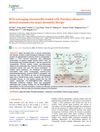
October 2025 in “Nano Research” In this study, researchers developed a dissolvable microneedle patch combining HA-TEMPO and Portulaca oleracea L.-derived nanoparticles, which effectively reduced oxidative stress and inflammation in an atopic dermatitis model while restoring immune balance, suggesting a promising treatment strategy.
May 2024 in “Journal of the Egyptian Womenʼs Dermatologic Society” This study suggests that DPCP treatment can be effective and safe for severe alopecia areata in children, with maintenance therapy potentially reducing relapse rates.
 March 2026 in “Preprints.org”
 This review suggests that the compound DRDE-07, originally a sulphur-mustard countermeasure candidate, could potentially be repurposed for skin protection due to its compatibility with pathways involved in oxidative stress and inflammation, though further experimental study is needed to confirm its therapeutic applicability in dermatology.

This study demonstrated that the differential wetting characterization (DWC) method can effectively differentiate changes in the wetting properties of hair fibers after chemical or physical treatment.
 1 citations
,
January 2024 in “Curēus”
1 citations
,
January 2024 in “Curēus” This case study reported significant clinical improvement in a 26-year-old male with dissecting cellulitis of the scalp after treatment with upadacitinib, suggesting that JAK inhibitors may be a promising option for refractory cases, where standard treatments have limited success.
7 citations
,
August 2021 in “Pharmaceutics” This study explored the use of dexamethasone-loaded polymer hybrid nanoparticles in a xanthan gum hydrogel for treating alopecia areata, finding that freeze drying with sucrose influenced particle size, release, and permeation, but had no impact on cytotoxicity or anti-inflammatory efficacy in human keratinocytes.
45 citations
,
July 2025 in “Journal of Medicinal Chemistry” This article discusses the development and clinical progress of PROTAC technology, particularly focusing on the New Drug Application for vepdegestrant, an estrogen receptor-targeting PROTAC, marking significant advancements in targeted protein degradation therapies.
 May 2024 in “Nano letters”
 This study developed a quercetin-encapsulated and polydopamine-integrated nanosystem that reshapes the perifollicular microenvironment, showing potential for rescuing hair follicle viability and regenerating hair follicles in androgenic alopecia by scavenging reactive oxygen species and promoting angiogenesis.
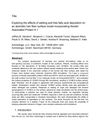
This study used molecular dynamics simulations to illustrate the complex molecular behavior of the hair surface F-layer, highlighting how fatty acids interact with 18-MEA under different conditions.
52 citations
,
May 2006 in “Journal of Structural Biology” This study identified two key pentapeptide quasi-repeats in human keratin-associated proteins, which are similar to motifs found in sheep wool.