 April 2023 in “Journal of Investigative Dermatology”
 This study suggests that the CsA-induced inactivation of the CaN/NFAT pathway may suppress TGF-β2 expression in dermal papilla cells, potentially contributing to CsA-associated hypertrichosis.
February 2006 in “PubMed” In this study, docetaxel combined with prednisone significantly extended survival by about 2.5 months in men with hormone-resistant metastatic prostate cancer compared to mitoxantrone plus prednisone, despite the potential for severe adverse effects.
 April 2007 in “Nature Clinical Practice Urology”
 TICE salvage chemotherapy is effective for treating germ-cell tumors with poor prognosis.
 November 2025 in “Eurasian journal of applied biotechnology”
 In this study, combining L-cysteine and N-acetylcysteine with MET inhibition enhanced cytotoxicity in cancer cell lines by sensitizing them to MET inhibition through redox stabilization, suggesting a promising approach for improving MET-targeted cancer therapies without additional oxidative or chemotherapeutic stress.
April 2019 in “The journal of investigative dermatology/Journal of investigative dermatology” This study suggests that stimulating olfactory receptors in human hair follicles with Sandalore® increases antimicrobial activity by upregulating dermcidin production, potentially offering a novel approach for treating hair follicle diseases with bacterial issues.
 79 citations
,
January 1982 in “The American Journal of Medicine”
79 citations
,
January 1982 in “The American Journal of Medicine” This study reports that VP-16-213 (etoposide) shows significant therapeutic activity in several cancers including small cell bronchogenic carcinoma and certain leukemias, with hematologic toxicity being the primary side effect.
28 citations
,
September 2014 in “Journal of Veterinary Internal Medicine” This study found that the novel drug VDC-1101 showed a 45% objective response rate in treating canine cutaneous T-cell lymphoma, offering a potential treatment option for this challenging disease.
February 2020 in “Oncology Times” This article reviews antibody drug conjugates for cancer treatment, describing their mechanism, recent approvals, and ongoing research efforts, but reports no new clinical results.
1 citations
,
October 2025 in “Gels” This study demonstrates that pH-responsive nanogels designed with comb-like anionic polymers significantly improved oral delivery of the chemotherapy drug camptothecin, enhancing drug stability in acidic conditions and release in the intestines, with increased cellular uptake and cytotoxic effects against colorectal carcinoma cells.
 May 2023 in “Research Square (Research Square)”
 This study found that botulinum toxin type A may reduce apoptosis in dermal papillary cells induced by dihydrotestosterone through the circ_0135062/miR-506-3p/Bax axis.
 May 2025 in “Journal of Inflammation Research”
 In this case report, a 28-year-old Chinese man with severe dissecting cellulitis of the scalp experienced nodules resolution and hair regrowth after treatment with ixekizumab and tofacitinib, marking the first reported use of this drug combination for the condition.
2 citations
,
October 2025 in “Antimicrobial Agents and Chemotherapy” This study found that cepharanthine may be a promising treatment for enterovirus infections, as it offered full protection to mice against lethal EV71 challenges and reduced viral titers and pathology.
 41 citations
,
December 2015 in “JAMA Dermatology”
41 citations
,
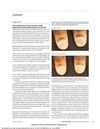
December 2015 in “JAMA Dermatology” Tofacitinib citrate improved nail dystrophy and pain in patients with alopecia universalis without causing side effects.
 2 citations
,
April 2017 in “Molecular Medicine Reports”
2 citations
,
April 2017 in “Molecular Medicine Reports” In this study, blocking autophagy with 3-methyladenine significantly improved the survival of inner ear hair cells in a gentamicin-induced ototoxic mouse model.
67 citations
,
September 2001 in “American Journal Of Pathology” This study found that overexpression of the enzyme ornithine decarboxylase in transgenic mice led to UVB-induced skin tumors, but this was prevented by the ODC inhibitor α-difluoromethylornithine.
 12 citations
,
December 1987 in “Cancer Chemotherapy and Pharmacology”
12 citations
,
December 1987 in “Cancer Chemotherapy and Pharmacology” Vitamin E in the diet might help protect against hair loss caused by the chemotherapy drug doxorubicin in rabbits.
 March 2008 in “Aging health”
 This research reported that docetaxel is generally safe and effective for elderly patients with solid tumor malignancies, showing no significant age-related differences in efficacy or toxicity.
6 citations
,
June 1983 in “Cancer” This study found that a chemotherapy regimen combining CMFVP and ACP treatments for unresectable metastatic breast cancer yielded a 66.7% overall response rate, with premenopausal women responding more favorably than postmenopausal women.
 7 citations
,
April 2006 in “Experimental Neurology”
7 citations
,
April 2006 in “Experimental Neurology” Finasteride blocks deoxycorticosterone's anticonvulsant effects in infant rats, but indomethacin doesn't.
 February 2024 in “Curēus”
 This case report describes an 83-year-old man who developed focal neurotoxicity, including paralysis and pain, in the area treated with topical 5-fluorouracil cream for actinic keratoses, suggesting a potential neurotoxic risk associated with the drug, especially in those with a specific genetic deficiency.
15 citations
,
July 2010 in “Journal of Allergy and Clinical Immunology” This study found that in mouse models, the novel NF-κB inhibitor DHMEQ improved symptoms of atopic dermatitis as effectively as tacrolimus or betamethasone.
95 citations
,
September 2019 in “Brain” In this study, two patients with refractory juvenile dermatomyositis improved clinically and in disease activity after receiving the JAK inhibitor tofacitinib, showing potential effects in managing the condition.
June 2026 in “British Journal of Dermatology” This study reported that dermatological adverse events are common in patients treated with amivantamab for non-small cell lung cancer, often impacting quality of life and requiring treatment modifications.
 August 2026 in “International Journal of Molecular Sciences”
 This study found that Atractylodes macrocephala Koidz. extract promotes anagen entry and hair regrowth by enhancing dermal papilla cell activity and supporting hair cycle progression in a mouse model.
1 citations
,
February 2025 in “Skin Health and Disease” In this case study, a 39-year-old Japanese woman with severe alopecia areata demonstrated complete hair regrowth after one year using a combination of 0.5% delgocitinib ointment and excimer laser, suggesting potential efficacy and safety compared to conventional treatments.
6 citations
,
July 2015 in “JAAD Case Reports” This study describes a case of erlotinib-induced alopecia, unresponsive to traditional corticosteroid treatments, that was successfully managed with doxycycline, suggesting a novel approach for EGFR inhibitor-associated alopecia.
 July 2021 in “Clinical case reports and studies”
 In this case report, a 9-year-old boy with diffuse alopecia areata showed improvement with topical diphencyprone immunotherapy, suggesting it as a safe and effective treatment option in pediatric cases of alopecia areata resistant to other therapies.
67 citations
,
February 2022 in “International Journal of Molecular Sciences” This study developed a nanofiber wound dressing combining ciprofloxacin and tetracycline hydrochloride, which demonstrated strong antibacterial activity against E. coli and S. aureus and showed good biocompatibility with human skin fibroblast cells, indicating significant potential for wound healing applications.
2 citations
,
April 2022 in “Nusantara Bioscience” This study proposes a quick and sensitive method for detecting vancomycin using modified silver nanoparticles and shows promising results against Gram-positive and Gram-negative bacteria.
 December 2015 in “Journal of skin and stem cell”
 This study reports three cases where patients treated with topical 3% diclofenac gel for scalp actinic keratosis also experienced hair growth in androgenetic alopecia-affected areas.