 May 2023 in “Research Square (Research Square)”
 This study identified 18 significant metabolites and two enriched metabolic pathways, necroptosis and ABC transporters, in serum samples of acne patients with and without insulin resistance, potentially aiding in the clinical diagnosis and drug development for these patients.
 1 citations
,
September 2022 in “Molecules”
1 citations
,
September 2022 in “Molecules” This review systematically summarizes the chemical components and pharmacological research on Fructus Malvae, aiming to enhance its development and application in traditional Chinese medicine; it reports no new clinical results.
 169 citations
,
June 2010 in “Molecular & cellular proteomics”
169 citations
,
June 2010 in “Molecular & cellular proteomics” This study suggests that ethylene and lignoceric acid (C24:0) may promote cotton fiber and Arabidopsis root hair growth by activating the pectin biosynthesis network.
 67 citations
,
February 2020 in “Journal of Ginseng Research”
67 citations
,
February 2020 in “Journal of Ginseng Research” This review evaluates and classifies the non-saponin components of Korean Red Ginseng, emphasizing their combined role with saponins in the plant's bioactivity, but reports no new clinical results.
 31 citations
,
January 2017 in “Phytotherapy Research”
31 citations
,
January 2017 in “Phytotherapy Research” This review reports on the traditional and ethnopharmacological uses of Ziziphus jujuba Mills, noting its increasing global popularity for treating various ailments, but highlights that its acceptance into the European Pharmacopoeia remains unresolved due to scientific and regulatory challenges.
 28 citations
,
May 2020 in “BMC plant biology”
28 citations
,
May 2020 in “BMC plant biology” This study concluded that GLCAT14A-C genes are crucial for the function of glucuronic acid transfer to AGPs in Arabidopsis, affecting various growth and reproductive traits such as seed germination and root hair growth.
 37 citations
,
March 2018 in “Trends in Plant Science”
37 citations
,
March 2018 in “Trends in Plant Science” This review discusses the role of reactive oxygen species in regulating oscillating apoplastic pH gradients and growth in plant root hairs and pollen tubes, reporting no new experimental results.
18 citations
,
May 2024 in “Pharmaceutics” This review discusses advances in drug delivery systems to enhance oleanolic acid's bioavailability and therapeutic potential but reports no new clinical results.
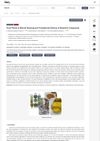
This review highlights the potential of plant-derived natural compounds as biocompatible and biodegradable materials in dermal and transdermal delivery systems, emphasizing their unexplored benefits and detailing recent advances in isolation techniques and drug delivery technologies.
14 citations
,
April 2023 in “International Journal of Molecular Sciences” In a study using female Wistar rats, the researchers found that a liquid allantoin-enriched pectin hydrogel significantly improved wound healing, achieving a 71.43% reduction in healing time and complete wound closure in 15 days.
16 citations
,
April 2025 in “Foods” This study highlights the diverse applications of *Perilla frutescens* in traditional medicine, cuisine, and industrial settings, noting its significant antioxidant and antimicrobial properties in experimental models, as well as research efforts to enhance its bioactive content and ensure safety and standardization.
4 citations
,
August 2025 in “Molecules” This study highlights the potential of medicinal plants like Rubus vulgaris and Plantago major as sources for skin disorder treatments due to their bioactive compounds' antioxidant, anti-inflammatory, and antimicrobial effects.
30 citations
,
August 2021 in “Journal of Ethnopharmacology” This review examines the phytochemistry, biological activities, and potential applications of Akebia species in medicine and cosmetology, highlighting the differences in chemical composition between A. quinata and A. trifoliata.
 19 citations
,
September 1995 in “Food and nutrition bulletin”
19 citations
,
September 1995 in “Food and nutrition bulletin” This article reviews the toxic effects of mimosine in Leucaena leucocephala and discusses various methods to mitigate its toxicity but presents no new findings.
 March 2026 in “Molecules”
 This review reports that Dang Gui (Radix Angelica sinensis) possesses bidirectional immunoregulatory effects, enhancing immune cell proliferation and function, and may benefit immune-related diseases such as cancer and anemia. It also evaluates regulatory and safety aspects, aiming to guide future research and clinical use.
 1 citations
,
January 2016 in “Springer briefs in molecular science”
1 citations
,
January 2016 in “Springer briefs in molecular science” This chapter reviews the chemistry and potential benefits of plant-based hair dyes in cosmetics, but it reports no new clinical results.
 December 2025 in “Frontiers in Veterinary Science”
 This study found that PT-LCG extends hair follicle activity and promotes continuous cashmere growth by enhancing lipid synthesis, remodeling the extracellular matrix, and modulating inflammatory signaling, offering insights into improving cashmere yield and quality through molecular breeding.
 March 2025 in “GSC Biological and Pharmaceutical Sciences”
 In this review, the authors examined the potential benefits of using wood tar in dermatology and cosmetics in Sub-Saharan Africa, based on its historical application in skin care and its worldwide usage.
 January 2026 in “The Eurasian Journal of Life Sciences”
 This review discusses recent advances in the development of electrospun pectin nanofibers for biomedical applications, highlighting strategies to improve their mechanical properties and biological functions and addressing challenges like material variability and regulatory issues.
 February 2024 in “Planta”
 This study found that TRM21 acts as a positive regulator of flavonoid biosynthesis at the translational level in Arabidopsis, leading to changes in root hair growth and a decrease in flavonoid content when TRM21 is mutated.
 13 citations
,
September 2012 in “Critical Reviews in Food Science and Nutrition”
13 citations
,
September 2012 in “Critical Reviews in Food Science and Nutrition” This review discusses the functional and nutraceutical importance of wheat straw, emphasizing its bioactive compounds and potential benefits, and reports no new experimental findings.
 67 citations
,
June 2018 in “Engineering in Life Sciences”
67 citations
,
June 2018 in “Engineering in Life Sciences” This review discusses advancements in plant cell culture technology for producing potent natural cosmetic ingredients and reports no new experimental results.
 67 citations
,
May 2018 in “Journal of Ginseng Research”
67 citations
,
May 2018 in “Journal of Ginseng Research” This paper highlights the need for a comprehensive red ginseng monograph to provide standardized information on its components, certified functionality, efficacy, action mechanisms, and safety, especially given its widespread use as a health functional food in South Korea and interest in its benefits worldwide.
 8 citations
,
July 2022 in “Frontiers in plant science”
8 citations
,
July 2022 in “Frontiers in plant science” This review outlines the current understanding of how pH contributes to root hair development and reports no new experimental findings.
 3 citations
,
February 2013 in “Journal of Medicinal Plants Research”
3 citations
,
February 2013 in “Journal of Medicinal Plants Research” This study found that both crude Spirulina extract and C-phycocyanin showed similar effects on keratinocyte proliferation and wound healing, with C-phycocyanin performing better in tissue regeneration in vivo on the 7th day.
 January 2025 in “International Journal of Pharmaceutical Research and Applications”
 In this research, topical gels using natural mucilages from okra and hibiscus were successfully formulated to deliver diclofenac diethylamine, with hibiscus mucilage at 10% showing the best performance as a gelling agent based on various physicochemical tests.
 April 2024 in “International Journal of Research Publication and Reviews”
 This source highlights that alopecia areata is a complex autoimmune disorder leading to patchy, nonscarring hair loss with variable treatment responses, reflecting unmet clinical needs. Advances in genetic research are improving understanding, yet current treatments often lead to persistent relapses.
 February 2024 in “Research Square (Research Square)”
 This study optimized the extraction process for abomasum protein from Tianshan red deer, identifying two proteins with anti-inflammatory and anti-tumor activities, suggesting they could be beneficial in foods and nutraceuticals.
 July 2023 in “bioRxiv (Cold Spring Harbor Laboratory)”
 This study reports that a low concentration of chitosan induces callose deposition and slows root hair growth in Arabidopsis, suggesting an evolutionary conservation of this response to mild biotic stress across plant types.
 October 2020 in “Journal of Ayurvedic and herbal medicine”
 In this study, Dheedhi Hair Care herbal shampoo significantly reduced hair fall and dandruff compared to a regular shampoo, with no reported side effects.