
This study found that lysine carboxymethyl cysteinate helps protect the epidermis from UVB-induced damage by activating autophagy and restoring cornification processes in a skin model.
1 citations
,
October 2025 in “Ulusal travma dergisi” In this animal study, combined cellular therapy significantly improved diabetic wound healing, and probiotics further enhanced these effects by reducing oxidative stress, apoptosis, and inflammation while promoting vascularization and collagen organization.
April 2026 in “Research Square” October 2025 in “Biomedical Materials” In this review, the authors examined the role of the extracellular matrix in cancer progression and highlighted how decellularization techniques are used to create biomimetic tumor models, discussing the potential for personalized and predictive cancer treatments using advanced biomaterials combined with AI and machine learning.
 5 citations
,
June 2022 in “Frontiers in immunology”
5 citations
,
June 2022 in “Frontiers in immunology” This study observed that expanding regulatory T cells in the skin of mice with alopecia areata did not reverse the condition, indicating that additional immunotherapy may be necessary.
 179 citations
,
October 2018 in “American Journal of Clinical Dermatology”
179 citations
,
October 2018 in “American Journal of Clinical Dermatology” This review outlines various dermatologic adverse events associated with targeted therapies and immunotherapies, emphasizing the need for collaboration between dermatologists and oncologists to manage these effects effectively; it reports no new clinical findings.
 155 citations
,
May 2016 in “Nature communications”
155 citations
,
May 2016 in “Nature communications” This study found that mouse skin CD4(+) memory T cells are in equilibrium with the circulation under steady state but increase in specific clusters in response to infection or inflammation.
7 citations
,
January 2025 in “Journal of Medicinal Chemistry” This study identified orally available itaconate derivatives that improve cellular permeability and bioavailability, with specific POC-based prodrugs showing significant inhibition of inflammatory cytokines in human epidermal keratinocytes and favorable oral pharmacokinetics, highlighting their potential for treating systemic and skin disorders.
1 citations
,
January 2024 in “ACS Medicinal Chemistry Letters” This Patent Highlight discusses recent progress in developing TYK2 inhibitors, which show potential for treating conditions like cancer, alopecia areata, and psoriatic arthritis.
2 citations
,
October 2024 in “Artificial Cells Nanomedicine and Biotechnology” This study found that silver nanoparticles synthesized using Lens culinaris extract exhibited potent anticancer activity against MCF-7, HCT-116, and HepG2 cell lines and significant antimicrobial effects against Klebsiella pneumoniae and Acinetobacter baumannii.
 3 citations
,
February 2005 in “Lung Cancer”
3 citations
,
February 2005 in “Lung Cancer” The new chemotherapy combination for advanced lung cancer showed a 35.7% response rate but caused significant side effects.
 April 2017 in “Journal of Dermatological Science”
 This study found that B cells have dual roles in tumor immunity, with regulatory B cells potentially hindering immune responses against tumors in the melanoma mouse model.
 58 citations
,
April 2012 in “Journal of the American Academy of Dermatology”
58 citations
,
April 2012 in “Journal of the American Academy of Dermatology” Graft-versus-host disease is a complication where donor immune cells attack the recipient's body, often affecting the skin, liver, and gastrointestinal tract.
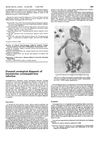 39 citations
,
June 1982 in “The BMJ”
39 citations
,
June 1982 in “The BMJ” Blood tests confirmed a baby in the womb had a CMV infection.
 1 citations
,
December 2019 in “Acta Medica Medianae”
1 citations
,
December 2019 in “Acta Medica Medianae” This article discusses connubial contact dermatitis, emphasizing its frequent misrecognition and the importance of identifying and eliminating the underlying causes for effective treatment.
 90 citations
,
January 1979 in “International review of cytology”
90 citations
,
January 1979 in “International review of cytology” This chapter reviews the complexity of hair and wool follicle formation, emphasizing the importance of cytological studies to understand the relationship between cellular components.
33 citations
,
May 2017 in “Journal of Clinical Oncology” This phase I study reported that ETC-159, targeting Wnt signalling, showed tolerable safety profiles at doses that inhibit its pathway, though bone turnover markers increased, warranting early and regular monitoring. No tumor responses were observed, but two patients achieved stable disease for several cycles.

In this study, researchers evaluated 27 drugs for antifungal activity against Cryptococcus strains and found that some antiparasitics and antidepressants showed potential by reducing fungal growth and capsule size, with particular enhancements when combined with fluconazole.
April 2021 in “The journal of investigative dermatology/Journal of investigative dermatology” This study found that CTCF is crucial for proper skin and hair follicle development in mice, affecting keratinocyte differentiation and gene expression in keratin loci.
July 2025 in “Journal of Investigative Dermatology” Enhancing Tregs can protect against alopecia areata.
April 2016 in “The journal of investigative dermatology/Journal of investigative dermatology” This study found that combining UVB irradiation with anti-CD154 antibody improves the survival of hair follicle allografts in a humanized mouse model, suggesting a synergistic effect for allogeneic hair transplantation.
 53 citations
,
May 2001 in “The American journal of the medical sciences”
53 citations
,
May 2001 in “The American journal of the medical sciences” This article reviews common skin eruptions in chemotherapy patients and discusses how recognizing these patterns can help avoid unnecessary changes to cancer treatment; it reports no new clinical results.
1 citations
,
December 2012 in “Journal of dermatological science” This study introduces ficlatuzumab, an anti-HGF monoclonal antibody, in combination with gefitinib in a phase 2 trial to address EGFR TKI resistance in Asian NSCLC patients.
 June 2022 in “Organic communications”
 This study explores potential treatments for post COVID-19 complications using natural substances through molecular docking, but reports no new clinical results and existing treatments remain limited to prophylaxis and therapeutics.
 29 citations
,
December 2017 in “Molecular therapy”
29 citations
,
December 2017 in “Molecular therapy” This study found that enzyme replacement therapy in mice with a severe form of classical homocystinuria improved metabolic patterns and alleviated many clinical symptoms.
17 citations
,
May 2023 in “Pharmaceutics” This review highlights the potential of microneedles for immunotherapy, emphasizing their ability to enhance immune responses and reduce side effects through precise and stimuli-responsive delivery, especially in tumor treatment, while also noting the limitations and areas for improvement in current systems.
3 citations
,
October 2012 in “DOAJ (DOAJ: Directory of Open Access Journals)” In this study, pemetrexed combined with cisplatin for advanced NSCLC treatment had similar efficacy to gemcitabine but resulted in significantly fewer adverse reactions.
 4 citations
,
December 2013 in “Veterinární medicína”
4 citations
,
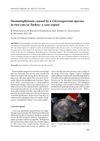
December 2013 in “Veterinární medicína” In this report, two Persian cats and their owner with low immunity due to chemotherapy were identified with a rare dermatophytic infection caused by Chrysosporium spp., and the infection improved following fluconazole treatment.
 36 citations
,
June 2019 in “eLife”
36 citations
,
June 2019 in “eLife” This study introduces MicrobeFDT, a tool that clusters chemically similar compounds and links them to gut microbial enzymes and toxicities, demonstrating its utility by uncovering previously unknown metabolism of the cancer drug altretamine.
26 citations
,
June 2024 in “Frontiers in Immunology” The authors discussed that SOCS1 and SOCS3's inhibition of JAKs plays a significant role in the development of JAK inhibitor drugs for skin inflammatory diseases and malignancies.