 March 2026 in “Frontiers in Pharmacology”
 This study reviews new treatments for androgenetic alopecia, including cell-derived exosomes and investigational drugs, which show potential to improve hair density and quality but require more rigorous and standardized trials to confirm efficacy and safety.
 March 2026 in “International Journal of Pharmaceutical Research and Development”
 This study describes the development of a herbal oil formulated to promote hair growth, incorporating various herbs such as Murraya koenigii and Panax ginseng, and assesses its properties including viscosity and pH levels.
 February 2026 in “Dermatology and Therapy”
 This narrative review found that while AI-based tools in dermatology, particularly for hair disorder assessment, have potential to enhance clinical practice by improving objectivity and personalization, they currently serve mainly a complementary role and face challenges like methodological limitations and data bias.
 February 2026 in “Frontiers in Medicine”
 This review discusses strategies to identify, prevent, and manage complications in FUE and reports no new clinical results.
 January 2026 in “Frontiers in Pharmacology”
 This review highlights the potential of wedelolactone from the plant Wedelia Chinensis, summarizing its reported pharmacological effects, including anti-inflammatory, antiviral, antibacterial, antitumor, anti-osteoporosis activities, and organ protection based on existing in vitro and in vivo research findings.
 January 2026 in “Microsystems & Nanoengineering”
 This study analyzed 853 articles to reveal that research on silica-based nanobiomaterials in regenerative medicine has rapidly increased, with distinct regional differences in impact and emerging focus areas in drug delivery and wound healing.
 January 2026 in “Nature Communications”
 This study presented a new wearable textile-based device with near-infrared OLEDs that significantly reduced cell aging markers and improved cell migration in vitro, suggesting it as a promising, non-invasive phototherapy option for hair follicle treatment and hair-loss management.
 January 2026 in “Journal of Emerging Technologies and Innovative Research”
 This study reported that zinc oxide nanoparticles synthesized using Tridax procumbens leaf extract demonstrated significant antibacterial and anticancer activity, showing potential for applications in biomedical and pharmaceutical fields.
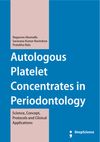
In this book, the authors provide an accessible overview of platelet concentrates and their dental applications, highlighting their role in tissue healing and regeneration, and reviewing recent studies on their efficacy in periodontal therapy, implant dentistry, and oral surgery.
 November 2025 in “Frontiers in Oncology”
 This study found that Si extract, cryptomeridiol, and SiAgNPs have the ability to induce cell death and prevent cell growth in HepG2 liver cancer cells, suggesting cryptomeridiol's potential as a phytochemical component in developing new therapies for hepatocellular carcinoma using nanotechnology in vitro.
 November 2025 in “Journal of Medicine and Health Technology”
 In this study, researchers found that none of the participants were color blind and reported varying lengths of index and ring fingers among them, exploring a possible link between these finger length ratios and sex-influenced gene expression.
 July 2025 in “Scientific Reports”
 In this study, researchers explored drug repurposing as a potential strategy for treating psoriasis and identified Pioglitazone, Trimipramine, and Dimetindene as promising candidates for this indication, based on molecular docking and predictive algorithms.
 January 2025 in “Nanotechnology Reviews”
 This study reported a green synthesis method for copper oxide nanoparticles using pumpkin seed extract, achieving significant antibacterial activity against Bacillus subtilis and moderate cytotoxic effects against certain cancer cell lines, indicating potential biomedical applications for these eco-friendly nanomaterials.
 March 2024 in “GSC Advanced Research and Reviews”
 This study observed that exposure to different wavelengths of light affects opsin and clock gene responses in skin cells, suggesting potential therapeutic approaches using photobiomodulation for dermatological conditions like psoriasis and wound healing.
 February 2024 in “Bangladesh pharmaceutical journal”
 This study measured the amounts of thiamine and riboflavin in Bogura's Geographical Indication branded yogurt and whey, finding them rich in these vitamins, which are beneficial for health.
 January 2024 in “Regenerative Biomaterials”
 This review introduces the potential of metal-organic framework-based functional composite materials in tissue engineering but reports no new results, emphasizing the need for further innovation in the field.
 September 2023 in “Asian journal of beauty & cosmetology”
 In this review paper, the authors explored the composition and role of lipids in human hair, highlighting their importance for hair texture, moisture retention, and tensile strength, while noting that the understanding of hair lipids' functions remains controversial and requires further research.
 September 2023 in “HAL (Le Centre pour la Communication Scientifique Directe)”
 In this study, peptide-based nanoparticles were successfully used to deliver the CRISPR-Cas9 system into cancer cells, effectively targeting and editing KRAS mutations, suggesting promising therapeutic potential for cancer treatment.
 January 2023 in “Pakistan Armed Forces Medical Journal”
  January 2023 in “Czech Journal of Animal Science”
 This study found that down and guard hairs of Inner Mongolia Cashmere Goats have distinct protein compositions and physical properties, with keratin-related proteins potentially influencing these differences.
 October 2022 in “Journal of experimental and clinical medicine”
 This review covers the potential of repurposing existing drugs for treating COVID-19 and updates on virus- and host-targeting drug candidates, reporting no new experimental results.

This study demonstrated that cryogelation of human hair keratin allows the development of 3D scaffolds with tunable properties, supporting cell adhesion and proliferation for potential biomedical applications.

This Ph.D. project aims to evaluate the self-assembling potential of hair keratin extracts and study the cellular response to both crude and purified keratins, highlighting their potential applications from biomedical to water remediation.
 January 2020 in “Research Portal Denmark”
 This study concludes that anti-androgenic chemicals causing short anogenital distance in male fetuses also induce a feminized transcriptional profile in the perineum, implicating Wnt and estrogen signaling in the process.
This reference list, part of a book by Alex Gough, Alison Thomas, and Dan O'Neill, compiles citations from veterinary journals on various canine and feline health issues, but reports no new research findings.
 January 2017 in “Clinical approaches and procedures in cosmetic dermatology”
 This review explores the role of advanced glycation end products in skin aging and their interaction with oxidative stress, but reports no new clinical findings.
 February 2015 in “Journal of Biomedical Materials Research Part B: Applied Biomaterials”
 This study suggests that 4-META resin may be more effective than cyanoacrylate for promoting wound healing in rats, as the wounds were covered by epithelial tissue faster with 4-META resin.
 January 2012 in “Durham e-Theses (Durham University)”
 This study found that knock-down of keratin 15 in various cell lines affected cell spreading, morphology, migration, differentiation, and proliferation, suggesting its role in maintaining the stem cell nature of keratinocytes.
 January 2006 in “Carl von Ossiezky University of Oldenburg”
 This study observed that unpigmented keratinocytes saturate quickly with foreign substance uptake compared to pigmented melanocytes, where melanin significantly enhances binding.
This study found that structural changes in the stroma surrounding hair follicles and skin laxity are associated with the appearance of large pores, regardless of ethnicity or age.