 13 citations
,
June 2018 in “Dermatopathology”
13 citations
,
June 2018 in “Dermatopathology” This classification proposal introduces a novel system for categorizing cutaneous adnexal cysts based on their origin in the folliculosebaceous unit and sweat glands, aiming to simplify and enhance understanding of these skin lesions.
 12 citations
,
January 2009 in “Journal of Oleo Science”
12 citations
,
January 2009 in “Journal of Oleo Science” The researchers reported that sterol surfactants with a bulky planar structure effectively solubilized ultraviolet ray absorbers, offering a stable solution more efficiently than other surfactants.
 9 citations
,
May 1989 in “Journal of the Royal Society of Medicine”
9 citations
,
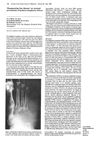
May 1989 in “Journal of the Royal Society of Medicine” An elderly woman's swollen, painful foot was found to be caused by a rare type of bone lymphoma, which improved with radiation treatment.
 8 citations
,
August 2020 in “Experimental dermatology”
8 citations
,
August 2020 in “Experimental dermatology” This study observed that platelet-rich plasma samples from female patients show significant variability in growth factor secretion, which may influence the inconsistent clinical response in alopecia treatment.
 8 citations
,
February 2019 in “Scientific Reports”
8 citations
,
February 2019 in “Scientific Reports” This article describes the immunofluorescence tomography method to achieve high-resolution 3-D reconstruction of epithelial tissues and reports no clinical results.
 6 citations
,
October 2017
6 citations
,
October 2017 This review summarizes the antioxidant and anticarcinogenic properties of Indian Gooseberry, its phytochemical composition, and its use in traditional Ayurvedic medicine, but reports no new clinical results.
 4 citations
,
May 2019 in “Journal of The European Academy of Dermatology and Venereology”
4 citations
,
May 2019 in “Journal of The European Academy of Dermatology and Venereology” Hair loss treatment caused more hair loss in a man.
 3 citations
,
September 2018 in “MOJ Toxicology”
3 citations
,
September 2018 in “MOJ Toxicology” This review discusses the medicinal properties of Alpinia zerumbet Roxb. and highlights its potential for further research, but provides no new clinical results.
 2 citations
,
December 2019 in “ABCS Health Sciences”
2 citations
,
December 2019 in “ABCS Health Sciences” This case report found that topical Minoxidil was effective and safe in achieving complete hair regrowth for patients experiencing partial or total alopecia during chemotherapy, with no adverse effects observed after three months of treatment.
 2 citations
,
October 2016
2 citations
,
October 2016 This article discusses the range of skin-related side effects caused by chemotherapy and radiotherapy, including novel patterns emerging with targeted therapies, but does not report new clinical results.
 2 citations
,
March 2014 in “Veterinary World”
2 citations
,
March 2014 in “Veterinary World” This study characterized the hair follicle patterns of Indian bison, Black buck, and Nilgai, providing valuable data to help identify these endangered species' skins, commonly targeted by poachers.
 1 citations
,
August 2023 in “bioRxiv (Cold Spring Harbor Laboratory)”
1 citations
,
August 2023 in “bioRxiv (Cold Spring Harbor Laboratory)” This study explores ear pinna development in mice and reports that elastic cartilage formation is disrupted in a short ear mutant, correlating with increased adult adipocytes and impaired chondrogenesis.
 1 citations
,
November 2022 in “Frontiers in medicine”
1 citations
,
November 2022 in “Frontiers in medicine” This study found differences in melanin content and gene expression in skin under black and white hair of giant pandas, providing a basis for further research on hair color distribution and skin diseases.
 1 citations
,
September 2022 in “Anatomía Digital”
1 citations
,
September 2022 in “Anatomía Digital” In this study, topical application of Neem oil on cats with dermatophytosis significantly improved the appearance of skin and fur, with the best results occurring after 15 to 20 consecutive days of treatment.
 1 citations
,
January 2017 in “Springer eBooks”
1 citations
,
January 2017 in “Springer eBooks” The document explains how hair follicles develop, their structure, and how they grow.
 1 citations
,
February 2014 in “Revista de investigaciones veterinarias del Perú”
1 citations
,
February 2014 in “Revista de investigaciones veterinarias del Perú” This case study describes a Lop male rabbit with Malassezia-associated dermatitis, initially treated with griseofulvin but requiring ketoconazole for complete recovery after recurrence.
 1 citations
,
January 2014 in “The Journal of Dermatology”
1 citations
,
January 2014 in “The Journal of Dermatology” This letter discusses a case of Hepatitis C-related vitiligo in a patient with Ivemark syndrome and presents no new clinical results.
 February 2026 in “Diabetes Metabolic Syndrome and Obesity”
 This study identified a higher basal metabolic rate as an independent and causally relevant risk factor for nonalcoholic fatty liver disease in the Chinese population, noting that sex-specific effects may require tailored management strategies.
 November 2025 in “Frontiers in Nutrition”
 This study observed that in individuals with stroke, the GNRI has a significant negative association with FI and FISI, mediated by the SII index and OBS, suggesting the importance of anti-inflammatory and antioxidant strategies to reduce FI risk.
 July 2025 in “International Journal of Dermatology Venereology and Leprosy Sciences”
 This review reports that the human amniotic membrane has promising regenerative, anti-inflammatory, and antimicrobial properties, suggesting its potential for innovative clinical applications in dermatology, such as wound healing and psoriasis treatment, as well as aesthetic uses like skin rejuvenation and hair regeneration.
 May 2024 in “SPIRE - Sciences Po Institutional REpository”
 This study reviewed existing literature to provide comprehensive insights into diagnosing and managing alopecia areata, emphasizing the importance of understanding its classification, etiology, and the diverse treatment options available for improved patient care.
 March 2024 in “Asian journal of beauty & cosmetology”
 In this study, Derma Genie™-H001 was shown to reduce inflammation, counteract oxidative and UVB-induced damage, and support hair growth-related gene expression in human dermal papilla cells, suggesting its potential as a functional cosmetic ingredient to alleviate hair loss symptoms.
 January 2024 in “Pharmacophore”
 This source discusses the potential of integrating herbal extracts with nanotechnology in skincare products, highlighting improved effectiveness and targeted delivery of active ingredients to skin cells compared to traditional formulations.
 June 2023 in “Juan Cuevas eBooks”
 This volume is part of a series intended to educate plastic and reconstructive surgeons, residents, and other medical professionals, but the abstract does not report specific research findings.
 September 2022 in “Research Square (Research Square)”
 This study found that mammary resident macrophages regulate mammary epithelium cell division and development, with implications for maintaining mammary stem cell activity and homeostasis.
 April 2021 in “MEDICINUS”
 This case report describes a 5-year-old boy with acquired acrodermatitis enteropathica and normal serum zinc levels, improving clinically after zinc supplementation.
 October 2020 in “Revista médica sinergía/Revista médica sinergia”
 This review discusses the multifactorial nature of alopecia areata, noting its association with other autoimmune diseases, and highlights Janus kinase inhibitors as a new treatment option under investigation, but reports no clinical results.
 June 2020 in “Acta Scientific Otolaryngology”
 This case study presents a patient with male-pattern alopecia who received PRP treatment with calcium chloride after ruling out other potential causes.
 June 2018 in “Journal of evolution of medical and dental sciences”
 In this study, polycystic ovarian disease was identified as a prevalent chronic endocrinopathy among women of reproductive age, with common dermatological symptoms such as hirsutism, acne, and androgenic alopecia.
 March 2015 in “Plastic and reconstructive surgery”
 This chapter reviews the skin's structure and its clinical relevance, highlighting connective tissue diseases and the potential for novel treatments like protein, cell, or stem cell transfer, but reports no new findings.