 2 citations
,
April 2022 in “Cutaneous and Ocular Toxicology”
2 citations
,
April 2022 in “Cutaneous and Ocular Toxicology” This systematic review reports promising efficacy and safety of Tofacitinib for treating Alopecia Areata in children, though further randomized studies are needed due to the low quality of existing evidence.
 April 2024 in “BMB Reports”
 This study used Cisd2 knockout mice models and found that these mice display premature aging characteristics and an increase in dysfunctional neutrophils, suggesting Cisd2's role in calcium homeostasis and neutrophil function via interactions with Calnexin and SERCA.
 18 citations
,
December 2014 in “Plastic surgery”
18 citations
,
December 2014 in “Plastic surgery” This study found that follicular unit transplantation is an effective and relatively safe treatment for cicatricial alopecia in Chinese patients, delivering satisfactory postoperative results.
 September 2024 in “Skin Appendage Disorders”
 This case report describes a 21-year-old woman with circumscribed alopecia areata incognita, who experienced a sustained positive response to treatment with oral tofacitinib after conventional treatments frequently failed to provide lasting effects.
1 citations
,
June 2021 in “Journal of Korean Medicine for Obesity Research” Corni Fructus extract may help manage benign prostatic hyperplasia by reducing prostate cell growth and inflammation.
 13 citations
,
March 2002 in “Pediatric Dermatology”
13 citations
,
March 2002 in “Pediatric Dermatology” This article discusses temporal triangular alopecia, emphasizing the need for increased awareness to prevent misdiagnosis and ineffective treatment, but reports no new clinical results.
July 2026 in “Nature Communications” This study used spatial transcriptomics to investigate T cell-hair follicle interactions in cutaneous lupus erythematosus across mice, dogs, and humans, finding that CXCR3+ T cells and B cells are enriched in lesional skin, with implications for potential therapeutic targets.
June 2025 in “Journal of Cutaneous Medicine and Surgery” 33 citations
,
September 1990 in “Proceedings of the National Academy of Sciences” This study found that a 671-base pair promoter sequence from the ultra-high-sulfur keratin gene is sufficient to direct tissue-specific and development-specific expression of a reporter gene during hair growth in transgenic mice.
15 citations
,
January 2012 in “International journal of trichology” This study found that the HairCheck® device, demonstrating high correlation between its Hair Mass Index and hair characteristics such as strand number and diameter, may be an effective tool for assessing hair mass changes in alopecia patients.
 100 citations
,
March 2006 in “Journal of biological chemistry/The Journal of biological chemistry”
100 citations
,
March 2006 in “Journal of biological chemistry/The Journal of biological chemistry” This study found that cystatin M/E strongly inhibits human cathepsin V and cathepsin L via distinct non-overlapping sites, suggesting an important role in human epidermal differentiation and hair follicle morphogenesis.
21 citations
,
March 2015 in “Neurological Sciences” This study reports that a novel frameshift mutation in the HTRA1 gene in a CARASIL pedigree led to reduced HTRA1 protein and increased TGF-β1 expression, potentially causing severe CARASIL and peripheral small arterial disease.
 December 2022 in “International journal of drug regulatory affairs”
 This review discusses the regulatory frameworks for cell and gene therapy products in the US, EU, and India, and highlights the growth and challenges in their clinical trial stages, but reports no new experimental outcomes.
October 2023 in “Lithuanian University of Health Sciences” This study investigated the TG5 gene polymorphism in Lithuanian beef cattle, finding that the CC genotype is associated with higher productivity traits, such as live weight and carcass weight, compared to other genotypes, and noted a statistically significant impact on these traits.
 October 2023 in “The American Journal of Gastroenterology”
 This case report describes chronic iron deficiency anemia in a patient with Cronkhite-Canada syndrome, highlighting the need for more data to guide treatment and cancer surveillance due to its rarity and mortality risk.
 10 citations
,
March 2015 in “Journal of dermatology”
10 citations
,
March 2015 in “Journal of dermatology” This case report describes a 12-year-old boy with severe skin scaling due to novel compound heterozygous null truncation mutations in the TGM1 gene, resulting in loss of transglutaminase 1 activity.
 June 2017 in “Journal of the American Academy of Dermatology”
 In this retrospective study, tofacitinib was found to be effective and well-tolerated for treating severe alopecia areata, with 77% of patients achieving a clinical response over 4-20 months, though results were more favorable for patients with less extensive hair loss.
32 citations
,
August 2016 in “Journal of the American Academy of Dermatology” This letter discusses congenital triangular alopecia (TTA), a non-scarring hair loss condition often seen in children, without reporting new clinical findings.
November 2025 in “The Journal of Immunology” This study found that CD80 expression in wound-activated hair follicle stem cells induces Foxp3 expression in effector T cells, facilitating wound repair by converting them into regulatory T cells.
 November 2022 in “bioRxiv (Cold Spring Harbor Laboratory)”
 This study found that conditional deletion of Mof in mice resulted in severe defects in skin development, including compromised epidermal differentiation and hair growth, leading to perinatal lethality.
This study found that mutations in the PADI3 gene, which is important for hair shaft formation, may contribute to central centrifugal cicatricial alopecia among patients.
 2 citations
,
November 2007 in “Hair transplant forum international”
2 citations
,
November 2007 in “Hair transplant forum international” This abstract introduces the concept of follicular units (FUs) in the human scalp but presents no new research findings.
 April 2023 in “Journal of Investigative Dermatology”
 This study found that mitochondrial dysfunction in T cells led to defective hair follicle stem cell function and premature skin aging signs in a mouse model.
This review examines the potential of CAR-T cell therapy as a transformative treatment for refractory autoimmune diseases, highlighting its mechanisms, clinical challenges, and promising strategies for precision immunotherapy despite issues like complex manufacturing and antigen escape.
 20 citations
,
September 2013 in “Anti-Cancer Drugs”
20 citations
,
September 2013 in “Anti-Cancer Drugs” In this study, PTH-CBD effectively prevented and partially reversed chemotherapy-induced alopecia in mice, with pretreatment offering a better cosmetic outcome compared to therapeutic administration after hair loss onset.
 39 citations
,
January 2019 in “Journal of the American Academy of Dermatology”
39 citations
,
January 2019 in “Journal of the American Academy of Dermatology” In this study, three children with severe alopecia treated with systemic tofacitinib showed significant hair regrowth, suggesting it may be a potential option for those unresponsive to conventional therapy.
 16 citations
,
August 2004 in “Tetrahedron”
16 citations
,
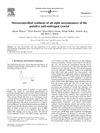
August 2004 in “Tetrahedron” In this study, all stereoisomers of cyoctol were synthesized and tested, revealing that contrary to initial patent claims, cyoctol does not function as an anti-androgen.
6 citations
,
December 2018 in “International Journal of Cosmetic Science” This study found that a highly resistant structure, located at the interface between the cuticle and cortex of human hair, acts as a penetration barrier, which the authors propose to name the "cuticle anchored resistant base" or CARB.
November 2025 in “Journal of Investigative Dermatology” Certain immune cells in atopic dermatitis skin could be targeted for treatment.
3 citations
,
October 1994 in “Journal of Dermatological Science” This study developed a novel monoclonal antibody, TYHF-1, which specifically reacts with hair keratins but not with epidermal keratins or various other tissue cells.