
In this case study, researchers reported the first documented instance of malignant transformation of congenital triangular alopecia into basal cell carcinoma in a 48-year-old woman, underscoring the importance of assessing long-standing alopecic areas for malignancy.
 January 2018 in “Elsevier eBooks”
 The document concludes that alopecia has various forms, each with specific treatments, but no definitive cure for certain types like CCCA has been proven.
 18 citations
,
February 2019 in “Scientific Reports”
18 citations
,
February 2019 in “Scientific Reports” This study found that TSA restored the hair-inductive capacity of skin-derived precursors in mice by enhancing BMP gene expression and signaling through histone acetylation.

This study investigated the mechanisms of Platycladi Cacumen in treating androgenetic alopecia, identifying potential key components and targets but found no specific targets or regulatory mechanisms.
 January 2025 in “International Journal of Dermatology Venereology and Leprosy Sciences”
 This study found that oral tofacitinib significantly reduced alopecia severity and improved quality of life over 12 months for children with moderate to severe alopecia areata, though the authors recommend more research due to the small sample size and absence of a control group.
 2 citations
,
February 2018 in “Journal of dermatology & cosmetology”
2 citations
,
February 2018 in “Journal of dermatology & cosmetology” This article discusses triangular temporal alopecia, highlighting dermoscopy's role in diagnosis and the limited therapeutic options, without reporting new clinical results.
 November 2024 in “Journal of the European Academy of Dermatology and Venereology”
 In this pilot study, cryotherapy using a device that precisely controls cooling duration improved hair regrowth for patchy alopecia areata when applied for 20 seconds with two freeze-thaw cycles, similar to standard triamcinolone acetonide injections, but not when applied for 10 seconds.
July 2025 in “International Journal of Trichology” This study reported that six out of seven pediatric patients with refractory patchy alopecia areata experienced significant hair regrowth after one month of oral tofacitinib treatment, suggesting it may be an effective and safe option, although larger studies are needed to evaluate long-term safety.
January 2005 in “Doctoral thesis, University of London.” In this study using transgenic mice, activating P-catenin signaling induced new hair follicle formation and maintained follicle tumors, with implications for understanding skin homeostasis.
6 citations
,
March 2020 in “Anais Brasileiros de Dermatologia” This study found that the genetic variants rs231775 and rs3087243 of the CTLA4 gene are not associated with alopecia areata in the Mexican population analyzed.
 108 citations
,
March 2011 in “Archives of Dermatology”
108 citations
,
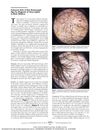
March 2011 in “Archives of Dermatology” Corkscrew hair may be a new sign for quickly diagnosing scalp fungus in black children.
 14 citations
,
January 2018 in “Endocrine”
14 citations
,
January 2018 in “Endocrine” This report describes a three-generation family with Cantú syndrome linked to a novel ABCC9 gene variant, featuring acromegaloid appearance and hypertrichosis without growth hormone abnormalities, and suggests a potential association with pituitary adenomas.
 June 2026 in “bioRxiv (Cold Spring Harbor Laboratory)”
 This study found that inhibiting the interaction between HOTAIR and EZH2 can block pro-fibrotic gene expression in fibroblasts and interfere with tissue remodeling in systemic sclerosis patient skin.
 January 2016 in “Human & Experimental Toxicology”
 This study reported that CCT oligodeoxynucleotide induced patchy hair loss in male mice with specific genetic traits, suggesting gender and genetic preferences in immune response.
 11 citations
,
November 2019 in “Clinical Case Reports”
11 citations
,
November 2019 in “Clinical Case Reports” This study highlights that while there are no FDA- or ANVISA-approved treatments for children with alopecia areata, JAK inhibitors are emerging as a promising therapeutic option for this population.
19 citations
,
June 2020 in “BMC Cancer” This study reported that genetic changes in trichilemmal carcinoma resemble those in other skin cancers, with TP53 mutations associated with aggressive clinical outcomes.
 7 citations
,
January 2009 in “Journal of Pharmacy Research”
7 citations
,
January 2009 in “Journal of Pharmacy Research” This study found that fractions of Tridax procumbens extract demonstrated significant antioxidant activity, comparable to standard ascorbic acid, in laboratory tests.
 24 citations
,
June 2012 in “BMC Research Notes”
24 citations
,
June 2012 in “BMC Research Notes” This study outlines the Human Gene Correlation Analysis tool, which classifies human genes by coexpression levels and identifies overrepresented annotation terms in correlated gene groups, with no new clinical results reported.
 February 2026 in “Indian Journal of Dermatology”
 This case report found that a 48-year-old woman with idiopathic twenty-nail dystrophy experienced significant improvement in nail appearance after six months of treatment with oral Upadacitinib.
 22 citations
,
January 1968 in “THE JOURNAL OF VITAMINOLOGY”
22 citations
,
January 1968 in “THE JOURNAL OF VITAMINOLOGY” This study found that α-tocopheryl acetate is well absorbed through healthy skin, with absorption occurring through specific pathways and showing high affinity for small blood vessels.
 November 2024 in “Polymers for Advanced Technologies”
 In this study, a hydrogel wound dressing infused with tannic acid demonstrated excellent antibacterial activity and promoted effective wound healing in rat burn models, leading to wound closure in 17 days and hair regrowth by day 21.
 November 2025 in “Archives of Dermatological Research”
 Using a higher concentration of triamcinolone acetonide leads to faster hair regrowth in scalp patchy alopecia areata.
This review discusses the potential conflicts of interest and quality concerns associated with direct-to-consumer teledermatology platforms and reports no new experimental results.
32 citations
,
August 2016 in “Science Signaling” This study developed PiSCES biosignatures that distinguished alopecia areata patients from controls, revealing enhanced basal TCR signaling and a potential disease-specific signaling network signature.
 April 2026 in “Preprints.org”
 This review discusses the potential of cold atmospheric plasma as a selective antitumor therapy for breast cancer but reports no clinical results, emphasizing its promise and the challenges to its use in precision oncology.
 2 citations
,
November 2017 in “Biotechnology Letters”
2 citations
,
November 2017 in “Biotechnology Letters” This study developed a high-throughput method that identifies bioactive chemicals influencing DHT production in prostate cancer cells, with potential nutraceutical candidates including fucoxanthin, phenethyl caffeate, and Curcuma longa L. extract.
 March 2023 in “Journal of Cosmetic Dermatology”
 This study suggests that capillarectasia, or dilation of scalp capillaries, may help distinguish COVID-19-associated telogen effluvium from classic acute telogen effluvium.
 10 citations
,
January 2011 in “Case reports in dermatological medicine”
10 citations
,
January 2011 in “Case reports in dermatological medicine” This report documented a successful and sustained hair restoration surgery using follicular unit transplantation for temporal triangular alopecia, lasting over six years.
3 citations
,
March 2016 in “Practical radiation oncology” This paper reviews total skin electron therapy for mycosis fungoides and reports no new results; the authors focus on dose de-escalation's impact on toxicity and response rates.
 April 2023 in “Journal of Investigative Dermatology”
 This study suggests that the CsA-induced inactivation of the CaN/NFAT pathway may suppress TGF-β2 expression in dermal papilla cells, potentially contributing to CsA-associated hypertrichosis.