 17 citations
,
November 2002 in “Australasian Journal of Dermatology”
17 citations
,
November 2002 in “Australasian Journal of Dermatology” This case report describes a 24-year-old woman with androgenetic alopecia who developed sensitivity to topical minoxidil and later to saw palmetto after using a minoxidil and retinoic acid preparation.
 16 citations
,
July 2013 in “Human & Experimental Toxicology”
16 citations
,
July 2013 in “Human & Experimental Toxicology” This study reports that complementary and alternative medicine is commonly used for dermatological diseases in Eastern Turkey, with 43.7% of patients using at least one method and various unconventional practices observed.
 16 citations
,
October 2009 in “Dermatology”
16 citations
,
October 2009 in “Dermatology” This study found that a cream containing spironolactone did not affect hair growth in hirsute women.
 16 citations
,
August 2003 in “Journal of The American Academy of Dermatology”
16 citations
,
August 2003 in “Journal of The American Academy of Dermatology” This preliminary study observed that topical nitrogen mustard was beneficial for only 1 out of 6 patients with extensive alopecia areata, with 4 patients not completing the trial.
16 citations
,
April 2000 in “Contact dermatitis” In this report, a 19-year-old Japanese man experienced severe and prolonged urticarial reactions following treatment with diphenylcyclopropenone for alopecia universalis, emphasizing the need for caution with potent sensitizers.
 14 citations
,
January 2014 in “Journal of Cutaneous and Aesthetic Surgery”
14 citations
,
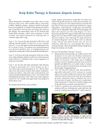
January 2014 in “Journal of Cutaneous and Aesthetic Surgery” Scalp Roller therapy helped improve hair growth in patients with hard-to-treat alopecia areata.
 14 citations
,
December 2010 in “Dermatologica Sinica”
14 citations
,
December 2010 in “Dermatologica Sinica” This article reviews recent advances and therapeutic approaches in treating alopecia areata, highlighting new potential treatments like pulse corticosteroid therapy, but reports no new research findings.
 14 citations
,
July 1987 in “Contact Dermatitis”
14 citations
,
July 1987 in “Contact Dermatitis” This article lacks an abstract and presents no new findings, primarily discussing topical minoxidil sensitization in androgenic alopecia.
 14 citations
,
January 1985 in “International Journal of Dermatology”
14 citations
,
January 1985 in “International Journal of Dermatology” The cause of alopecia areata was unknown, and while various treatments existed, no best treatment was agreed upon.
13 citations
,
March 2024 in “Cell Transplantation” This review highlights the need for improved methods in cosmetic safety assessment, emphasizing the potential of engineered skin tissue for more effective detection and toxicological evaluation of cosmetic products, compared to traditional methods.
13 citations
,
May 2009 in “Ozone Science and Engineering” This study found that while ozonized olive oil inhibited swelling in a mouse model of hypersensitivity, it also induced inflammatory responses and hair loss with repeated skin application, indicating potential adverse effects.
 12 citations
,
November 2003 in “Journal of the American Academy of Dermatology”
12 citations
,
November 2003 in “Journal of the American Academy of Dermatology” This study found hair regrowth in the majority of AA-affected mice and rats treated with diphencyprone, suggesting its potential utility for understanding human alopecia areata and the drug's therapeutic action.
11 citations
,
June 2013 in “PubMed” This study found that controlled thermal straightening can achieve irreversible smoothing of curly hair without chemicals, with effectiveness dependent on temperature and cycles, and silicone enhancing straightening quality.
 11 citations
,
May 2009 in “Actas Dermo-Sifiliográficas”
11 citations
,
May 2009 in “Actas Dermo-Sifiliográficas” This review discusses various therapeutic options for alopecia areata and reports no new clinical results; treatments may manage symptoms but do not cure the condition.
 10 citations
,
December 2015 in “International Journal of Molecular Sciences”
10 citations
,
December 2015 in “International Journal of Molecular Sciences” This study suggests that PDCD4 regulates keratinocyte proliferation and contact inhibition, playing a role in epidermal homeostasis and wound healing.
 10 citations
,
November 1984 in “Journal of Colloid and Interface Science”
10 citations
,
November 1984 in “Journal of Colloid and Interface Science” The study found that the Marangoni effect causes the uneven wetting of surfactant-coated hair due to the surfactant moving into the water.
 9 citations
,
December 2017 in “The Journal of Allergy and Clinical Immunology”
9 citations
,
December 2017 in “The Journal of Allergy and Clinical Immunology” This review discusses the evolution of alopecia areata treatments towards more targeted therapies and reports no new clinical results, emphasizing cooperation between clinicians and scientists in understanding the disease's pathophysiology.
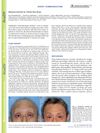 8 citations
,
August 2016 in “Acta dermato-venereologica”
8 citations
,
August 2016 in “Acta dermato-venereologica” Timolol eye-drops can cause hair loss.
 8 citations
,
February 2012 in “International Journal of Dermatology”
8 citations
,
February 2012 in “International Journal of Dermatology” This review discusses skin problems common among long-distance runners and outlines helpful treatments, without presenting new clinical results.
 8 citations
,
January 1989 in “Annual Reports in Medicinal Chemistry”
8 citations
,
January 1989 in “Annual Reports in Medicinal Chemistry” This chapter reviews treatments for alopecia areata and androgenetic alopecia but presents no new clinical findings, emphasizing the need for more effective and safe hair growth promoters.
 8 citations
,
April 1988 in “Journal of endocrinological investigation”
8 citations
,
April 1988 in “Journal of endocrinological investigation” This study found that topically administered spironolactone in healthy volunteers resulted in no detectable systemic absorption or changes in related hormone levels over 72 hours, indicating local effect only.
 6 citations
,
March 2015 in “Journal of The American Academy of Dermatology”
6 citations
,
March 2015 in “Journal of The American Academy of Dermatology” This article discusses the diagnostic challenges of evaluating hair and scalp conditions in patients using hair dye, emphasizing how dyes can mimic different pathologies and lead to contact dermatitis.
 6 citations
,
November 2007 in “Archives of Disease in Childhood: Education & Practice”
6 citations
,
November 2007 in “Archives of Disease in Childhood: Education & Practice” This review discusses common causes of alopecia in children, such as telogen effluvium and alopecia areata, and highlights diagnostic and therapeutic challenges, but presents no new clinical results.
 6 citations
,
September 1993 in “The Journal of Dermatologic Surgery and Oncology”
6 citations
,
September 1993 in “The Journal of Dermatologic Surgery and Oncology” This article suggests that using cyanoacrylate adhesives may improve the cosmetic appearance of hair transplants by preventing graft elevation or cobblestoning, though no new research data was reported.
 5 citations
,
January 2019 in “Skin appendage disorders”
5 citations
,
January 2019 in “Skin appendage disorders” This case report emphasizes that lipedematous scalp and lipedematous alopecia are not distinct diseases, highlighting the need to consider reversible causes of alopecia for effective treatment.
5 citations
,
December 2018 in “Annals of plastic surgery” In this report, seven burn patients developed hypertrichosis after undergoing pressure garment/silicone therapy intended to prevent hypertrophic scarring.
5 citations
,
June 2002 in “Clinical and Experimental Dermatology” This presentation reviews the management of alopecia areata, emphasizing treatment challenges and options, but reports no new clinical results.
4 citations
,
June 2013 in “PubMed” This study found that minoxidil in Espumil Foam Base remains stable for at least 90 days when stored at room temperature and protected from light.
4 citations
,
March 2007 in “Annales de Dermatologie et de Vénéréologie” This review discusses the adverse effects of hair care products, highlighting irritation dermatitis and allergic contact eczema due to common allergens like paraphenylenediamine and glycerol monothioglycolate, but reports no clinical results.
 4 citations
,
March 2002 in “Journal of the American Pharmaceutical Association”
4 citations
,
March 2002 in “Journal of the American Pharmaceutical Association” This review discusses various skin conditions affecting women throughout their lives and highlights the pharmacist's role in advising on management and treatment, but it reports no new clinical results.