18 citations
,
January 1988 in “Acta oncologica” This study found that retinol palmitate treatment in patients with stage Ia non-small-cell lung cancer may reduce cancer relapses, but longer follow-up is needed to confirm its efficacy.
78 citations
,
October 2003 in “Cochrane library” This review found that adding cyproterone acetate to estradiol showed a subjective improvement in hirsutism versus placebo, but comparisons with other therapies revealed no clinical differences.
 August 2014 in “Acta Crystallographica”
 This study found that the dissolution profiles of different finasteride polymorphs may affect the quality of finasteride capsules, highlighting the need for polymorphic quality control.
 15 citations
,
January 2022 in “Journal of Oleo Science”
15 citations
,
January 2022 in “Journal of Oleo Science” This study found that a phytosomal delivery system improved the bioavailability of Cuscuta reflexa extract compared to the plain extract, suggesting enhanced potential for this formulation.
1 citations
,
July 2008 in “PubMed” January 2026 in “Nutrición Hospitalaria” In this study, researchers identified significant signals indicating previously unrecognized risks of lipid metabolism abnormalities for several drugs, urging the need for better monitoring and label updates.
14 citations
,
August 2014 in “Journal of the American Academy of Dermatology” This study found that topical diphenylcyclopropenone is an effective treatment for extensive alopecia areata, with significant hair regrowth reported in most patients, though effectiveness varied with disease characteristics.
 January 2022 in “International Journal of Medical Sciences”
 This study investigated the effects of cedrol on colorectal cancer and found that it inhibited cell proliferation and induced cell cycle arrest and apoptosis in cell models, while in vivo, it suppressed cancer progression and improved survival at a well-tolerated dose.
 14 citations
,
August 2009 in “Cancer epidemiology”
14 citations
,
August 2009 in “Cancer epidemiology” This study found that AHCC significantly reduced alopecia caused by Ara-C in neonatal rats and improved liver function affected by 6-MP and MTX in mice.
 August 2024 in “Biomolecules & Therapeutics”
 In this study, the researchers reported that a newly developed PYGL inhibitor, HTPI, enhanced hair growth in an ex-vivo culture by reducing oxidative damage in hDPCs and inhibiting glycogen degradation in hORSCs, showing potential as a treatment for hair loss comparable to minoxidil.
 January 2017 in “Rasayan journal of Chemistry”
 This paper describes a new scalable synthesis method for Dutasteride, highlighting its potential for large-scale commercial production.
Ritlecitinib significantly regrows scalp hair in people with alopecia areata.
 November 2015 in “Clin-Alert”
 Some medications and supplements can cause serious side effects, including hair loss, heart rhythm problems, liver injury, and other health issues.
 3 citations
,
January 2006 in “Eclética Química”
3 citations
,
January 2006 in “Eclética Química” This study developed three spectrophotometric methods to effectively measure finasteride in bulk and tablet forms, providing accurate results that align closely with labeled claims.
 August 2021 in “Pediomaternal Nursing Journal”
 This study concluded that clomiphene citrate is generally preferred over metformin for inducing ovulation in obese women with PCOS, despite low-quality evidence indicating metformin may be superior to placebo for live births.
January 2017 in “SHILAP Revista de lepidopterología” Agomelatine might help reduce hair loss caused by valproate.
 6 citations
,
April 2017 in “Frontiers in Pharmacology”
6 citations
,
April 2017 in “Frontiers in Pharmacology” This study found that several compounds from Yangxue Shengfa capsule may promote hair growth by enhancing cell proliferation in vitro, suggesting potential use in treating androgenetic alopecia.
This study introduced Cadd4, a peptide-based degrader developed using computer-aided drug design, which effectively reduced PCSK9 levels and increased LDL receptor expression, resulting in decreased plasma cholesterol and LDL-C levels in hypercholesterolemic mice, without liver toxicity.
May 2025 in “CPT Pharmacometrics & Systems Pharmacology” This study examined the safety profile of ritlecitinib, a drug for alopecia areata, and found that it does not cause significant QTc prolongation or severe lymphopenia, with no unique safety risks expected in adolescents.
 52 citations
,
September 1996 in “Obstetrics & Gynecology”
52 citations
,
September 1996 in “Obstetrics & Gynecology” This study found that compliance rates for oral contraceptives are low and similar to those for other medical treatments, indicating a need for alternatives that require less daily adherence.
 April 2023 in “Dermatology practical & conceptual”
 This study observed that a tacrolimus solution (0.1%) applied to the scalp was effective and well-tolerated for treating inflammatory scalp conditions, with 72.7% of patients showing an excellent response after 2 months of treatment, which persisted after 6 months.
November 2025 in “Journal of Medicinal Chemistry” This review outlines advances in topical PROTACs for localized protein degradation, focusing on AH-001 and GT20029 for skin conditions, but presents no new clinical trial results.
65 citations
,
February 2011 in “Molecular cancer therapeutics” This study reported that the novel AKT inhibitor CCT128930 demonstrated significant antitumor activity in human cancer cell lines and xenografts, highlighting its potential as an anticancer therapy.
1 citations
,
January 2022 in “Journal of Cancer Therapy” In this study, Ocoxin used alongside chemotherapy may improve patients' tolerance to treatment and their quality of life without significant safety concerns, although further research is needed.
 April 2023 in “Neurology”
 This study examined treatments for emesis in young Alexander disease patients, finding that 95% responded positively to valproic acid, which was more effective than anti-reflux medications or cyproheptadine, though some adverse effects require monitoring.
 August 2025 in “ACS Omega”
 This study synthesized and evaluated hydroxycinnamate derivatives for their ability to inhibit human SRD5A1, finding that three compounds showed significant inhibitory activity and low cytotoxicity. Compound 10a notably reduced SRD5A1 protein expression in cells, suggesting potential for nonsteroidal treatment of androgen-related conditions.
22 citations
,
June 1991 in “Clinical Therapeutics” This study found that once-daily oxiconazole cream effectively treats tinea infections, achieving at least 80% cure rates, and shows comparable efficacy to other antifungal creams with similar tolerability.
October 2013 in “Urology Times eNews” The FDA approved using Cialis with Proscar for better treatment options.
 8 citations
,
January 2013 in “Medicinal chemistry”
8 citations
,
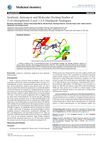
January 2013 in “Medicinal chemistry” This study reported that among 10 tested 2-(4-chlorophenyl)-5-aryl-1,3,4-oxadiazole compounds, compound 4c showed the highest activity against cancer cell lines, with a 95.37% average growth rate.
 8 citations
,
December 2018 in “Journal of Dermatological Treatment”
8 citations
,
December 2018 in “Journal of Dermatological Treatment” This study found that a PRP-like cosmetic product called TR-M-PRP plus significantly improved hair growth in individuals with alopecia areata over three months, as measured by the SALT score, suggesting it could be a safer alternative to traditional PRP treatments.