16 citations
,
September 2006 in “The Journal of Immunology” This study identified that mouse MILL1 and MILL2 are glycoproteins distinct from human MICA/B, primarily due to their association with β2-microglobulin and TAP-independent surface expression.
January 2019 in “Publisher” This study found that human basal cell and squamous cell carcinomas have distinct gene expression patterns, with specific up-regulation of zinc finger encoding genes in basal cell carcinoma.
5 citations
,
January 2016 in “Hair therapy & transplantation” In this study, miliacin combined with polar lipids significantly stimulated IGF1 production, increased the renewal of keratinocytes, and enhanced collagen thickness in a hair follicle model.
August 2023 in “Journal of the American Academy of Dermatology” CCCA affects Black men too, with a genetic link found in the PADI3 gene.
June 1996 in “Journal of Dermatological Science” 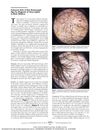 108 citations
,
March 2011 in “Archives of Dermatology”
108 citations
,
March 2011 in “Archives of Dermatology” Corkscrew hair may be a new sign for quickly diagnosing scalp fungus in black children.
 21 citations
,
January 2018 in “Anticancer Research”
21 citations
,
January 2018 in “Anticancer Research” This study suggests that NBCCS and BFHS may be the same genetic condition, which could help improve identification and management of misdiagnosed cases with specific surveillance strategies.
1 citations
,
September 2021 in “Frontiers in genetics” This case report identifies a previously undocumented nonsense mutation in DCAF17 in a Chinese patient with Woodhouse-Sakati syndrome, inherited from consanguineous parents.
26 citations
,
June 2024 in “Frontiers in Immunology” The authors discussed that SOCS1 and SOCS3's inhibition of JAKs plays a significant role in the development of JAK inhibitor drugs for skin inflammatory diseases and malignancies.
26 citations
,
April 2021 in “Materials & Design” This study found that composite chitosan nanofibers containing luminescent europium complexes can sensitively detect Cu2+ concentrations as low as 10 μmol/L, making them suitable for use in biological systems.
 67 citations
,
November 2019 in “Nature Communications”
67 citations
,
November 2019 in “Nature Communications” This study demonstrated that a c-Kit-CreER-driven mouse model confirms melanocyte stem cells as a genuine source of melanoma, paralleling human melanoma in heterogeneity and gene signatures.
June 2018 in “Chinese Journal of Dermatology” This study reported that connective tissue nevi show distinctive dermoscopic and RCM features, with RCM being particularly helpful for diagnosing lesions of less than one year in duration.
70 citations
,
February 2009 in “Biological Trace Element Research” 1 citations
,
May 2024 in “Journal of Dermatological Science” In this study, KC-AD-MSCs were found to increase COL7 deposition and anchoring fibril formation at the dermal-epidermal junction in a RDEB mouse model, suggesting potential for improving skin integrity in recessive dystrophic epidermolysis bullosa patients.
1 citations
,
May 2021 in “Research journal of topical and cosmetic sciences” This study observed that taking 500mg/day of Microcore’s Muttaijow ComplexTM for 12 weeks significantly improved the appearance of skin, hair, and nails in healthy middle-aged adults.
 December 2023 in “bioRxiv (Cold Spring Harbor Laboratory)”
 This research examined the transcriptional landscape of quiescent melanocyte stem cells (qMcSCs) in adult female mice, revealing significant heterogeneity within this cell population and identifying novel subpopulations that vary in immune privilege regulation, melanocyte differentiation potential, and neural crest potential.
6 citations
,
January 2022 in “BIO-PROTOCOL” This article provides a protocol for live imaging of C. elegans germline stem cells, highlighting their potential for studying mitosis and other cell processes, but does not report new experimental findings.
 4 citations
,
May 2018 in “International Journal of Molecular Sciences”
4 citations
,
May 2018 in “International Journal of Molecular Sciences” This review discusses genetically-engineered mouse models for studying melanocytes and reports no new experimental findings; it emphasizes their potential to address unanswered questions in melanoma biology.
 November 2023 in “Advanced functional materials”
 This study suggests that inorganic magnesium silicate sprays can improve burn wound repair and promote regeneration of skin appendages, showing superior results compared to commercial wound healing products in animal models.

This study found that lysine carboxymethyl cysteinate helps protect the epidermis from UVB-induced damage by activating autophagy and restoring cornification processes in a skin model.
36 citations
,
September 2015 in “Orphanet Journal of Rare Diseases” This review discusses ichthyosis with confetti, highlighting its genetic basis, clinical features, diagnostic criteria, and current treatment options but reports no new clinical results.
March 2026 in “Journal of Investigative Dermatology” Genetic factors, especially PADI3 gene variants, contribute to CCCA in women of African descent.
 April 2023 in “The journal of investigative dermatology/Journal of investigative dermatology”
 In this study, researchers used single-cell RNA sequencing to define and locate three distinct cell states of melanocytes in mouse skin development, potentially aiding the understanding of abnormal melanocyte differentiation.
 December 2023 in “The journal of investigative dermatology/Journal of investigative dermatology”
 In a mouse model study, researchers observed that the absence of MCPIP1 in myeloid cells decreased susceptibility to chemically induced skin papillomas but caused significant hair loss and skin pigmentation changes, suggesting a role for MCPIP1 in skin carcinogenesis and follicle integrity.
 1 citations
,
August 2021 in “Canadian journal of neurological sciences”
1 citations
,
August 2021 in “Canadian journal of neurological sciences” This article offers HTML content and a downloadable PDF but does not provide an abstract or new findings for summary.
33 citations
,
August 2000 in “Experimental Cell Research” 1 citations
,
January 2018 in “Journal of microscopy and ultrastructure” In this study, researchers used SEM/SDD-EDS to identify waterborne minerals like calcium and aluminum in the scalp hair cuticle of individuals using treated or untreated water for hair washing, finding that prior application of coconut oil or conditioners can prevent calcium uptake.
 2 citations
,
September 2023 in “PLoS biology”
2 citations
,
September 2023 in “PLoS biology” This study found that mesenchymal cells in mouse and chicken embryonic skin undergo a process of migration driven by tissue tension and WNT secretion, influencing their dispersal and integration into dermal condensates.
 3 citations
,
February 2012 in “The American Journal of Dermatopathology”
3 citations
,
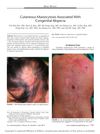
February 2012 in “The American Journal of Dermatopathology” This report documents the first known case of cutaneous mastocytosis associated with congenital alopecia areata in a young Korean girl, confirmed through histopathological examination.
5 citations
,
January 2017 in “Arquivos Brasileiros de Oftalmologia” This report describes a novel mutation in the CDH3 gene in an 11-year-old Iranian boy with hypotrichosis and juvenile macular dystrophy, indicating a new genetic variant associated with the disorder.