 22 citations
,
January 2019 in “Hormone and Metabolic Research”
22 citations
,
January 2019 in “Hormone and Metabolic Research” This meta-analysis confirmed associations between some androgenic and metabolic parameters in women with PCOS, suggesting that these measurements might help predict metabolic risk in this population.
 22 citations
,
January 2002 in “Treatments in endocrinology”
22 citations
,
January 2002 in “Treatments in endocrinology” This review examines the role of androgens in cutaneous disorders and the potential therapeutic effects of different oral contraceptives, noting variations in individual responses and the influence of genetic and local factors but reports no new clinical results.
 19 citations
,
January 2017 in “Hormone Molecular Biology and Clinical Investigation”
19 citations
,
January 2017 in “Hormone Molecular Biology and Clinical Investigation” This study found a high prevalence of hyperandrogenemia in women with PCOS, with distinct biochemical differences according to BMI and presence of hyperandrogenemia.
 18 citations
,
January 2015 in “Journal of obesity and weight loss therapy”
18 citations
,
January 2015 in “Journal of obesity and weight loss therapy” This study found that an 8-week low-starch/low-dairy diet led to weight loss, improved insulin sensitivity, and reduced testosterone levels in women with PCOS.
 18 citations
,
January 2001 in “Annual Reports in Medicinal Chemistry”
18 citations
,
January 2001 in “Annual Reports in Medicinal Chemistry” This chapter reviews selective androgen receptor modulators, discussing their therapeutic potential beyond current androgen applications, and reports no new clinical findings.
 18 citations
,
May 1992 in “American Journal of Biological Anthropology”
18 citations
,
May 1992 in “American Journal of Biological Anthropology” This study found no general elevation in androgen levels among men predisposed to balding, despite a correlation with the free-to-total testosterone ratio; no link was observed with acne.
 17 citations
,
September 2017 in “Journal of Cosmetic Dermatology”
17 citations
,
September 2017 in “Journal of Cosmetic Dermatology” In this study of women with PCOS, hirsutism strongly correlated with metabolic abnormalities, while acne and androgenic alopecia were not clear markers of biochemical hyperandrogenemia or metabolic dysfunction.
 17 citations
,
October 2013 in “Plastic and reconstructive surgery. Global open”
17 citations
,
October 2013 in “Plastic and reconstructive surgery. Global open” This review examines misconceptions and gaps in the understanding of androgenic alopecia (AGA) etiopathogenesis, offering new perspectives but no new experimental results.
 17 citations
,
August 2011 in “Current Medicinal Chemistry”
17 citations
,
August 2011 in “Current Medicinal Chemistry” This review summarizes recent advancements in steroidal 5α-reductase inhibitors for benign prostatic hyperplasia and reports no new clinical results.
 17 citations
,
February 2003 in “Australasian Journal of Dermatology”
17 citations
,
February 2003 in “Australasian Journal of Dermatology” This review discusses ovarian hyperthecosis as a rare cause of androgenetic alopecia in postmenopausal women and reports no new results; the authors highlight the need to explore its relationship to alopecia further.
 16 citations
,
April 2007 in “Journal of Obstetrics and Gynaecology Research”
16 citations
,
April 2007 in “Journal of Obstetrics and Gynaecology Research” In this study, serum PSA levels were higher in women with PCOS, suggesting it may serve as a marker for hyperandrogenism in this condition.
 16 citations
,
January 2000 in “The Journal of clinical endocrinology and metabolism/Journal of clinical endocrinology & metabolism”
16 citations
,
January 2000 in “The Journal of clinical endocrinology and metabolism/Journal of clinical endocrinology & metabolism” This study found that serum PSA levels are higher in hirsute women and can be significantly reduced by antiandrogen treatment, suggesting PSA as a marker of androgen action in females.
 14 citations
,
February 2016 in “Journal of Obstetrics and Gynaecology Research”
14 citations
,
February 2016 in “Journal of Obstetrics and Gynaecology Research” In this study, the authors concluded that clinical hyperandrogenism is not a reliable predictor for biochemical hyperandrogenism in Thai women with PCOS.
 14 citations
,
August 2014 in “Applied Physiology, Nutrition, and Metabolism”
14 citations
,
August 2014 in “Applied Physiology, Nutrition, and Metabolism” This study concluded that an 8-week low-starch/low-dairy diet increased fat oxidation in overweight and obese women with PCOS.
 14 citations
,
January 2008 in “Gynecological Endocrinology”
14 citations
,
January 2008 in “Gynecological Endocrinology” This study reports that in women with non-tumor hyperandrogenism, a decrease in serum testosterone from insulin-sensitizing therapy like metformin may indicate a low likelihood of having an androgen-secreting tumor.
13 citations
,
December 2020 in “BMJ Open Diabetes Research & Care” This study found that while intensive lifestyle interventions were associated with favorable changes in SHBG levels due to reduced adiposity, these changes did not consistently predict diabetes risk reduction.
 13 citations
,
January 2014 in “PubMed”
13 citations
,
January 2014 in “PubMed” In this study, A. capillus-veneris solution demonstrated potential to reduce hair loss and improve hair characteristics in a testosterone-induced alopecia mouse model.
 13 citations
,
October 2002 in “Journal of Biochemical and Biophysical Methods”
13 citations
,
October 2002 in “Journal of Biochemical and Biophysical Methods” This study found that men with androgenic alopecia had significantly higher levels of certain urinary steroid metabolites, suggesting increased 5 alpha-reductase activity and possible mild hyperadrenal activity.
 13 citations
,
June 1989 in “Pediatric clinics of North America/The Pediatric clinics of North America”
13 citations
,
June 1989 in “Pediatric clinics of North America/The Pediatric clinics of North America” This article reviews assessment and management strategies for adolescent females with excessive hair growth and highlights the importance of evaluating potential androgen sources.
 12 citations
,
March 2018 in “Medicine”
12 citations
,
March 2018 in “Medicine” This case report describes a 60-year-old woman with an ovarian Leydig cell tumor leading to elevated testosterone levels and hirsutism, highlighting the need to consider androgen-secreting tumors in similar postmenopausal cases.
 9 citations
,
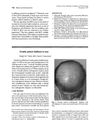
November 1993 in “Journal of The American Academy of Dermatology”
9 citations
,
November 1993 in “Journal of The American Academy of Dermatology” Some men can have female pattern baldness without hormonal abnormalities or signs of feminization.
 8 citations
,
January 2017 in “Fertility and Sterility”
8 citations
,
January 2017 in “Fertility and Sterility” This article reviews the impact of aging and related urologic conditions on male fertility, highlighting the effects of various treatments on sperm parameters and recommending pre-treatment counseling for fertility preservation. It reports no new clinical results.
 8 citations
,
March 2012 in “The Journal of Steroid Biochemistry and Molecular Biology”
8 citations
,
March 2012 in “The Journal of Steroid Biochemistry and Molecular Biology” In this study of healthy men, low levels of testosterone and dihydrotestosterone were associated with higher body mass index, fat content, and insulin resistance, but their effects on lipid and glucose metabolism were similar in quality.
 7 citations
,
January 2016 in “Experimental and Clinical Endocrinology & Diabetes”
7 citations
,
January 2016 in “Experimental and Clinical Endocrinology & Diabetes” This study observed that adding simvastatin to ongoing metformin treatment reduced certain androgen levels in women with non-classic congenital adrenal hyperplasia and abnormal glucose metabolism, suggesting a potential therapeutic benefit.
 6 citations
,
January 2019 in “F1000Research”
6 citations
,
January 2019 in “F1000Research” This study found that triglycerides, testosterone, and SHBG levels were associated with hyperandrogenism in women with PCOS, while FGS was not linked to this condition.
 6 citations
,
January 2010 in “Case Reports”
6 citations
,
January 2010 in “Case Reports” This study describes the case of a Filipino woman with virilisation, where a rare ovarian Leydig cell tumour was identified and removed, normalizing her testosterone levels.
 5 citations
,
October 2013 in “Endocrine”
5 citations
,
October 2013 in “Endocrine” This case report describes three instances where occult ovarian Leydig cell tumors were suspected based on severe hyperandrogenism symptoms, despite negative imaging findings, highlighting that elevated testosterone levels are a crucial diagnostic marker.
 5 citations
,
October 2010 in “General and Comparative Endocrinology”
5 citations
,
October 2010 in “General and Comparative Endocrinology” In this study, pregnant spotted hyenas treated with flutamide and finasteride had lower concentrations of several sex hormones, including testosterone and luteinizing hormone, compared to untreated controls.
 4 citations
,
May 2019 in “Physiology & Behavior”
4 citations
,
May 2019 in “Physiology & Behavior” This study found that cocaine disrupted the relationship between certain brain androgen levels and sexual behavior in male rats, with dose-dependent effects on testosterone metabolism.
 4 citations
,
January 2019 in “Clinical Chemistry”
4 citations
,
January 2019 in “Clinical Chemistry” This article discusses the complexities of diagnosing PCOS and highlights the importance of early recognition and treatment to improve patient outcomes, despite often being overlooked.