February 2017 in “Cancer Research” In this study involving women undergoing taxane-based chemotherapy, a twice-daily topical application of BPM31543 was well-tolerated and showed potential in reducing severe hair loss, prompting further investigation at higher doses.
 December 2024 in “PubMed”
 This study evaluates the compatibility of six active pharmaceutical ingredients, including finasteride and spironolactone, with TrichoFoam™, a foam vehicle used in personalized treatments for alopecia, though it does not report specific results.
 April 2023 in “Journal of Investigative Dermatology”
 This study found that ALRN-6924 effectively protected human hair follicles from cyclophosphamide-induced damage in an ex vivo setting, suggesting it may reduce both acute and permanent chemotherapy-induced alopecia.
July 2026 in “Translational Psychiatry” This study found that individuals with both schizophrenia and obesity showed reduced PER3 gene expression amplitude and lower melatonin levels compared to normal-weight controls, suggesting dampened circadian rhythms linked to irregular sleep. Hair follicle sampling was effective for assessing these molecular rhythms.
 January 2023 in “World Journal of Clinical & Medical Images”
 This report discusses a late-onset case of Cronkhite-Canada syndrome that improved with prednisone treatment, highlighting the importance of early diagnosis to reduce life-threatening complications.
16 citations
,
January 2021 in “Journal of the American Academy of Dermatology” In this study, researchers piloted an asynchronous telemedicine program for isotretinoin management in acne patients, finding that dosing outcomes were similar to synchronous visits and clinicians were comfortable adjusting doses remotely.
 April 2026 in “Journal of Experimental Psychopathology”
 This study suggests that hair cortisol concentration may not reliably indicate psychological distress or differentiate clinical from non-clinical populations, as observed in a female PhD student over nine years.
 4 citations
,
January 2026 in “Cell Discovery”
4 citations
,
January 2026 in “Cell Discovery” This study introduced the concept of spatiotemporal clocks to understand how different phases of mammalian wound healing are coordinated, with a focus on the spatial domains and oscillatory molecular signals involved, while highlighting the potential for regenerative therapeutic strategies.
1 citations
,
February 2014 in “Italian journal of medicine” This case study describes the clinical presentation and diagnostic findings of an 80-year-old woman with Cronkhite-Canada syndrome.
 October 2023 in “The American Journal of Gastroenterology”
 This case report describes chronic iron deficiency anemia in a patient with Cronkhite-Canada syndrome, highlighting the need for more data to guide treatment and cancer surveillance due to its rarity and mortality risk.
11 citations
,
January 2009 in “World Journal of Gastroenterology” This study reports the first documented case of Cronkhite-Canada syndrome in a patient with myelodysplastic syndrome, where corticosteroids dramatically improved the patient's condition.
82 citations
,
May 2006 in “Cancer Nursing” This study found that symptom monitoring by parents of children undergoing chemotherapy identified nausea as the most common issue, with fatigue, eating problems, and fever also frequently observed.
5 citations
,
March 2009 in “Skin Pharmacology and Physiology” This study found that DNA flow cytometry effectively evaluates physiological and hormonal influences on cell cycle kinetics of human anagen hair bulbs, with increased S phase cells observed in male pattern baldness, hirsutism, and hyperthyroidism.
 1 citations
,
January 2024 in “Journal of the American Pharmacists Association”
1 citations
,
January 2024 in “Journal of the American Pharmacists Association” In this study of transgender and gender-diverse adults, the researchers observed that one-third of those on psychotropic medications within two years of starting hormone therapy experienced psychotropic polypharmacy, with a significantly higher likelihood of potential drug-hormone interactions in this group.

This study identified ten key magistral dermatological formulations, such as personalized trichological preparations and Kligman’s formula, which fill critical gaps unmet by standardized products, particularly in cases like pediatric scabies or autoimmune mucosal diseases, illustrating the role of compounding in precision medicine.
 June 2026 in “World Journal of Gastrointestinal Pathophysiology”
 This review consolidates current knowledge about Cronkhite-Canada syndrome, highlighting its symptoms, diagnostic challenges, and evolving treatment strategies, but reports no new clinical results.
1 citations
,
March 2023 in “Healthcare” This discussion highlights the importance of psychoeducation and communication for patients in risk groups to foster hope and manage their life situations; it presents no new empirical findings.
August 2026 in “Frontiers in Medicine” This article argues that esthetic dermatology could benefit from a more biologically informed approach through the integration of advanced biomarkers and imaging technologies, but cautions that many tools are not yet fully validated for clinical use.
 February 2025 in “Biomolecules”
 This research found that melatonin has a bidirectional effect on hair follicle stem cell survival, improving it at low doses and inhibiting it at high doses.
 1 citations
,
April 2020 in “bioRxiv (Cold Spring Harbor Laboratory)”
1 citations
,
April 2020 in “bioRxiv (Cold Spring Harbor Laboratory)” This study suggests that seasonal rhythm genes in cashmere goat skin are differentially expressed with changing daylight, potentially affecting hormone transformation and light sensitivity.

This abstract does not report results, instead, it explores the often personal and emotional experience of noticing hair loss, noting the lack of clear medical symptoms and the potential social impact, which can lead to confusion about seeking appropriate medical care.
 124 citations
,
August 1994 in “Journal of Investigative Dermatology”
124 citations
,
August 1994 in “Journal of Investigative Dermatology” This study found that applying dexamethasone to mice induced catagen-like follicle changes significantly earlier and more consistently than a vehicle, such changes being useful for studying hair follicle regression.
17 citations
,
January 2015 in “JOURNAL OF CLINICAL AND DIAGNOSTIC RESEARCH” This report presents a case of Cronkhite-Canada syndrome in an elderly Indian male, adding to the approximately 450 cases documented worldwide, but introduces no new results about the condition.
 May 2015 in “Journal of The American Academy of Dermatology”
 This study presents an algorithm that may help physicians diagnose female hair loss by synthesizing patient history, clinical examination, and various diagnostic tests.
1 citations
,
May 2017 in “Journal of Clinical Oncology” This study found that applying BPM 31543 twice daily was safe, well-tolerated, and showed signs of reducing chemotherapy-induced alopecia in women receiving taxane-based chemotherapy.
November 2025 in “npj Breast Cancer” In this study of women with breast cancer undergoing chemotherapy and scalp cooling, 12% experienced incomplete hair regrowth at 6 months, with tamoxifen therapy identified as a significant risk factor for persistent chemotherapy-induced alopecia.
 July 2023 in “Dermatology practical & conceptual”
 This study reported that low dose oral minoxidil may help treat persistent chemotherapy-induced alopecia, based on a retrospective case series involving 15 patients across multiple centers.
 5 citations
,
January 2021 in “iScience”
5 citations
,
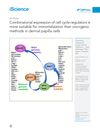
January 2021 in “iScience” Using a combination of specific cell cycle regulators is better for safely keeping hair root cells alive indefinitely compared to cancer-related methods.
 September 2025 in “Cancer Innovation”
 This study argues for "clinical trial re-innovation," highlighting new designs like basket, umbrella, and platform trials that incorporate biomarker technologies to meet the dynamic needs of precision medicine, potentially enabling more effective, patient-specific treatments and overcoming limitations of traditional disease-centered trials.
May 2026 in “Research Square”