233 citations
,
October 2004 in “Differentiation” Stem cells are in deep skin layers, while differentiating cells are in shallow layers.
 June 2025 in “bioRxiv (Cold Spring Harbor Laboratory)”
 This study found that in alopecia areata, epidermal γδ T cells and macrophages contribute to the disease alongside CD8 T cells, with the expression of BST2 marking interferon-driven immune activation in both mouse and human skin, which decreases following treatment with the JAK inhibitor tofacitinib.
 April 2017 in “Journal of Investigative Dermatology”
 This study identified that dominant mutations in the KLHL24 gene cause epidermolysis bullosa through dysregulated autoubiquitination, leading to excessive degradation of keratin 14.
 21 citations
,
April 2014 in “PLoS ONE”
21 citations
,
April 2014 in “PLoS ONE” In this study, researchers identified a novel KRT74 gene mutation associated with autosomal recessive pure hair and nail ectodermal dysplasia in a Pakistani family, expanding the known genetic causes of the disorder.
 1 citations
,
March 2023 in “Science Translational Medicine”
1 citations
,
March 2023 in “Science Translational Medicine” The researchers reported that targeting glycoprotein 130's signaling site in animal models promoted tissue regeneration and reduced osteoarthritis progression through anti-inflammatory and protective effects.
 February 2020 in “International Journal of Current Microbiology and Applied Sciences”
 This study found that canine hair follicle stem cells in vitro expressed markers associated with multipotency, suggesting their potential role in the hair cycle.
 15 citations
,
November 2022 in “Cell Death and Disease”
15 citations
,
November 2022 in “Cell Death and Disease” In this study, the researchers identified CEP135 as a biomarker linked to poor sarcoma survival and suggested PLK1 as a potential therapeutic target for sarcoma patients with high CEP135 expression.
 1 citations
,
January 2023 in “Biochemical and biophysical research communications”
1 citations
,
January 2023 in “Biochemical and biophysical research communications” This study found that hepatic KRT79 expression is regulated by PPARA and is significantly associated with liver stress, suggesting it may serve as a diagnostic marker for liver diseases.
48 citations
,
March 2003 in “International Journal of Cancer” This study suggests that loss of DMBT1 and galectin-3 expression may contribute to the development of epithelial skin cancers, indicating potential tumor-suppressive roles in this context.
 133 citations
,
May 2016 in “Cell Host & Microbe”
133 citations
,
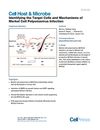
May 2016 in “Cell Host & Microbe” In this study, human dermal fibroblasts were identified as natural host cells that support productive Merkel cell polyomavirus infection, and the MEK antagonist trametinib was introduced as an effective inhibitor to control the virus.
 4 citations
,
January 2021 in “Journal of Clinical Medical Research”
4 citations
,
January 2021 in “Journal of Clinical Medical Research” This review provides an in-depth analysis of the structure and function of c-kit activation, and its role in both normal physiological and pathological conditions, with no new research findings reported.
December 2021 in “Figshare” This study suggests that BBS7 is crucial for maintaining Sonic hedgehog signaling activity, which is important for periodontal ligament homeostasis under occlusal hypofunction conditions.
 January 2012 in “Else Kröner-Fresenius Symposia”
 This symposium reported that DNA damage accumulation in aging stem cells affects genome integrity, highlighting novel mechanisms like Bmi1's role in DNA repair and the involvement of BATF in lymphoid differentiation.
May 2022 in “The journal of investigative dermatology/Journal of investigative dermatology” This study found that TET2 plays a tumor-suppressive role in preventing squamous cell carcinomas by regulating 5-hydroxymethylcytosine levels, suggesting therapeutic potential for DNA methylation dynamics.
4 citations
,
October 2021 in “Journal of Clinical Medicine” This study found that individuals with heterozygous truncation-type variants in the *DSP* gene exhibit lower skin temperature and higher transepidermal water loss, with specific microscopic skin changes and pseudomonilethrix.
117 citations
,
August 1999 in “Nature Genetics”  1 citations
,
September 2023 in “eLife”
1 citations
,
September 2023 in “eLife” This study found that TLR2 expression in hair follicle stem cells is crucial for hair follicle maintenance and regeneration, with TLR2-dependent activation potentially offering new therapeutic approaches for hair loss prevention through mechanisms involving immune pathways and CEP administration.
 2 citations
,
October 1990 in “The Lancet”
2 citations
,
October 1990 in “The Lancet” Some people have a genetic variation that makes them less effective at breaking down drugs.
33 citations
,
May 2018 in “Stem Cell Reports” This study demonstrates that Krt15 marks long-lived, multipotent, and injury-resistant crypt cells in the small intestine, which may serve as the cell of origin in intestinal cancer.
November 2025 in “The Journal of Immunology” This study found that CD80 expression in wound-activated hair follicle stem cells induces Foxp3 expression in effector T cells, facilitating wound repair by converting them into regulatory T cells.
 August 2012 in “Nature Cell Biology”
 In this study, researchers found that β-catenin directly promotes TERT expression in stem and cancer cells by interacting with the Tert promoter, illustrating a mechanistic link between tumorigenesis and pluripotency.
September 2025 in “Journal of the American Academy of Dermatology” Ritlecitinib may help treat alopecia areata by protecting hair follicles.
 January 2025 in “Iraqi Journal of Science”
 This study found that variations in the genes PDCD4, miR-21, and miR-449b may significantly influence breast cancer progression, with higher PDCD4 serum levels linked to increased breastfeeding.
 November 2020 in “Journal of The American Academy of Dermatology”
 This study examined dermoscopic features in African-American women with different types of alopecia and found that a perifollicular pink blush, potentially indicating inflammation, was common, particularly resolved with anti-inflammatory treatment, suggesting dermoscopy could aid in management.
1 citations
,
October 2023 in “European Journal of Dermatology” This study found that combining hair transplantation with platelet-rich plasma led to significantly better outcomes, such as reduced hair loss area and increased hair regeneration, compared to hair transplantation alone in patients with androgenic alopecia.
 March 2011 in “Journal of Dermatology”
 This figure in the publication investigates the relationship between expression levels and tumor burden but reports no specific findings or conclusions.
 7 citations
,
February 2015 in “Journal of comparative pathology”
7 citations
,
February 2015 in “Journal of comparative pathology” This study observed that NSG-hu-BLT mice developed graft-versus-host disease characterized by CD8+ T lymphocyte-related cell death in the skin and liver, which may affect their utility in other research areas.
475 citations
,
October 2006 in “Proceedings of the National Academy of Sciences” This study suggests that folliculin, mutated in Birt–Hogg–Dubé syndrome, and its partner FNIP1 may play a role in energy and nutrient sensing through the AMPK and mTOR pathways.
July 2024 in “Journal of Investigative Dermatology” Targeting TCR-Vβ2 in cutaneous T cell lymphoma shows promise for safer, more specific treatment.
 22 citations
,
February 2013 in “Wound Repair and Regeneration”
22 citations
,
February 2013 in “Wound Repair and Regeneration” In this study, CD109 overexpression in transgenic mice led to reduced inflammation and improved collagen organization during wound healing without affecting wound closure.