Search
for
Sort by
Research
210-240 / 1000+ resultsresearch Transcription Factor DLX5 Promotes Hair Follicle Stem Cell Differentiation by Regulating the c-MYC/microRNA-29c-3p/NSD1 Axis
This study demonstrates that the transcription factor DLX5 can promote hair follicle stem cell differentiation through regulating the c-MYC/miR-29c-3p/NSD1 axis.
research Efficient Silencingof Androgen Receptor Gene viaUTR-Targeting siRNAs for Androgenetic Alopecia Therapy
This study found that a chemically modified small-interfering RNA candidate, AR-27 E-Chol, effectively stimulated hair regrowth and reduced androgen receptor gene expression in a mouse model of androgenetic alopecia, indicating its potential as a novel therapeutic approach.

research 944 Non-coding double stranded RNA induces retinoic acid synthesis and retinoid signaling to control regeneration
This study identifies a mechanism where dsRNA activates TLR3 to induce RA production, promoting hair follicle regeneration in mice and suggesting a potential role in human tissue regeneration.

research An Uncontrolled Case Series testing Cryo-Chilled Carbon Dioxide as a Novel Amplification of a Nano-Botanical Multi-Acting Therapy in Advanced Stage Androgenetic alopecia (AGA)
In this case series, researchers reported an unexpectedly rapid and positive response to a topical, hydrogel-based botanical treatment for androgenetic alopecia in both male and female volunteers, achieving significant improvement in hair loss within 90 days instead of the planned 270 days.
research Single-cell analysis of 2,3,7,8-tetrachlorodibenzo- p -dioxin (TCDD)-treated murine skin demonstrates that sebaceous gland differentiation precedes Ahr -dependent seboatrophy with elevated expression of infundibular Blimp1
In this study, researchers observed that TCDD exposure in mice enhanced sebaceous gland differentiation and lipid production before causing seboatrophy, providing insights into the cellular events that may contribute to chloracne pathogenesis.

research CircAGK regulates high dihydrotestosterone‐induced apoptosis in DPCs through the miR‐3180‐5p/BAX axis
This study found that circAGK was highly expressed in AGA patients and promoted dermal papilla cell apoptosis, suggesting it as a potential target for treating androgen alopecia.
research Metabolic pathway of Cis-UCA upon Ultraviolet B (UVB) exposure using ¹H Nuclear Magnetic Resonance (NMR) spectroscopy, Molecular Docking and cell viability of human keratinocytes (HaCaT) cell lines
This study found that cis-urocanic acid can engage in non-enzymatic reactions with reactive sulphur species, forming new metabolites, and suggests sulphide donors may protect against UVB-related toxicity.

research Synthesis and in Vitro Evaluation of 4-Substituted N-(1,1-Dimethylethyl)-3-oxo-4-androstene-17.beta.-carboxamides as 5.alpha.-Reductase Inhibitors and Antiandrogens
In this study, 4-substituted N-(1,1-dimethylethyl)-3-oxo-4-androstene-17.beta.-carboxamides were synthesized and evaluated in vitro as potential 5 alpha-reductase inhibitors and antiandrogens.

research Fluorescence Activated Cell Sorting (FACS) of CK15 Cells in Canine Hair Follicular Tissue
This study found that canine hair follicle stem cells in vitro expressed markers associated with multipotency, suggesting their potential role in the hair cycle.
research An ultrahigh-sulphur keratin gene of the human hair cuticle is located at 11q13 and cross-hybridizes with sequences at 11p15
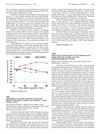
research 1408 INDUCTION OF SECRETED WNT FACTOR WISP1/CCN4 BY HUMAN PROSTATE STROMAL CELLS BY MICROENVIORNMENTAL HYPOXIA
Human prostate cells produce more WISP1/CCN4 when there's not enough oxygen.
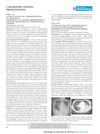
research LUNG IS A BATTLEFIELD: DIFFUSE ALVEOLAR HEMORRHAGE IN ANTIPHOSPHOLIPID SYNDROME
This case report highlights a rare instance of diffuse alveolar hemorrhage in a patient with catastrophic antiphospholipid syndrome, emphasizing the importance of early recognition and multidisciplinary management.

research 266 Myristoylphorbol Acetate (MPA) Enhances Metastasis Via Up-regulation of Eph A2 Transcription Activity
This study demonstrated that switching aE-catenin to aT-catenin in murine skin substantially rescued hyperproliferative and pre-cancerous conditions, but led to partial baldness, indicating potential functional discrepancies.
research A retrospective clinical and laboratory analysis including vitamin D and antinuclear antibodies in central centrifugal cicatricial alopecia and nonscarring alopecia in African Americans
CCCA in African Americans may be linked to hair grooming, low vitamin D, and autoimmune factors.
research Manganese-Doped Calcium Silicate Nanowire Composite Hydrogels for Melanoma Treatment and Wound Healing
This study explored the use of manganese-doped calcium silicate nanowire-incorporated alginate hydrogels (MCSA hydrogels) for treating melanoma and promoting wound healing, finding that these hydrogels effectively ablate melanoma under near-infrared irradiation and enhance vascular endothelial cell activity for tissue regeneration.

research Development and pilot-testing of the Alopecia Areata Assessment Tool (ALTO)
This study demonstrated that the Alopecia Areata Assessment Tool (ALTO) effectively identifies alopecia areata cases with high sensitivity and specificity in a dermatology clinic setting.
research 5ARI and PSA: open questions
This study concludes that the accuracy of PSA testing for prostate cancer diagnosis is not only maintained but may be increased when used alongside 5-alpha reductase inhibitors like finasteride and dutasteride.
research Inhibitory effect of M50054, a novel inhibitor of apoptosis, on anti-Fas-antibody-induced hepatitis and chemotherapy-induced alopecia
This study found that the compound M50054 inhibits apoptosis by blocking caspase-3 activation and may improve chemotherapy-induced alopecia and hepatitis symptoms.
research 270 A novel small compound HPH-15 antagonizes TGF-β/Smad signaling and ameliorates experimental skin fibrosis
In this study, HPH-15, a newly synthesized compound, demonstrated potential in reducing skin fibrosis in a mouse model by targeting underlying pathogenic mechanisms and exhibited a good safety profile, warranting further clinical trials for fibrotic skin disorders like systemic sclerosis.
research A Small Deletion Hotspot in the Type II Keratin GenemK6irs1/Krt2-6gon Mouse Chromosome 15, a Candidate for Causing the Wavy Hair of the Caracul (Ca) Mutation
This study identified a mutation hotspot in the caracul (Ca) locus of mice, implicating the mK6irs1/Krt2-6g gene in hair formation and potentially human hair and skin diseases.

research Probing androgen receptor co-factor selectivity profiles: a chemical tool to determine cross-talk between androgen receptor and β-catenin in vivo
This study characterized the SARM PF-05314882, finding it demonstrates anabolic activity in rats with minimal effects on the prostate, seminal vesicles, and luteinizing hormone levels.
research 284 Deciphering the pathogenesis of central centrifugal cicatricial alopecia
CCCA in women of African ancestry may be caused by PADI3 gene mutations and intense hair grooming.
research Prediction and Demonstration of Retinoic Acid Receptor Agonist Ch55 as an Antifibrotic Agent in the Dermis
Ch55 may help reduce skin scarring and fibrosis.

research 46,XY DSD due to impaired androgen production
This review discusses 46,XY disorders of sex development caused by defects in androgen production and highlights the need for long-term care from experienced multidisciplinary teams, but it reports no new clinical findings.
research CXXC5 Mediates DHT-Induced Androgenetic Alopecia via PGD2
This study identified CXXC5 as a key mediator of hair loss induced by PGD2 and DHT via suppression of the Wnt/β-catenin pathway, with implications for potential therapeutic targets.
research CATALASE INTRINSIC EMISSIONS OF ELECTROMAGNETIC FIELDS AS PROBABLE CAUSE IN CANCEROGENESIS FROM CONSUMPTION OF RED AND PROCESSED MEAT
This article introduces a hypothesis that the enzyme catalase in processed meats may be a probable cause of higher cancer incidence due to its emission of electromagnetic fields, but no new clinical results are provided.
research Fully automated chip-based nanoelectrospray ionization-mass spectrometry as an effective tool for rapid and high-throughput screening of 5α-reductase inhibitors
research Alternative androgen pathways
This review discusses alternative androgen pathways, including the "backdoor" pathway and pathways to 11-oxygenated steroids, and reports no new clinical results; the authors aim to clarify these concepts for better patient treatment.
research LO-009 Responsiveness of the CLASI to alopecia and mucous membrane involvement: a retrospective study of prospectively collected data
This study concluded that removing alopecia and mucous membrane components from the CLASI-A score limits the ability to capture crucial clinical information about cutaneous lupus erythematosus activity, recommending their retention.