1 citations
,
December 2021 in “Natural Product Research” In this study, in silico screening and molecular simulations identified β-sitosterol and brassicasterol as stable potential inhibitors of 5α-reductase1, suggesting they could be explored for androgenic alopecia treatment.
29 citations
,
April 2020 in “Biomolecules” This review discusses the potential biomedical and clinical applications of brassinosteroids, highlighting their observed antiviral, anticancerous, and other bioactivities in animal test systems, but reports no new findings.
 46 citations
,
September 2014 in “Steroids”
46 citations
,
September 2014 in “Steroids” This review suggests that brassinosteroids may have similar biological activities in both plants and other organisms, prompting further exploration of steroid regulation mechanisms across different life forms.
 75 citations
,
November 2016 in “Medicines”
75 citations
,
November 2016 in “Medicines” This review discusses the properties and therapeutic potentials of beta-sitosterol, highlighting a need for more detailed studies on its mechanisms and long-term effects in humans; it reports no new results.
 22 citations
,
January 2021 in “Pharmacognosy Journal”
22 citations
,
January 2021 in “Pharmacognosy Journal” This review discusses the traditional uses, phytochemical, and pharmacological studies on Ageratum conyzoides, Tridax procumbens, and Bidens pilosa, emphasizing the need for further clinical research into their medicinal potential, but it does not report new results.
 11 citations
,
December 2011 in “Revista Brasileira de Farmacognosia”
11 citations
,
December 2011 in “Revista Brasileira de Farmacognosia” In this animal study, petroleum ether and ethanolic extracts of Abrus precatorius seeds appeared to reverse androgen-induced alopecia in male albino rats by inhibiting the 5α-reductase enzyme, similar to finasteride.
 August 2025 in “International Journal of Applied Pharmaceutics”
 This study developed a stable nanoemulsion-based hair serum containing M. oleifera seed oil, which maintained its physical characteristics and reduced the oil's sticky texture, making it more suitable for hair loss treatment compared to traditional formulations.
 December 2023 in “International Journal of Applied Pharmaceutics”
 This study found that 12.5% moringa seed oil demonstrated optimal anti-alopecia activity in rabbits, significantly improving hair weight compared to the treatment with 0.1% finasteride.
 May 2022 in “Pharmacognosy journal”
 This review examined moringa seed oil's potential to combat alopecia, reporting that its phytosterol and fatty acid compounds may block dihydrotestosterone formation and support healthy hair growth.
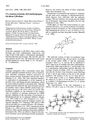 December 1998 in “Acta Crystallographica Section C-crystal Structure Communications”
 This study describes the molecular conformation and intermolecular interactions in the crystalline structure of the compound C24H31BrO4.
 24 citations
,
March 2022 in “Frontiers in plant science”
24 citations
,
March 2022 in “Frontiers in plant science” This review discusses the roles of phytohormones like auxin and ethylene in regulating root hair growth and development in plants, but it reports no new experimental results.
 68 citations
,
April 2002 in “Journal of Alternative and Complementary Medicine”
68 citations
,
April 2002 in “Journal of Alternative and Complementary Medicine” This study suggests that botanical 5AR inhibitors like Serenoa repens and β-sitosterol may improve symptoms of androgenetic alopecia, with 60% of treated subjects showing improvement compared to placebo.
 101 citations
,
January 1985 in “British Journal of Dermatology”
101 citations
,
January 1985 in “British Journal of Dermatology” This article discusses oral spironolactone therapy for female patients with acne, hirsutism, or androgenic alopecia and reports no new clinical results.
12 citations
,
November 2024 in “Plants” This study found that the phytosterols β-sitosterol, stigmasterol, and campesterol have low-to-negligible inhibitory activity against steroidal 5α-reductase type 2 compared to the synthetic inhibitor dutasteride, with β-sitosterol showing the highest activity among the tested phytosterols.
 3 citations
,
January 2022 in “Precision medicine and clinical omics”
3 citations
,
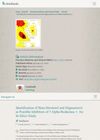
January 2022 in “Precision medicine and clinical omics” This study reports that using molecular docking methods, beta-sitosterol and stigmasterol from Serenoa repens were identified as potential natural inhibitors of the 5AR1 enzyme, which could serve as novel treatments for androgenetic alopecia based on their inhibitory action observed in a laboratory setting.
8 citations
,
November 2021 in “Environmental and Experimental Botany” This study found that brassinosteroid enhances kiwifruit root growth by regulating genes involved in auxin signal transduction, highlighting its critical role in root development.
 January 2024 in “La Ciencia al Servicio de la Salud y Nutrición”
 This narrative review attributes antiandrogenic properties to spironolactone, reporting its effectiveness in treating dermatological conditions like alopecia androgenica, acne, and hirsutism, though highlighting necessary attention to potential adverse effects and contraindications.
11 citations
,
November 2009 in “Journal of steroid biochemistry and molecular biology/The Journal of steroid biochemistry and molecular biology” This study found that bolandiol increased lean body mass and bone mineral density in castrate adult male rats, exhibiting tissue selectivity and acting through multiple receptor pathways with less potency compared to other androgens.
 46 citations
,
May 2012 in “Molecular and Cellular Endocrinology”
46 citations
,
May 2012 in “Molecular and Cellular Endocrinology” In this study, higher expression levels of aromatase and steroidogenic acute regulatory protein were correlated with increased estrogen synthesis and fewer hair follicles in human skin, suggesting a link to elastic fiber formation and hair growth.
123 citations
,
December 1997 in “Calcified Tissue International” This study concluded that higher androgen levels in males and specific skeletal sites may contribute to differences in skeletal morphology, with glucocorticoids, E2, and D3 enhancing androgen receptor expression and mitogenic action in human osteoblastic cells.
 October 2023 in “Journal of the American Academy of Dermatology”
 This source reports that clascoterone cream has been approved in the U.S. for treating acne vulgaris in patients aged 12 and older, suggesting it works by competing with dihydrotestosterone at androgen receptors to mitigate acne's effects.
 December 2023 in “Biointerface Research in Applied Chemistry”
 This study used molecular docking to identify stiripentol as a potential new inhibitor of the SRD5A2 enzyme, which is targeted for treating androgen-related diseases; however, in vivo trials are needed to validate its efficacy.
 May 2026 in “Scientific Reports”
 This study explored the potential of stigmasterol as a treatment for androgenetic alopecia through various simulation techniques, finding promising interactions with key genes involved in hair loss, but further experimental validation is needed before clinical application.
18 citations
,
January 2013 in “Evidence-based Complementary and Alternative Medicine” In this study, ALR was found to enhance both the proliferation and osteogenic differentiation of mouse bone marrow mesenchymal stem cells, potentially through specific signaling pathways.
 32 citations
,
October 2003
32 citations
,
October 2003 This review reports that 100 mg/day spironolactone improved hair growth more than placebo and was more effective in reducing hair growth than finasteride and low-dose cyproterone acetate, but its effectiveness for acne remains unclear due to small sample sizes.
This abstract reviews the use of spironolactone as a treatment for hormonal acne, female pattern hair loss, and hirsutism due to its antiandrogenic properties and favorable side effect profile, highlighting its value in dermatological therapies.
February 2023 in “Reactions Weekly”  48 citations
,
February 2013 in “Molecular and Cellular Endocrinology”
48 citations
,
February 2013 in “Molecular and Cellular Endocrinology” This review discusses the presence of the StAR protein in 17 non-classical steroidogenic tissues, suggesting that advanced detection methods are needed for a complete understanding of its functions in these tissues.
2 citations
,
January 1986 in “PubMed” This study found that spironolactone may improve acne and some ovarian functions in patients with irregular menstrual periods and androgenic symptoms, while causing few side effects.
112 citations
,
April 2009 in “Cochrane library” This review found some evidence suggesting that spironolactone can effectively reduce hirsutism in women but did not support its use for treating acne vulgaris.