 15 citations
,
June 2018 in “Food Reviews International”
15 citations
,
June 2018 in “Food Reviews International” This review discusses the potential benefits of pumpkin seed oil for men's health, particularly in conditions such as benign prostatic hyperplasia, overactive bladder, and androgenic alopecia, but reports no new clinical results.
 75 citations
,
November 2016 in “Medicines”
75 citations
,
November 2016 in “Medicines” This review discusses the properties and therapeutic potentials of beta-sitosterol, highlighting a need for more detailed studies on its mechanisms and long-term effects in humans; it reports no new results.
 67 citations
,
December 2019 in “PloS one”
67 citations
,
December 2019 in “PloS one” This study found that beta-caryophyllene enhanced re-epithelialization in cutaneous wounds of female mice, suggesting its potential for improving wound healing through multiple pathways.
47 citations
,
February 2014 in “Journal of Cutaneous Pathology” This study found that nuclear beta-catenin, LEF1, and PHLDA1 expression was conserved in matrical tumors, suggesting a shared tumorigenesis process involving Wnt pathway activation.
33 citations
,
October 2012 in “Journal of Morphology” This study identified the distribution of keratin-associated proteins during cornification in the epidermis of reptiles, revealing unique structural characteristics in sauropsid keratin proteins compared to other vertebrates.
 22 citations
,
April 1985 in “Australasian Journal of Dermatology”
22 citations
,
April 1985 in “Australasian Journal of Dermatology” This review discusses the uncommon but potentially serious cutaneous reactions to beta-adrenergic blockers and the uncertain pathogenesis, with no new clinical results reported.
13 citations
,
February 2016 in “Journal of steroid biochemistry and molecular biology/The Journal of steroid biochemistry and molecular biology” In this study, researchers observed that the absence of the vitamin D receptor or its ligand-activated transcription in mice did not affect glucose homeostasis or gene expression in islets.
 4 citations
,
January 2011 in “Journal of Cosmetics, Dermatological Sciences and Applications”
4 citations
,
January 2011 in “Journal of Cosmetics, Dermatological Sciences and Applications” This study demonstrated that vitamin B12 may promote hair growth in vitro by modulating intracellular signaling in the wnt-pathway, suggesting potential benefits for micrograft transplantation.
 4 citations
,
August 2005 in “Archives of Dermatological Research”
4 citations
,
August 2005 in “Archives of Dermatological Research” This study detected higher expression of p63 in occipital scalp areas compared to frontal areas, with minimal changes in beta-catenin expression and a novel finding of CD34 positive cells in hair follicles' outer root sheath.
 3 citations
,
January 2022 in “Precision medicine and clinical omics”
3 citations
,
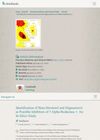
January 2022 in “Precision medicine and clinical omics” This study reports that using molecular docking methods, beta-sitosterol and stigmasterol from Serenoa repens were identified as potential natural inhibitors of the 5AR1 enzyme, which could serve as novel treatments for androgenetic alopecia based on their inhibitory action observed in a laboratory setting.
 3 citations
,
April 2019 in “bioRxiv (Cold Spring Harbor Laboratory)”
3 citations
,
April 2019 in “bioRxiv (Cold Spring Harbor Laboratory)” In this study, beta-caryophyllene enhanced wound healing in female mice by improving re-epithelialization, cell proliferation, and cell migration, suggesting potential benefits of essential oil compounds in inflammation reduction.
 3 citations
,
February 1985 in “PubMed”
3 citations
,
February 1985 in “PubMed” This report describes a case in which the use of the beta-blocker nadolol was associated with infiltrative dermatitis and significant alopecia, which resolved and resulted in total hair regrowth after discontinuation of the drug.
 2 citations
,
January 2023 in “BioMed Research International”
2 citations
,
January 2023 in “BioMed Research International” The researchers reported that a 5% Beta vulgaris L. extract nanogel showed better antialopecic activity in testosterone-induced alopecia in mice compared to a 2.5% concentration.
2 citations
,
April 2020 in “International Journal of Dermatology and Venereology” This review summarizes current evidence on how beta-human papillomavirus and Merkel cell polyomavirus may contribute to the development of nonmelanoma and Merkel cell skin carcinomas, respectively, but it reports no new clinical findings.
1 citations
,
February 2025 in “Journal of the Neurological Sciences” This study suggests that BTP levels in cerebrospinal fluid might help diagnose CIDP and predict therapy response but require validation in larger cohorts.
 1 citations
,
January 2020 in “Benha Journal of Applied Sciences”
1 citations
,
January 2020 in “Benha Journal of Applied Sciences” This study found that DEFB1 polymorphisms, specifically the rs1800972 CG and GG genotypes, may predict susceptibility to and severity of alopecia areata.
 July 2026 in “Zenodo (CERN European Organization for Nuclear Research)”
 This study used a multi-layer in silico framework to evaluate Korean herbal compounds for androgenetic alopecia, identifying Biochanin A, Saponin Re, and Emodin as potential topical candidates with distinct safety and affinity profiles, although these findings remain purely computational without experimental validation.
 July 2026 in “Zenodo (CERN European Organization for Nuclear Research)”
 This study evaluated Korean herbal compounds in silico and identified Biochanin A, Saponin Re, and Emodin as potential topical treatments for androgenetic alopecia, each with specific safety and efficacy considerations.
 July 2026 in “Zenodo (CERN European Organization for Nuclear Research)”
 In this study, in silico analysis identified Saponin Re and Emodin as promising candidates for topical treatment of androgenetic alopecia, with Biochanin A having the most favorable safety profile among the tested compounds.
 May 2026 in “Open Science Framework”
 This study conducted an in silico evaluation of Korean herbal compounds against key targets involved in androgenetic alopecia, finding Biochanin A, Saponin Re, and Emodin as promising candidates for topical treatments, but highlighting safety and topical formulation challenges.
 May 2026 in “Zenodo (CERN European Organization for Nuclear Research)”
 This study identified Saponin Re and Emodin as top candidates for treating androgenetic alopecia, suggesting future research in dermal papilla cell cultures and scalp organoids despite safety concerns.

This study on albino mice found that hair tonic formulations using methanolic and ethanolic extracts of Beta vulgaris L. promoted hair growth, with the ethanolic extract showing greater effectiveness in terms of length and diameter, potentially due to antioxidant and anti-inflammatory effects.
 December 2025 in “Cureus”
 This article discusses topical keratolytic therapy for keratosis pilaris, highlighting potential benefits while noting limitations in the current evidence base, and reports no clinical results.
 February 2025 in “Global Academic Journal of Pharmacy and Drug Research”
 This study reported that compounds from the root of Beta vulgaris, specifically 4-picoline and Betalain, showed potential as effective anti-hair loss treatments by demonstrating significant inhibitory activity against the enzyme 5α-reductase in a computational molecular docking study.
 January 2025 in “International Journal of Pharmacognosy and Clinical Research”
 This study reported the development of a scalp serum containing Beta-Sitosterol and nutrient-rich oils, showing stable physicochemical properties, suggesting potential for promoting hair growth and scalp health, though further clinical testing in humans is needed to confirm effectiveness.
 June 2024 in “Benha Journal of Applied Sciences”
 This study found that β1 integrin expression may serve as an indicator of androgenetic alopecia severity and could be involved in the disease's development.
April 2023 in “Zenodo (CERN European Organization for Nuclear Research)” In this report, a 35-year-old patient with beta thalassemia experienced thyroid dysfunction following repeated blood transfusions, highlighting that such disorders are common among transfused thalassemia patients.
 April 2023 in “The journal of investigative dermatology/Journal of investigative dermatology”
 This study found that JAK1 and JAK2 inhibitors increase β-catenin activity in human hair follicle cells, suggesting an additional therapeutic mechanism for treating severe alopecia areata.
 April 2023 in “World Journal of Advanced Research and Reviews”
 This case report describes common thyroid disorders in a β-thalassemia patient with frequent blood transfusions, emphasizing the need for monitoring thyroid function in such patients.
 February 2023 in “Cosmoderma”
 This study found that combining red light therapy with oral beta-carotene significantly improved photoaging treatment outcomes compared to red light therapy alone, with Group A showing a 56.12% reduction in photoaging scores over 12 weeks versus 44.78% in Group B.