Search
for
Sort by
Research
600-630 / 1000+ results
research Topical Cyperus rotundus Oil
This study found that Cyperus rotundus essential oil is as effective as the Alexandrite laser in reducing the growth of unwanted axillary hair, with notable effectiveness in decreasing white hair growth.

research Addressing Androgenetic Alopecia-A Complex Disorder-with a Multilateral Treatment Strategy
This review discusses recent advancements in understanding the pathophysiology of androgenetic alopecia and highlights the potential for multilateral topical therapies to improve treatment efficacy with fewer side effects; it reports no new clinical results.

research Cyberspace Chat
This article discusses finasteride and dutasteride use for androgenetic alopecia in light of recent concerns over persistent erectile dysfunction but provides no new clinical findings.
![Activity of 17β-(N-Alkyl/Arylformamido) and 17β-[(N-Alkyl/Aryl) Alkyl/Arylamido]-4-Methyl-4-Aza-5α-Androstan-3-Ones as 5α-Reductase Inhibitors in the Hamster Flank Organ and Ear](/images/assets/861159f1-7bd4-420c-a16b-4829458efe68/small/15592.jpg)
research Activity of 17β-(N-Alkyl/arylformamido) and 17β-[(N-Alkyl/aryl) alkyl/arylamido]-4-methyl-4-aza-5α-androstan-3-ones as 5α-Reductase Inhibitors in the Hamster Flank Organ and Ear11The research has been supported by Endorecherche that is seeking patent protection for the new compounds. F. Labrie is President of Endorecherche.
This study observed that the compound EM-402 reduced 5α-reductase activity and sebaceous gland size in the flank organs and ears of hamsters, indicating potent localized anti-androgenic effects without systemic action.
research Androgenetische Alopezie
research Comparing the efficacy of oral apremilast, intralesional corticosteroids, and their combination in patients with patchy alopecia areata: a randomized clinical controlled trial

research COMPLICAÇÕES DOS TRATAMENTOS DA ALOPÉCIA ANDROGÉNICA: REVISÃO SISTEMÁTICA E META-ANÁLISE
This study found that androgenetic alopecia treatments, especially dutasteride, are associated with a small increased risk of adverse events like sexual dysfunction and dermatologic reactions.

research Ritlecitinib for Severe Alopecia Areata: A 24-Week, Multicentre, Real-World Study
In this Italian retrospective study, ritlecitinib 50 mg/day showed effectiveness and good tolerability for treating severe alopecia areata over 24 weeks, achieving significant hair regrowth particularly in adolescents, as well as improvements in eyebrows, eyelashes, nails, and quality of life, with mostly mild adverse effects.
research Medikamentöse Therapie des benignen Prostatasyndroms mit α1-Rezeptorblockern Grundlagen und klinische Ergebnisse
This review discusses the effectiveness and tolerability of alpha1-adrenoceptor antagonists for managing lower urinary tract symptoms in benign prostatic hyperplasia, reporting no new clinical results.

research Validated HPTLC method for the simultaneous determination of alfuzosin, terazosin, prazosin, doxazosin and finasteride in pharmaceutical formulations
This study presents a validated HPTLC method for simultaneously determining five BPH drugs, showing high sensitivity and selectivity for potential use in quality-control analysis.
research Hematological ratios in pediatric patients with alopecia areata based on a nationwide retrospective cohort study
This study found that among pediatric patients with alopecia areata, elevated eosinophilic hematological ratios were observed, suggesting these could serve as markers for disease exacerbation and the pathophysiology of the condition.
research Topical Cyperus rotundus essential oil for treatment of axillary hyperpigmentation: a randomized, double‐blind, active‐ and placebo‐controlled study
In this study, Cyperus rotundus essential oil was found to have significantly better depigmenting effects than hydroquinone for treating axillary hyperpigmentation, with additional benefits in reducing inflammation and hair growth, making it a cost-effective and safe treatment option.
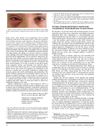
research Severe steroid-dependent idiopathic angioedema with response to rituximab
This report describes a case of a 19-year-old woman experiencing severe recurrent angioedema with airway issues, leading to multiple emergency visits and unsuccessful treatment with typical steroid-sparing agents.
research Androgen Receptor Inhibitors in the Treatment of Acne Vulgaris: Efficacy and Safety Profiles of Clascoterone 1% Cream
This review discusses the clinical trials of clascoterone 1% cream for acne vulgaris and reports no new results; the authors highlight its novel role as a topical antiandrogen.

research Alopecia Areata: Estudio de las Nuevas Perspectivas de Tratamiento y de su Impacto en la Calidad de Vida y Salud Sexual
This research aims to address gaps in understanding alopecia areata by evaluating the real-world effectiveness and safety of baricitinib, identifying predictors of therapeutic response, and exploring the long-term impact on life quality, including sexual health. Results are not reported in the abstract.
research Development and Evaluation of Nanoemulgel Loaded with Minoxidil
This study formulated a minoxidil nanoemulgel with improved solubilization and skin penetration, demonstrating a high entrapment efficiency and sustained drug release in vitro, which suggests potential improvements in treating androgenetic alopecia compared to conventional formulations.

research Alopecia areata – Current understanding and management
This review discusses current and emerging therapies for alopecia areata, highlights the challenges in managing this chronic disease, and emphasizes the importance of addressing its psychosocial impacts; it reports no new clinical results.
research The versatility of azelaic acid in dermatology
This review found the strongest evidence supporting azelaic acid's use in treating rosacea, with somewhat less evidence for its effectiveness in melasma and acne vulgaris, and weaker support for its use in conditions like hidradenitis suppurativa and keratosis pilaris.

research Niosomal versus cubosomal gels of cetirizine hydrochloride: Cost-effective permeation enhancement for potential transdermal application
In this study, cetirizine hydrochloride was formulated into niosomal and cubosomal gels, showing potential for off-label use in treating androgenic alopecia due to effective skin permeation and acceptable safety profiles; cubosomal gels exhibited superior permeation compared to niosomal gels.
research Androgenetic Alopecia From A to Z

research Sublingual tofacitinib for alopecia areata: a roll‐over pilot clinical trial and analysis of pharmacokinetics
In this study, sublingual tofacitinib achieved a longer estimated half-life than oral administration in treatment-resistant alopecia areata patients, potentially supporting daily dosing; overall treatment response was modest.
research ADT-G as a promising biomarker for peripheral hyperandrogenism in adult female acne
This study found that androsterone glucuronate (ADT-G) was the only androgenic metabolite sensitive to detecting differences between adult women with acne and controls, and its levels decreased with systemic treatment.
research A Phase 1, Open‐Label Study of the Pharmacokinetics of Ritlecitinib in Children Aged 6–12 Years With Alopecia Areata
In this study, ritlecitinib was generally well tolerated in pediatric alopecia areata patients aged 6 to <12 years, with no severe or serious adverse events reported, and the drug's pharmacokinetic parameters were successfully characterized.
research Formulation, Optimization, and Evaluation of a Polyherbal Emulsion-Based Hair Serum: A Novel Approach for Alopecia Areata Management
This study investigated the development of a polyherbal cosmeceutical serum containing extracts from five herbal drugs as a potentially safer treatment for alopecia areata, assessing its properties and stability.
research Research of domestic market medicinal agents based on Minoxidil and it’s derivatives that are used in treatments for Alopecia
This review analyzes the current Ukrainian market for alopecia treatments, including minoxidil and its derivatives, and highlights a lack of domestically produced aminexil-based medications; it reports no clinical results.
research ‘Ritlecitinib: unveiling hair regrowth for alopecia areata’
In this review, the authors highlight the FDA approval of Ritlecitinib, the first oral treatment specifically for moderate to severe alopecia areata in patients aged 12 and older, marking a significant advancement in managing this condition.
research Editorial highlights
This paper highlights advances in Developmental Dynamics, noting how epoa-deficient zebrafish can model Diamond-Blackfan anemia like disorders for drug screening, Alx4 mouse models offer insights into craniofacial development, and mTORC1 signaling is crucial for retinal development.

research Reduced Prostate Cancer Risk in Patients with Androgenetic Alopecia Using 5-Alpha Reductase Inhibitors: A TriNetX Real-World Cohort Study
Using 5-alpha reductase inhibitors may lower prostate cancer risk in people with androgenetic alopecia.
research Candida antigen immunotherapy versus steroid in the treatment of alopecia areata
This study found that intralesional Candida antigen was as effective as intralesional steroids for treating alopecia areata after 5 months, with significantly lower injection pain reported in the Candida group.