This study identified the best cream-mask base composition for treating androgenetic alopecia using Saw palmetto and Sophora Japonica, which includes specific emulsifiers and polymers for optimal consumer and pharmaco-technological properties.
 1 citations
,
June 2026 in “Dermato”
1 citations
,
June 2026 in “Dermato” This narrative review found that ritlecitinib shows consistent effectiveness and a favorable safety profile for treating alopecia areata in clinical trials and real-world settings, with progressive hair regrowth observed, particularly when treatment is initiated early and maintained appropriately.
This study highlights that azelaic acid, initially recognized for skin hypopigmentation, shows potential in treating various skin conditions due to its complex mechanisms, even though these are not yet fully understood, indicating a need for further research.
March 2026 in “The Journal of Dermatology” This study found that ritlecitinib 50 mg is cost-effective compared to no treatment for patients in Japan with alopecia areata and significant scalp hair loss, demonstrating an incremental cost-effectiveness ratio below the country's cost-effectiveness threshold.
 2 citations
,
July 2023 in “Journal of cosmetic dermatology”
2 citations
,
July 2023 in “Journal of cosmetic dermatology” In this study, JAK inhibitors like baricitinib and ruxolitinib were found to be more effective and caused fewer discontinuations due to adverse events in adults with alopecia areata compared to therapies like dupilumab and apremilast, highlighting the need for more high-quality comparative trials.
 11 citations
,
September 2011 in “British Journal of Dermatology”
11 citations
,
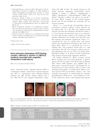
September 2011 in “British Journal of Dermatology” New ABCA12 gene mutations were linked to a skin condition with scaling and hair loss, and a treatment helped with hair loss in a related case.
In a hair-growth mouse model, this study reported that the novel AR antagonist candidate 39, derived from structural optimization of 14-P1, achieved similar efficacy to pyrilutamide with faster response and maintained safety, demonstrating potent AR antagonism and favorable pharmacokinetics with lower systemic toxicity risk.
1 citations
,
January 2012 in “Ancient Science of Life” This study found that the ethanol extract of Eclipta alba significantly reduced gastric lesions and enhanced gastroprotective activity in ulcer-induced rats, suggesting potent antisecretory effects potentially linked to antioxidant properties.
July 2017 in “OPAL (Open@LaTrobe) (La Trobe University)” In this study, researchers investigated the role of the ATX-LPA axis in asthma pathogenesis using human and mouse models and highlighted the potential for developing new ATX inhibitors as effective asthma treatments.

This review explores the synthesis and potential of azasteroids as novel drugs, discussing challenges in their production and reporting no new clinical results.
 August 2018 in “Journal of The American Academy of Dermatology”
 A 16-year-old girl's skin rash was likely caused by an infection and improved with topical steroids.
July 2025 in “SKIN The Journal of Cutaneous Medicine” This study describes characteristics and outcomes for adults initiating ritlecitinib for severe alopecia areata, highlighting increased hair regrowth and physician satisfaction with longer treatment durations, despite ongoing psychosocial impacts like embarrassment and anxiety among patients.
 2 citations
,
August 2013 in “The Lancet. Diabetes & endocrinology”
2 citations
,
August 2013 in “The Lancet. Diabetes & endocrinology” This report discusses the FDA's third denial of approval for Aveed, a long-acting testosterone injection by Endo Pharmaceuticals, citing continued safety concerns including severe side effects.
3 citations
,
January 2016 in “Journal of Clinical & Cellular Immunology” In this study, increased production of CXCL10 was associated with the infiltration of Th1 and Tc1 cells in acute alopecia areata, suggesting a possible new target for treatment.
This study suggests that ethyl acetate extract of Equisetum debile may be effective for functional food and nutraceutical use due to its strong 5α-reductase, IL-6 inhibition, and lipid peroxidation activities without cytotoxic effects.
September 2017 in “PubMed” In this case report, a Danish family with monilethrix showed varying symptoms, diagnosed via dermatoscopy, microscopy, and gene sequencing. The study highlights that while no cure exists, oral minoxidil shows promise in a single case, and reducing hair trauma remains key for management.
November 2024 in “Skin Appendage Disorders” This review provides insights and guidelines for clinicians and patients on assessing the risks and benefits of ritlecitinib for adolescents with alopecia areata, emphasizing shared decision-making and management strategies.
25 citations
,
June 2002 in “Steroids” This study examined 4-azasteroids using 13C-NMR spectroscopy, detailing the NMR spectrum assignments and reporting a new molecular complex of finasteride with dioxane.
September 2023 in “Journal of the American Academy of Dermatology” This study found that the incidence of major adverse cardiovascular events in patients with psoriasis, psoriatic arthritis, and axial spondyloarthritis who received Ixekizumab was low and stable over 3 to 5 years across 25 clinical trials.
 11 citations
,
November 2019 in “Clinical Case Reports”
11 citations
,
November 2019 in “Clinical Case Reports” This study highlights that while there are no FDA- or ANVISA-approved treatments for children with alopecia areata, JAK inhibitors are emerging as a promising therapeutic option for this population.
June 2023 in “The Journal of Dermatology” This abstract provides supplementary materials and directs queries to the corresponding author but presents no new research findings.
 January 2024 in “International Journal of Molecular Sciences”
 This study found that subcutaneous injection of a CXCL12 neutralizing antibody significantly promoted hair growth in androgenic alopecia and inhibited hair loss in alopecia areata in mouse models, suggesting its potential as a promising treatment for hair loss.
September 2002 in “Oncology Times” This study presented at the ASCO Annual Meeting reported that the epidermal growth factor receptor antibody ABX-EGF showed preliminary efficacy in renal cell cancer patients, with tolerable side effects, while bortezomib demonstrated clinical benefit in a significant proportion of multiple myeloma patients.
This report discusses the FDA's rejection of Aveed, a long-acting testosterone injection, due to safety concerns despite divided advisory committee opinions, without presenting new clinical data.
 May 2025 in “Scientific and Technical Bulletin оf State Scientific Research Control Institute of Veterinary Medical Products and Fodder Additives аnd Institute of Animal Biology”
 In this study, researchers developed "Akaro Spectra," an antiparasitic tablet for dogs using cryodestruction of plant materials, which showed 100% efficacy against Otodectes cynotis ticks by the second day and 93.76% efficacy against Ixodes, Dermacentor, and Rhipicephalus ticks.
 December 2024 in “Journal of Cancer Therapy and Research”
 In this study, researchers investigated the effects of Aqueous Artocarpus heterophyllus seed extract on testosterone enanthate-induced benign prostatic hyperplasia in adult Wistar rats, using three different dosages to assess its potential as an alternative therapy. Results are not reported in this abstract.
17 citations
,
January 1993 in “PubMed” This article reviews treatments for androgen-related skin disorders and discusses antiandrogens' doses, efficacy, and mechanisms, but reports no new clinical results.
September 2025 in “Journal of the American Academy of Dermatology” September 2025 in “Journal of the American Academy of Dermatology” Deuruxolitinib improves anxiety and depression in severe alopecia areata patients.
 7 citations
,
March 2019 in “Journal of The European Academy of Dermatology and Venereology”
7 citations
,
March 2019 in “Journal of The European Academy of Dermatology and Venereology” A man developed a skin reaction from metronidazole, which improved after stopping the drug and starting steroids.