2 citations
,
July 2025 in “Scientific Reports” This study identified a novel Acinetobacter species, strain A1-4-2, with exceptional biodegradation abilities and low antibiotic resistance, found in diverse environments and potentially useful for ecological restoration by degrading organic pollutants.
 45 citations
,
January 2012 in “The Journal of Steroid Biochemistry and Molecular Biology”
45 citations
,
January 2012 in “The Journal of Steroid Biochemistry and Molecular Biology” This study found that overexpression of AKR1C3 in prostate cancer cells redirected androgen metabolism towards testosterone production, which facilitated cell proliferation, potentially reducing the effectiveness of finasteride treatment.
30 citations
,
June 2010 in “Endocrine Related Cancer” In this study, dutasteride more effectively reduced prostate cancer cell viability than finasteride in vitro, but did not significantly alter the angiogenic response.
 April 2010 in “The Journal of Urology”
 Human prostate cells produce more WISP1/CCN4 when there's not enough oxygen.
 August 2026 in “Cell Communication and Signaling”
 This study found that intravenous administration of a shark-derived receptor antibody, 3P17, promoted hair growth in mice by increasing hair matrix cell proliferation and activating leptin-STAT3 signaling, with transdermal leptin delivery enhancing this effect through improved skin penetration.
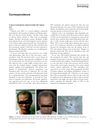 6 citations
,
April 2013 in “International Journal of Dermatology”
6 citations
,
April 2013 in “International Journal of Dermatology” This correspondence article discusses a case of androgenetic alopecia treated with valproic acid but does not present new clinical findings.
 1 citations
,
November 2024 in “Diabetes Metabolic Syndrome and Obesity”
1 citations
,
November 2024 in “Diabetes Metabolic Syndrome and Obesity” In this study, researchers found that a specific genetic variant in the INSR gene is linked to severe insulin resistance and hyperandrogenemia in type A insulin resistance syndrome, suggesting the benefit of exon sequencing for accurate diagnosis and treatment.
 September 2023 in “Nature communications”
 This study found that VE-cadherin and Alk1, traditionally linked to vascular functions, also play crucial roles in maintaining nerve homeostasis in mice during hair growth cycles by modulating certain cell populations.
 May 2017 in “Journal of The American Academy of Dermatology”
 PLAU and SerpinB2 affect cell death differently in various forms of leprosy and could be targets for new treatments.
December 2013 in “Pump Industry Analyst” This study found that using particle-based antigen delivery in combination with cyanoacrylate skin surface stripping is an effective needle-free method for targeting HIV-1 p24 protein to skin cells, enhancing transcutaneous vaccination potential.
 December 2022 in “Small methods”
 This study developed dissolving microneedles incorporating a new AR degrader for treating androgenetic alopecia, showing that a single application leads to superior hair regeneration compared to daily minoxidil, without systemic toxicity or androgen-related issues.
8 citations
,
January 2017 in “Journal of Biological Chemistry” This study found that astrotactin-2 undergoes unique intramembrane proteolysis during maturation, revealing specific transmembrane topologies and substrate sequence requirements for cleavage.
49 citations
,
July 2000 in “Journal of Histochemistry & Cytochemistry” This study found cell-specific variations in POMC mRNA and peptide expression in murine skin, suggesting that PC1 and PC2 convertases contribute to differential POMC processing.
14 citations
,
May 2016 in “International Journal of Molecular Sciences” This study showed that knocking out the Ppp2ca gene in the epidermis of mice led to significant hair loss and disrupted hair follicle morphogenesis and regeneration.
April 2019 in “Journal of the Endocrine Society” This case report documents successful virilization, including penile length increase, in a boy with partial androgen insensitivity syndrome using high-dose testosterone combined with anastrozole.
107 citations
,
April 2014 in “The Plant cell” In this study, researchers showed that the CAP1 gene regulates root hair growth in plants by modulating cytoplasmic ammonium levels and maintaining calcium gradients, highlighting its role in ammonium homeostasis.
7 citations
,
January 2025 in “Journal of Experimental & Clinical Cancer Research” This study found that PRMT5 inhibitors showed potent anti-tumor activity in models of adenoid cystic carcinoma and that combining these inhibitors with lenvatinib may have additional growth-inhibitory effects.
 6 citations
,
November 2017 in “Scientific reports”
6 citations
,
November 2017 in “Scientific reports” This study found that a novel R343H mutation in the vitamin D receptor gene impairs its transcription activity, contributing to hereditary vitamin D-resistant rickets and alopecia in the affected family.
24 citations
,
January 2023 in “Cancer Research” This study suggests that activating AMPK to phosphorylate ZDHHC13 may enhance MC1R function and reduce melanoma risk in individuals with red hair.
3 citations
,
May 2020 in “Journal of Cellular and Molecular Medicine” This study identified critical roles for the gene GREM1 in the differentiation and expansion of endothelial progenitors derived from human urinary induced pluripotent stem cells.
 August 2024 in “OSMANGAZİ JOURNAL OF MEDICINE”
 This study reported no significant association between vaspin and visfatin -4689G/T gene polymorphisms and alopecia areata in the Turkish population, although the visfatin GT genotype may pose a risk factor for the condition.
April 2026 in “Future Medicinal Chemistry” This article discusses the impact of PROTACs technology in transforming drug discovery with its novel degradation mechanism, but it reports no new experimental findings.
117 citations
,
April 2008 in “Developmental biology” This study identified that Eda-A1 unexpectedly induces placode inhibitors dkk4 and lrp4, indicating the importance of tightly regulated signaling for proper ectodermal organ development.
 November 2021 in “Revista Ibero-Americana de Humanidades, Ciências e Educação”
 This paper evaluates the therapeutic response of androgenetic alopecia to topical application of specific compounds using digital drug delivery but reports no new clinical results.
 72 citations
,
January 2003 in “American Journal of Pathology”
72 citations
,
January 2003 in “American Journal of Pathology” This study found that the co-activator CBP enhances the agonistic action of hydroxyflutamide on androgen receptors, suggesting a mechanism for therapy resistance in prostate cancer.
1 citations
,
January 1985 in “Protides of the biological fluids” This study found that injecting highly purified monocyto-angiotropin into hare skin induced new blood vessel formation and significantly accelerated hair growth at the injection site compared to control areas.
 15 citations
,
March 2014 in “Biochimica and biophysica acta. Molecular and cell biology of lipids”
15 citations
,
March 2014 in “Biochimica and biophysica acta. Molecular and cell biology of lipids” This review discusses the role of acyl-CoA binding protein (ACBP) in the epidermal barrier, noting that its disruption in mice is linked to skin and fur abnormalities; it reports no new clinical results.
 January 2025 in “ACS Applied Materials & Interfaces”
 In this study, a nanoparticle system codelivering diphenylcyclopropenone and rapamycin successfully induced immune tolerance and promoted hair regrowth in a mouse model of alopecia areata, offering a promising new therapeutic strategy for this autoimmune condition.
 3 citations
,
March 2010 in “Dermatologica Sinica”
3 citations
,
March 2010 in “Dermatologica Sinica” This study reports the first case of atrichia with papular lesions in a Taiwanese family without a detectable mutation in the HR gene.

This study found that 1′S-1′-acetoxychavicol acetate from Alpinia galanga inhibits Nox isozymes and suppresses testosterone-induced hair loss in a mouse model of androgenetic alopecia.