January 2025 in “Communications in computer and information science” HairLossMultinet accurately classifies hair damage with 98% accuracy but needs a more diverse dataset for broader use.
128 citations
,
August 2020 in “Cell stem cell” In this study, researchers found that extrafollicular progenitors marked by Hic1 are the main contributors to reparative fibroblasts in wound repair, with potential to modulate healing outcomes through genetic and pharmacological interventions.
 March 2024 in “Bioactive Materials”
 This study found that modifying adipose-derived stem cells to overexpress the adhesion protein JAM-A increased the adhesion and resilience of dermal papilla cells in the context of androgenic alopecia, potentially facilitating hair regrowth despite challenges such as damage from dihydrotestosterone and macrophages.
4 citations
,
March 2022 in “Cosmetics” This review suggests that a dual treatment approach using Nourella® cream with nano-encapsulated Retilex-A® and per-oral Vercilex® tablets may effectively improve skin thickness, elasticity, and overall rejuvenation in aging skin, as shown in interventional studies.
 1 citations
,
July 2023 in “Journal of Clinical Medicine”
1 citations
,
July 2023 in “Journal of Clinical Medicine” This review provides a detailed overview of the causes, prevalence, pathophysiology, clinical presentation, and treatment of beard alopecia, highlighting conditions such as alopecia areata, pseudofolliculitis barbae, and tinea barbae, and aims to serve as a resource for clinicians handling such cases.
 September 2023 in “JP Journal of Biostatistics”
 This study found that a random forest algorithm most effectively detected COVID-19, with high specificity and accuracy, among 10,862 individuals in an Iranian hospital setting.
 1 citations
,
September 2025 in “Journal of Ultrasound in Medicine”
1 citations
,
September 2025 in “Journal of Ultrasound in Medicine” This study found that AI using YOLOv11 architecture can reliably differentiate between hyaluronic acid and silicone oil cosmetic fillers on ultrasound, achieving high accuracy, whereas identifying calcium hydroxyapatite and polymethylmethacrylate remains less consistent, requiring further improvements.
 July 2025 in “E-methodology”
 This study explored AI's potential in trichology services, finding it beneficial for diagnostics and treatment supervision, but noted the importance of addressing legal considerations, particularly in the Polish market.
 January 2024 in “Wiadomości Lekarskie”
 This review highlights that AI-based echocardiography in cardiology can enhance diagnostic precision, automation, and therapeutic strategy development, but also presents challenges like diagnostic errors and high costs, indicating a cautious yet promising progression in its adoption.
April 2024 in “International journal of molecular sciences” This source reports that for treating keloids and hypertrophic scars, combination pharmacotherapy targeting multiple sites is generally more effective than using a single drug, though outcomes of individual therapies vary and the development of satisfying treatments is ongoing.
In this review of autonomous robotic surgery, the authors explore the integration of AI and machine learning in surgical procedures, detailing both the advancements and challenges of these technologies, including ethical concerns and current regulatory frameworks.
 1 citations
,
December 2025 in “Scientific Reports”
1 citations
,
December 2025 in “Scientific Reports” In this study, researchers developed a predictive model for the onset of alopecia areata by analyzing six datasets to identify key feature genes and employing various machine learning algorithms, ultimately finding the XGBoost model most effective for clinical application.

This study introduces Kalya Research, an AI-driven tool designed to identify and categorize literature on complementary and alternative medicines, showing its effectiveness compared to Medline in finding relevant alopecia research within the context of breast cancer patients.
 January 2024 in “Wiadomości Lekarskie”
 In this study, researchers at the Laboratory of Regenerative Medicine WUM are exploring the long-term effects of SARS-CoV-19 infection, focusing on stem cell mobilization and engraftment processes, and utilizing advanced diagnostic techniques to develop algorithms for rare disease classification, including amyloidosis.
 6 citations
,
July 2024 in “The Journal of the American Board of Family Medicine”
6 citations
,
July 2024 in “The Journal of the American Board of Family Medicine” This study found that while GPT-4 shows high accuracy and efficiency in clinical decision making, physicians' critical thinking and lifelong learning skills remain essential, particularly in addressing and interpreting AI errors in medical settings.
 1 citations
,
October 2025 in “Endocrinology and Metabolism”
1 citations
,
October 2025 in “Endocrinology and Metabolism” This review discusses 'vibe coding', a new approach that allows clinicians with minimal coding skills to utilize machine learning tools for medical research by using natural language directives to generate and refine code through AI-driven platforms.
 74 citations
,
April 2005 in “Dermatologic Clinics”
74 citations
,
April 2005 in “Dermatologic Clinics” This article reviews treatment options for male-pattern and female-pattern hair loss, telogen effluvium, and alopecia areata, but provides no new clinical results; algorithmic management approaches are included.
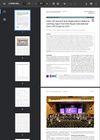 June 2026 in “Journal of Biological Engineering”
 At the 21st Royan International Stem Cell Congress, researchers highlighted the growing integration in regenerative medicine, emphasizing advances in pluripotency, AI applications, and bioengineering for the development of accessible stem cell therapies.
 April 2024 in “ScienceRise. Pharmaceutical science”
 In this study, conducted through a survey in Ukraine, researchers found that 48.7% of men believe androgenic alopecia negatively affects their emotional state and quality of life, with approximately 90% expressing the need for more effective treatments on the market.
106 citations
,
August 2024 in “Annals of Medicine and Surgery” This paper reviews AI integration in robotic surgical systems, highlighting enhanced precision and reduced fatigue but noting challenges like high costs and ethical concerns, suggesting responsible adoption to realize potential benefits for surgical care.
32 citations
,
May 2022 in “Frontiers in Pharmacology” This study proposes an AI-based method, DRGCC, using GraphSAGE and clustering constraints to predict associations between drugs and diseases, demonstrating reliable predictive performance that may aid drug repositioning efforts, including exploring drugs for COVID-19 treatment.
 15 citations
,
November 2022 in “Cell Death and Disease”
15 citations
,
November 2022 in “Cell Death and Disease” In this study, the researchers identified CEP135 as a biomarker linked to poor sarcoma survival and suggested PLK1 as a potential therapeutic target for sarcoma patients with high CEP135 expression.
 53 citations
,
April 2021 in “Cell Host & Microbe”
53 citations
,
April 2021 in “Cell Host & Microbe” This study found that skin microbiota, particularly in wild-type mice, promotes wound-induced hair follicle neogenesis and wound healing, highlighting the potential downsides of routine antibiotic use on skin regeneration.
 9 citations
,
January 2020 in “IEEE Access”
9 citations
,
January 2020 in “IEEE Access” This study reports that a robotic and AI-based system successfully analyzes FUE hair transplant procedures, aiding surgeons in planning and assessing operation success through detailed pre-op and post-op evaluations.
8 citations
,
May 2024 in “Diagnostics” This survey investigated how well an AI chatbot could generate dermoscopic language reports for dermatologists and found that participants were equally satisfied with its responses across scenarios, despite lower performance in diagnosing SCC and inflammatory dermatoses.
 January 2024 in “Wiadomości Lekarskie”
 This presentation discusses the integration of artificial intelligence in vascular surgery, emphasizing its potential to enhance surgical outcomes, shorten recovery times, and improve patient safety, although the final decisions remain with the physicians.
 November 2023 in “Advances and Applications in Statistics”
 In this retrospective study, researchers developed machine learning models to predict mortality risk among 7115 COVID-19 patients in Iran, finding that the random forests model performed best with 96% accuracy and identified factors like intubation and SpO2 as significant predictors.
 September 2023 in “International journal of medicine”
 This study reviewed the current status and future scope of artificial intelligence in healthcare, highlighting its potential to revolutionize medical practices through improved affordability, efficiency, and speed, as well as its applicability in various fields such as imaging, diagnosis, and individualized care.

This study evaluated AI chatbots' responses to scabies-related questions, finding DeepSeek had the highest accuracy despite higher hallucination rates, while ChatGPT-5.2 provided more readable and reliable information, highlighting variability and the need for cautious use of AI in health queries.
 6 citations
,
September 2025 in “Scientific Reports”
6 citations
,
September 2025 in “Scientific Reports” This study found that using XGBoost with clinical and ultrasound features may provide a highly accurate, non-invasive method for diagnosing polycystic ovary syndrome, although further validation is needed to ensure robustness.