32 citations
,
July 2017 in “Oncotarget” This study found that intermittent treatment with FTI lonafarnib and sulforaphane may be a promising therapeutic approach for children with Hutchinson-Gilford progeria syndrome, as it improved the cellular phenotype.
 January 2020 in “Clinical Case Reports and Reviews”
 This study observed that the coexistence of Frontal Fibrosing Alopecia and lupus erythematosus in a patient may suggest a shared pathogenic background.
 December 2025 in “Clinical Cosmetic and Investigational Dermatology”
 In this report, a unique female presentation of IFAP syndrome is described, featuring musculoskeletal contractures but no photophobia, highlighting the importance of early detection and multidisciplinary care to improve outcomes and prevent disability.
 September 2013 in “Hair transplant forum international”
 This abstract describes frontal fibrosing alopecia, a type of cicatricial alopecia identified in post-menopausal women, and reports no new clinical findings.
May 2026 in “European Cells and Materials” In this study, researchers developed a novel delivery system using hyaluronic acid gels to encapsulate Huperzine A for Alzheimer's treatment, achieving extended release over 20 days and significantly improving pathology and behavior in mice, including enhanced memory and reduced neuroinflammation.
 October 2025 in “International Wound Journal”
 In a study using a rat model of hypertrophic scars, researchers found that gamma-irradiated human amniotic fluid improved wound healing, collagen remodelling, immune response, and scar characteristics more effectively than saline or non-irradiated amniotic fluid, indicating its potential for clinical applications in scar management.
January 1998 in “International Society of Hair Restoration Surgery” This report details the first examination for the American Board of Hair Restoration Surgery, where 27 out of 32 candidates passed both parts of the test, but it presents no new research findings.
 31 citations
,
April 2010 in “British journal of dermatology/British journal of dermatology, Supplement”
31 citations
,
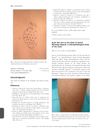
April 2010 in “British journal of dermatology/British journal of dermatology, Supplement” This report describes two patients with frontal fibrosing alopecia who developed acute hair loss on their limbs, revealing that the limb alopecia had similar histological features to scalp alopecia.
7 citations
,
July 2021 in “The Journal of Dermatology” This study in Asian females found that higher use of moisturizers and sunscreen among FFA patients may reflect appearance concerns rather than indicating a direct link to the disease mechanism.
 5 citations
,
February 2015 in “Dermatologica Sinica”
5 citations
,
February 2015 in “Dermatologica Sinica” In this study, a computer-aided imaging system accurately measured the width of balding areas in female pattern hair loss, correlating strongly with clinical staging severity.
 70 citations
,
January 2000 in “Hormone Research in Paediatrics”
70 citations
,
January 2000 in “Hormone Research in Paediatrics” This article reviews the characteristics and classification of SAHA syndrome and its relationship with other conditions, without presenting new clinical findings.
 May 2019 in “The Journal of Sexual Medicine”
 This study found no baseline factors that predicted flibanserin efficacy for HSDD, though low testosterone or use of hormonal contraceptives were associated with reduced efficacy.
 18 citations
,
January 2020 in “Journal of Clinical Research in Pediatric Endocrinology”
18 citations
,
January 2020 in “Journal of Clinical Research in Pediatric Endocrinology” This review discusses the pathophysiology, diagnosis, and management of functional hypothalamic amenorrhea in adolescent girls and reports no new clinical results.
 1 citations
,
January 2006 in “Dermatologic Surgery”
1 citations
,
January 2006 in “Dermatologic Surgery” The SAFE System may reduce hair transplant transection rates but has been critiqued for not being as minimally invasive as claimed.
 1 citations
,
January 2016 in “Journal of Microbial & Biochemical Technology”
1 citations
,
January 2016 in “Journal of Microbial & Biochemical Technology” This study found that the free androgen index (FAI) is a superior marker of hyperandrogenism in men with premature androgenetic alopecia compared to DHEAS and testosterone levels.
 4 citations
,
October 2022 in “Aesthetic surgery journal”
4 citations
,
October 2022 in “Aesthetic surgery journal” This study reports that percutaneous superficial temporal arterial hyaluronidase injection effectively treated necrosis of the frontotemporal skin and ipsilateral scalp, with patients experiencing significant recovery in skin appearance and hair regrowth 2 to 3 months after injection, following complications from hyaluronic acid filler.
11 citations
,
February 2011 in “The Journal of Dermatology” This study observed four consanguineous families with congenital atrichia with papular lesions and identified three novel mutations in the hairless gene, which may contribute to the disorder.
 July 2022 in “The journal of investigative dermatology/Journal of investigative dermatology”
 In this study, researchers created a comprehensive transcriptome map of human hair follicle compartments, identifying compartment-specific genes and providing a resource for potential therapeutic interventions.
1 citations
,
August 2023 in “Journal of Investigative Dermatology” Farudodstat may help treat alopecia areata by protecting hair follicles.
 179 citations
,
December 2004 in “Journal of The American Academy of Dermatology”
179 citations
,
December 2004 in “Journal of The American Academy of Dermatology” This study observed that frontal fibrosing alopecia in postmenopausal women involves selective follicular inflammation, and finasteride treatment may slow disease progression, suggesting a potential androgen-related component.
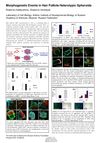
This study found that hyaluronic acid increased the size of hair follicle germ-like aggregates and the number of proliferative cells but did not maintain specific markers during the process.
 1 citations
,
July 2024 in “Skin Research and Technology”
1 citations
,
July 2024 in “Skin Research and Technology” This study found that patients with androgenetic alopecia had thinner scalp and subcutaneous tissues, narrower and shorter hair follicles, a lower hair follicle count, and fewer color flow signals compared to healthy volunteers, as measured by 22 MHz ultrasound.
 1 citations
,
May 2019 in “Journal of The European Academy of Dermatology and Venereology”
1 citations
,
May 2019 in “Journal of The European Academy of Dermatology and Venereology” New method, hair distribution width (HDW), improves accuracy in diagnosing androgenetic alopecia (AGA).
2 citations
,
August 2006 in “Journal of Dermatological Science” Automated image analysis helps diagnose and monitor alopecia areata by efficiently measuring hair follicles.
This study examined epidemiological data on patients with frontal fibrosing alopecia in Greece and found demographic patterns consistent with international studies.
 17 citations
,
April 1997 in “Archives of dermatology”
17 citations
,
April 1997 in “Archives of dermatology” This case report describes the treatment of hirsutism in a 15-year-old obese Mexican girl with flutamide, aiming to improve her social function.
June 2025 in “Academic Medical Journal” This review discusses the mechanisms underlying the collapse of hair follicle immune privilege in alopecia areata and emphasizes the importance of therapeutic strategies aimed at restoring immune tolerance.
 8 citations
,
October 2019 in “International Journal of Dermatology”
8 citations
,
October 2019 in “International Journal of Dermatology” This study examined 56 Thai patients with frontal fibrosing alopecia, finding frontotemporal hairline recession and eyebrow loss were common, and reported better disease stabilization with combination treatments of topical corticosteroids with hydroxychloroquine or finasteride.
 April 2020 in “Journal of The American Academy of Dermatology”
 In this study, to address long wait times for alopecia specialists, researchers implemented shared medical appointments for women with female pattern hair loss, modeled on formats previously used for conditions like acne and vitiligo.
2 citations
,
December 2023 in “International Journal of Dermatology” In this study, researchers identified a unique variant of alopecia areata characterized by an increase in telogen hair follicles and minimal inflammation present in the microenvironment.