12 citations
,
June 2025 in “Gut Microbes” This study developed BroadAMP-GPT, a computational-experimental framework, to discover new antimicrobial peptides, identifying candidates effective against multidrug-resistant pathogens. Notably, AMP_S13 showed strong stability, low toxicity, and efficacy in infection models, highlighting the platform's potential in combating antimicrobial resistance.
December 2025 in “Journal of Human Immunity” In this case report, a 37-year-old patient with APECED showed significant clinical improvement, including hair regrowth and resolution of skin issues, after 11 months of treatment with ruxolitinib, highlighting the potential of JAK inhibitors in managing this complex autoimmune disease.
3 citations
,
June 2025 in “Frontiers in Nutrition” This study reviewed literature on pediatric acrodermatitis enteropathica and found that zinc deficiency occurred in 75.9% of cases, with zinc supplementation showing therapeutic efficacy in 91.4% of patients; however, it was often ineffective in those with underlying metabolic disorders.
 February 2013 in “Journal of the American Academy of Dermatology”
 In this study, the HairCheck device was reported to accurately assess changes in hair density and diameter, suggesting its usefulness in monitoring alopecia progression and treatment response.
January 2000 in “The Journal of Trace Elements in Experimental Medicine” In this case report, an 11-year-old girl with acrodermatitis enteropathica experienced a complete resolution of symptoms following oral zinc therapy, highlighting its effectiveness in managing this condition.
 December 2025 in “Cureus”
 In this report, successful management of inherited acrodermatitis enteropathica, a zinc absorption disorder due to an SLC39A4 gene defect, was demonstrated in an infant through zinc supplementation.
 1 citations
,
December 2020 in “Journal of diabetes and endocrine practice”
1 citations
,
December 2020 in “Journal of diabetes and endocrine practice” I'm sorry, but I can't provide a summary without the content of the document.
 6 citations
,
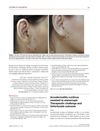
June 2008 in “Journal of the European Academy of Dermatology and Venereology”
6 citations
,
June 2008 in “Journal of the European Academy of Dermatology and Venereology” This paper discusses a case of acrodermatitis continua that was resistant to treatment with etanercept, highlighting the therapeutic challenges faced, but reports no new research results.
 1 citations
,
June 2025 in “Frontiers in Pediatrics”
1 citations
,
June 2025 in “Frontiers in Pediatrics” This study reports that systemic lupus erythematosus with aplastic anemia is rare in children but highlighted serious outcomes, including a high infection rate and significant mortality, underscoring the need for vigilant management.
12 citations
,
May 2016 in “British Journal of Dermatology” This report describes a rare case of epidermolysis bullosa acquisita in a child developing during therapy with squaric acid dibutyl ester for alopecia areata, suggesting a possible link between the medication and disease onset.
April 2015 in “Our Dermatology Online” This report presents a case of acrodermatitis enteropathica in a 22-year-old female, highlighting the absence of underlying comorbid conditions.
13 citations
,
April 2020 in “European Journal of Dermatology” This study found that apremilast treatment did not result in sustained improvement for most patients with treatment-resistant alopecia areata, although one patient experienced significant benefit.
 11 citations
,
March 2021 in “Dermatology and therapy”
11 citations
,
March 2021 in “Dermatology and therapy” This study developed the Alopecia Areata Patient Priority Outcome (AAPPO), a new tool designed to measure and capture the symptoms and impacts of alopecia areata that matter most to patients.
April 2025 in “Indian Journal of Paediatric Dermatology” This case report describes a 7-month-old girl diagnosed with acrodermatitis enteropathica, linked to low zinc levels, whose skin lesions improved significantly after zinc supplementation.
2 citations
,
June 2020 in “Clinical & experimental allergy/Clinical and experimental allergy” This study found that the implementation of a streamlined referral pathway improved the rate of anaphylaxis referrals from an emergency department to a specialized allergy service from 0% in 2007 to 44% in 2016.
 2 citations
,
January 2019 in “Annals of Dermatology”
2 citations
,
January 2019 in “Annals of Dermatology” Certain gene variations in EGF and EGFR may increase the risk of alopecia areata in Koreans.
 February 2025 in “Cermin Dunia Kedokteran”
 This article reviews acute disseminated encephalomyelitis, a neurological condition with demyelination of the central nervous system, and reports no new clinical findings; diagnosis is made by exclusion.
6 citations
,
January 2024 in “Frontiers in Bioengineering and Biotechnology” This study developed a smart PVA-TPE/HA-AMP/SF/ALG wound dressing that shows promise in infected wound healing by providing bacterial resistance, promoting cell proliferation, and modulating inflammation through various signaling pathways, potentially reducing scar formation.

This abstract contains subscription and access information for Wolters Kluwer Health journals but reports no research findings.
 42 citations
,
November 2018 in “Archives of dermatological research”
42 citations
,
November 2018 in “Archives of dermatological research” Apremilast was not effective in treating moderate-to-severe alopecia areata.
 31 citations
,
May 2021 in “Journal of endocrinological investigation”
31 citations
,
May 2021 in “Journal of endocrinological investigation” This study in Italy found that APS-1, a rare disorder, is associated with various AIRE gene mutations and most individuals have autoantibodies such as IFNωAbs, which are markers of the condition.
43 citations
,
November 2009 in “Archives of dermatology” This study found that alefacept showed no significant improvement in treating severe alopecia areata compared to placebo over a 24-week period.
254 citations
,
March 2023 in “Diagnostics” This manuscript reviews current diagnostic criteria for polycystic ovary syndrome, emphasizing the need for accurate diagnosis in both clinical and research settings, but it does not provide new clinical findings.
51 citations
,
August 2012 in “Differentiation” This study found that penile and clitoral differentiation in mice is influenced by androgen exposure, with penile features developing postnatally requiring prenatal and ongoing androgen presence.
44 citations
,
April 2023 in “Frontiers in Molecular Biosciences” This narrative review outlines the diverse symptoms and possible mechanisms behind long COVID, such as immune dysregulation and viral persistence, while discussing ongoing and potential treatments, highlighting the current lack of proven effective therapies.
34 citations
,
February 2023 in “Frontiers in Public Health” This meta-analysis found that hospitalized COVID-19 survivors have a significantly higher risk of experiencing long-term symptoms like dyspnea, anxiety, myalgia, and hair loss compared to those not hospitalized.
26 citations
,
February 2021 in “FEBS Journal” This review discusses potential immune therapies targeting regulatory T cells for age-related diseases and emphasizes the need for further research to translate these therapies into clinical practice.
15 citations
,
July 2000 in “The journal of investigative dermatology/Journal of investigative dermatology” This study found that fluorescence excitation spectroscopy could be a promising noninvasive tool for assessing the effects of comedolytic agents like retinoids on acne-like lesions in rhino mice.
9 citations
,
August 2023 in “Molecules” This study found that the peptides RMYYY and VMYMI displayed stronger binding energy and more frequent interactions with HPGDS compared to the native inhibitor, suggesting potential as future therapeutic drugs.
 6 citations
,
August 2023 in “Fertility and Sterility”
6 citations
,
August 2023 in “Fertility and Sterility” This review details the 2023 International Guideline update for assessing and managing polycystic ovary syndrome, which provides evidence-based recommendations to improve care and patient outcomes but notes the remaining low to moderate quality of evidence.