 18 citations
,
April 2001 in “Bioorganic & Medicinal Chemistry Letters”
18 citations
,
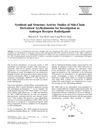
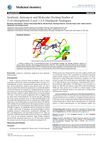
April 2001 in “Bioorganic & Medicinal Chemistry Letters” This study identified the N-(iodopropenyl) derivative 13 as a promising candidate for development as a radioiodinated androgen receptor ligand due to its binding affinity.
18 citations
,
May 2024 in “Pharmaceutics” This review discusses advances in drug delivery systems to enhance oleanolic acid's bioavailability and therapeutic potential but reports no new clinical results.
September 2024 in “Colloids and Surfaces B Biointerfaces” This study found that cedrol nanoemulsions significantly promote hair follicle regeneration and reduce DHT levels in an androgenic alopecia mouse model, suggesting potential efficacy in AGA treatment.
 January 2022 in “Current Enzyme Inhibition”
 This study found that two novel nonsteroidal derivatives inhibited specific enzymes in vitro and in vivo, leading to dihydrotestosterone accumulation in androgen-dependent glands, suggesting potential therapeutic use for mood improvement in the elderly.
179 citations
,
May 1982 in “The Journal of clinical investigation/The journal of clinical investigation” This study found that plasma 3 alpha-diol glucuronide was markedly elevated in women with idiopathic hirsutism, suggesting it may be a marker of peripheral androgen action.
 1 citations
,
May 2020 in “Beilstein Journal of Organic Chemistry”
1 citations
,
May 2020 in “Beilstein Journal of Organic Chemistry” This study developed a novel smart deoxyribozyme-based fluorescent sensor that efficiently detects androgen receptor mRNA with high selectivity and can be adapted to target various nucleic acid sequences.
September 2024 in “Annals of Dermatology” This study established an IRGDS model with diagnostic capability for alopecia areata, which may serve as an auxiliary marker for the condition.
7 citations
,
April 1992 in “Journal of steroid biochemistry and molecular biology/The Journal of steroid biochemistry and molecular biology” The authors concluded that plasma levels of 3α-diolG, ADTG, and DHTG in women with hyperandrogenic disorders primarily reflect adrenal androgen contributions rather than peripheral action, suggesting a potential index for treatment effectiveness.
 December 2025 in “Scientific Reports”
 In this study, cedrol was found to reduce lipid accumulation in the liver and adipose tissues of dexamethasone-treated mice by antagonizing glucocorticoid receptors, suggesting its potential utility in treating dexamethasone-induced lipid metabolism disorders.
This study concluded that the combination of all-trans-retinoic acid and tocopherol-α is not recommended for treating del(5q) myelodysplastic syndromes due to low efficacy and high incidence of adverse effects.
 1 citations
,
April 2017 in “Journal of Investigative Dermatology”
1 citations
,
April 2017 in “Journal of Investigative Dermatology” This study found that the novel IPC analog SIG-1451 may inhibit inflammatory cytokine release in cell-based assays relevant to allergic dermatitis.
January 2025 in “SSRN Electronic Journal”  260 citations
,
July 2010 in “Cell”
260 citations
,
July 2010 in “Cell” This study identifies mutations in the SRD5A3 gene as a cause of a new type of congenital disorder of glycosylation, impacting mental, ophthalmologic, and cerebellar functions.
 April 2017 in “Journal of Investigative Dermatology”
 In this study, the novel isoprenylcysteine analog SIG-1451 was shown to inhibit pro-inflammatory cytokine release in various cell-based assays relevant to allergic dermatitis, acting on targets such as IL-4 and IL-6 with potential anti-inflammatory benefits.
This study reports on a new semantic annotation approach used to identify substances in MEDLINE abstracts responsible for adverse drug reactions, with promising performance shown by a prototype system.
 8 citations
,
January 2013 in “Medicinal chemistry”
8 citations
,
January 2013 in “Medicinal chemistry” This study reported that among 10 tested 2-(4-chlorophenyl)-5-aryl-1,3,4-oxadiazole compounds, compound 4c showed the highest activity against cancer cell lines, with a 95.37% average growth rate.
This study found that administering gingerol improved survival and reduced organ damage in mouse models of chronic graft-versus-host disease by modulating T cell differentiation and inflammatory cytokines, suggesting a novel therapeutic approach for steroid-refractory cases.
 64 citations
,
January 1998 in “Drugs”
64 citations
,
January 1998 in “Drugs” In this study, oral dienogest combined with ethinylestradiol provided effective contraception with a Pearl Index of approximately 0.2 and improved androgenic symptoms without significant metabolic effects.
January 2017 in “Anais do 5º Encontro Brasileiro para Inovação Terapêutica” This study found that Dysphania ambrosioides oil exhibited cytotoxicity against U-937 lymphoma cells, indicating potential activity that warrants further investigation.
This abstract details known indications, categories, and potential reactions for various drugs, including anorexiants, estrogens, NSAID analgesics, cardiac glycosides, and migraine preventives, without reporting new clinical results.
 16 citations
,
August 2004 in “Tetrahedron”
16 citations
,
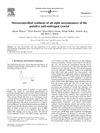
August 2004 in “Tetrahedron” In this study, all stereoisomers of cyoctol were synthesized and tested, revealing that contrary to initial patent claims, cyoctol does not function as an anti-androgen.
 2 citations
,
January 2025 in “Pharmaceutical Research”
2 citations
,
January 2025 in “Pharmaceutical Research” This article reviews the possible therapeutic activities of Angelica gigas Nakai root extracts and their components, noting their potential effects on neuro-cognitive, metabolic, and other health conditions, and reports no new clinical results.
May 2026 in “Journal of Medicinal Chemistry” In this study, the authors developed a novel PROTAC named dAR-6–1, which demonstrated superior hair regeneration in an AGA mouse model compared to minoxidil, highlighting its promise as a therapy due to potent AR degradation and excellent skin permeability.
April 2016 in “The journal of investigative dermatology/Journal of investigative dermatology” This study demonstrated that the Alopecia Areata Disease Activity Index (ALADIN), a new biomarker, strongly correlates with treatment response in patients using JAK inhibitors for alopecia areata.
November 2025 in “Journal of Investigative Dermatology” IMG-007 helps regrow hair and reduce scalp inflammation in severe alopecia areata.
66 citations
,
April 1989 in “Alcoholism Clinical and Experimental Research” This study found that the ethanol patch test effectively indicates the ALDH phenotype in healthy Japanese individuals, suggesting its usefulness for future research.
8 citations
,
June 1981 in “Clinica Chimica Acta” January 2025 in “Analytical Methods” This study reports the development of a fluorescent ionic liquid that shows high sensitivity and selectivity for detecting dextran sulfate sodium, with potential applications in clinical diagnostics and environmental monitoring.
 April 2019 in “Journal of Investigative Dermatology”
 This study identifies a mechanism where dsRNA activates TLR3 to induce RA production, promoting hair follicle regeneration in mice and suggesting a potential role in human tissue regeneration.
11 citations
,
November 2023 in “Journal of Advanced Research” This study found that activating ALDH2, an enzyme that detoxifies acetaldehyde, promoted hair growth in hair follicles by reducing oxidative stress and enhancing cellular signaling pathways, suggesting a potential therapeutic approach for inducing hair regrowth.