 December 2022 in “Acta Biomaterialia”
 Corrections were made to a previous work on 3D printing a gel-alginate mix for creating hair follicles, but the main finding - that this method can help grow hair - remains the same.
 1 citations
,
October 2022 in “International journal of endocrinology”
1 citations
,
October 2022 in “International journal of endocrinology” This study found that dihydrotestosterone treatment in female rats altered anterior pituitary gland gene expression, with significant repression of prolactin and inhibition of GnRH receptor gene expression, suggesting specific hormone production changes.
 6 citations
,
November 2018 in “Histochemistry and Cell Biology”
6 citations
,
November 2018 in “Histochemistry and Cell Biology” This study observed that gerbils exhibit a different wound healing mechanism compared to mice, with lower TGF-B1 expression and distinct tissue responses, yet achieve similar healing outcomes.
 3 citations
,
November 2021 in “Frontiers in Genetics”
3 citations
,
November 2021 in “Frontiers in Genetics” This study suggests that the CXCL8 gene may regulate cashmere fineness in Liaoning cashmere goats, providing new insights into the cellular mechanisms of cashmere growth and quality.
 1 citations
,
November 2020 in “Research Square (Research Square)”
1 citations
,
November 2020 in “Research Square (Research Square)” This study identified genes that may regulate cashmere fineness in Liaoning Cashmere Goats by analyzing skin cell types and exploring gene expression in secondary hair follicle dermal papilla cells.
 September 2019 in “Journal of Investigative Dermatology”
 This study suggests that human skin contains distinct fibroblast subsets with unique expression profiles and functions, which can be isolated to investigate their role in skin pathogenesis.
 August 2020 in “Acta medica Iranica”
 In this study, researchers found that facial papules may be early indicators of frontal fibrosing alopecia and lichen planopilaris, highlighting the importance of early recognition for diagnosis, especially in premenopausal women.
 February 2010 in “Acta Obstetricia et Gynecologica Scandinavica”
 This collection of articles in AOGS includes findings on tetranectin as a possible prognostic marker for advanced ovarian cancer, and the effectiveness of tension-free vaginal tape for recurrent stress urinary incontinence.
January 1959 in “Acta medica Scandinavica” This article discusses the relationship between vitamins and scalp hair loss but does not report new clinical results.
 121 citations
,
January 1991 in “Acta dermato-venereologica”
121 citations
,
January 1991 in “Acta dermato-venereologica” In this study, terbinafine reached high concentrations in stratum corneum and sebum after oral administration, with drug levels remaining above fungicidal concentrations for over three weeks.
116 citations
,
December 2003 in “Acta Dermato Venereologica” This study reports that Iressa, an anti-cancer agent, commonly causes acneiform eruptions and xerosis as cutaneous side effects, similar to other agents targeting epidermal growth factor receptors.
 89 citations
,
January 2013 in “Acta dermato-venereologica”
89 citations
,
January 2013 in “Acta dermato-venereologica” This review examines dandruff and seborrheic dermatitis, highlighting the role of Malassezia yeasts in inflammation and hyper-proliferation, and reports no new clinical findings.
 80 citations
,
November 1975 in “Acta dermato-venereologica”
80 citations
,
November 1975 in “Acta dermato-venereologica” This study found that while some patients with severe alopecia areata responded to high-dose prednisolone, the response was inconsistent and the therapy's risks prevent recommending it for general use.
66 citations
,
January 2020 in “Acta Dermato Venereologica” This article reviews genetic advances in resolving inherited ichthyoses using next generation sequencing and notes that new sequencing methods may clarify unknown types in the future.
 66 citations
,
January 2017 in “Acta dermato-venereologica”
66 citations
,
January 2017 in “Acta dermato-venereologica” This review suggests that isotretinoin's effects on severe acne and various cancers may result from apoptosis, which might also explain its adverse effects through genetic variability.
64 citations
,
October 1998 in “Acta dermato-venereologica” This study found that proanthocyanidins from grape seeds significantly promote hair follicle cell proliferation and hair cycle transition in mice, suggesting their potential as hair growth agents.
62 citations
,
June 2023 in “Acta Dermato Venereologica” This observational study found that patients with various skin diseases across 17 European countries experience higher levels of perceived stigmatization than skin-healthy controls, particularly those with psoriasis, atopic dermatitis, alopecia, and bullous disorders, with factors such as disease severity and psychological distress influencing stigmatization levels.
51 citations
,
September 2000 in “Acta dermato-venereologica” This study found that PPAR alpha, -delta, and -gamma are expressed in human hair follicle cells, and clofibrate exhibited a beneficial effect on hair follicle survival in culture within a specific concentration range.
51 citations
,
March 1986 in “Acta Dermato Venereologica” This study found no differences in trace element concentrations between Finnish alopecia patients and the normal population, but noted significant serum copper variation among different alopecia subtypes.
40 citations
,
October 2017 in “Acta Dermato Venereologica” This study found that illness perception, as measured by the Revised Illness Perception Questionnaire, was significantly associated with health-related quality of life in patients with primary cutaneous T- and B-cell lymphomas.
 40 citations
,
March 1984 in “Acta dermato-venereologica”
40 citations
,
March 1984 in “Acta dermato-venereologica” This study concluded that etretinate showed only moderate effects in treating lichen sclerosus and localized scleroderma, with some patients experiencing clearing but others having no resolution or lesion progression.
 39 citations
,
January 2012 in “Acta dermato-venereologica”
39 citations
,
January 2012 in “Acta dermato-venereologica” This study examined 27 DRESS patients diagnosed in Thailand, identifying phenytoin, allopurinol, and nevirapine as common causes, with a 3.7% mortality rate and systemic corticosteroids being a common treatment.
 37 citations
,
January 2010 in “Acta dermato-venereologica”
37 citations
,
January 2010 in “Acta dermato-venereologica” This study found that both men and women with androgenic alopecia had significantly higher triglycerides, total cholesterol, and LDL-C and lower HDL-C levels than controls, suggesting increased dyslipidemia prevalence.
37 citations
,
March 1986 in “Acta Dermato Venereologica” In this study, there was no significant difference in hair growth between patients with extensive alopecia areata treated with 1% minoxidil and those receiving a placebo.
34 citations
,
September 1997 in “Acta Dermato Venereologica” This study found that RXR agonists stimulated human hair follicle growth and survival in vitro, suggesting potential for promoting hair growth in humans.
33 citations
,
January 2019 in “Acta Dermato Venereologica” This case report suggests potential effectiveness of dupilumab for alopecia areata, though hair regrowth may result from indirect effects on inflammation in atopic dermatitis.
 33 citations
,
January 2002
33 citations
,
January 2002 This study found that daily topical application of 500 microg/ml latanoprost led to moderate to marked hair regrowth in a macaque model of androgenetic alopecia.
 32 citations
,
January 2006 in “Acta dermato-venereologica”
32 citations
,
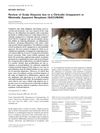
January 2006 in “Acta dermato-venereologica” SACUMAN, a rare condition causing hair loss without clear signs, is often misdiagnosed and needs scalp biopsies for accurate detection.
 29 citations
,
April 2019 in “Acta neuropathologica communications”
29 citations
,
April 2019 in “Acta neuropathologica communications” This study found that β-sitosterol, a brain-penetrable phytosterol, reduced melanoma cell growth and brain metastasis formation by interfering with mitochondrial respiration, suggesting its potential as an adjuvant therapy to BRAF inhibitors for patients with melanoma brain metastases.
27 citations
,
January 2020 in “Acta dermatovenerologica Alpina, Pannonica et Adriatica (Tiskana izd.)” This abstract outlines a questionnaire study conducted among doctors and nurses in Turkey during the early days of the COVID-19 outbreak, but it provides no new results.