 49 citations
,
May 2013 in “JAMA Dermatology”
49 citations
,
May 2013 in “JAMA Dermatology” This study found that moderate to severe androgenetic alopecia is an independent predictor of increased mortality risk from diabetes mellitus and heart disease in both sexes.
 September 2025 in “Journal of Cutaneous Medicine and Surgery”
 This expert panel review developed consensus recommendations for managing androgenetic alopecia in Canadian adults, endorsing seven interventions like oral and topical medications and platelet-rich plasma.
 May 2026 in “BMC Medicine”
 This study found that ACOD1 deficiency in dermal papilla cells promotes mitochondrial dysfunction and contributes to cellular senescence in androgenetic alopecia, suggesting ACOD1 as a potential therapeutic target and 4-octyl itaconate as a promising treatment option for AGA.
November 2025 in “OPAL (Open@LaTrobe) (La Trobe University)” This study found that the leaf extract of Tectona grandis and its major bioactive constituents moderately inhibit the 5α-reductase enzyme, which is linked to androgenetic alopecia, and also possess anti-inflammatory properties, showing promise as dual-action candidates for managing this condition.
October 2025 in “OPAL (Open@LaTrobe) (La Trobe University)” In this case study, a 10-month-old minority infant from Xinjiang, China, with acrodermatitis enteropathy caused by an SLC39A4 gene mutation showed clinical improvement and increased zinc levels following zinc supplementation, highlighting the importance of early genetic testing and customized treatment in managing the disorder.
 2 citations
,
May 2021 in “Case reports in dermatological medicine”
2 citations
,
May 2021 in “Case reports in dermatological medicine” This report describes a 28-year-old male with type 1 diabetes who presented with acrodermatitis enteropathica symptoms, highlighting potential challenges in blood glucose control linked to zinc deficiency.
 October 2004 in “Australian Prescriber”
 This review discusses the lack of long-term clinical studies on metformin's cardiovascular benefits in women with polycystic ovary syndrome, highlighting lifestyle changes as a crucial management strategy for reducing associated risks.
 November 1999 in “Journal of Cutaneous Medicine and Surgery”
 Treatments for hair loss include hormone modifiers, minoxidil, and hair transplant surgery.
February 2026 in “The Journal of Dermatology” This study reports that ritlecitinib 50 mg, with or without an initial loading dose, demonstrated meaningful and sustained efficacy up to 24 months in the Asian subpopulation with severe alopecia areata, showing significant scalp, eyebrow, and eyelash hair regrowth, along with an acceptable safety profile.
June 2026 in “Ubaya Repository (University of Surabaya)” In this study, chemotherapy regimens for lung cancer in Indonesian patients were found to be guideline-congruent, but adverse effects like anemia and hair loss were common, suggesting a need for managing these to optimize treatment.

This review discusses caffeine's potential role in treating androgenetic alopecia by counteracting DHT effects on hair follicles and enhancing cell proliferation, but reports no new clinical results.
November 2022 in “Indian Journal of Dermatology” This case report describes a 52-year-old woman with erythema annulare centrifugum after using topical luliconazole and oral itraconazole, suggesting a drug-induced reaction confirmed by a positive rechallenge test.
 September 2024 in “Journal of Cosmetic Dermatology”
 In this study, seven patients with refractory alopecia areata treated with concentrated growth factor and microneedling-assisted betamethasone experienced significant hair regrowth, with one achieving over 50% regrowth and six showing complete recovery, without adverse effects.
November 2025 in “Clinical and Translational Allergy” This study developed a consensus document to guide danazol discontinuation in hereditary angioedema patients, enhancing the standardization and safety of treatment protocols.
 13 citations
,
March 2019 in “Journal of Dermatological Treatment”
13 citations
,
March 2019 in “Journal of Dermatological Treatment” This review explores the inconsistent therapeutic effects and side effects of finasteride for androgenic alopecia, highlighting the need for further research to better predict individual patient responses.
July 2026 in “Journal of the American Academy of Dermatology” The lotion helps manage mild to moderate hair loss.
 December 2023 in “Journal of Ayub Medical College Abbottabad”
 In this study, Ritlecitinib was reported as a newly approved treatment for alopecia areata that can be used in patients aged 12 and older; after 24 weeks, it resulted in 80% or more scalp hair coverage in treated patients compared to a placebo.
 March 2010 in “The Journal of Urology”
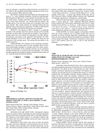
 This study found that men with early-onset androgenetic alopecia had larger prostate volumes and lower urinary flow rates compared to those without the condition, suggesting a potential link between AGA and urinary symptoms.
 50 citations
,
December 2008 in “Clinical Endocrinology”
50 citations
,
December 2008 in “Clinical Endocrinology” This study found that young males with stage III or higher androgenetic alopecia had higher insulin resistance and cardiovascular-related features, suggesting the need for metabolic assessment in this population.
April 2025 in “Indian Journal of Paediatric Dermatology” This case report describes a 7-month-old girl diagnosed with acrodermatitis enteropathica, linked to low zinc levels, whose skin lesions improved significantly after zinc supplementation.
 September 2024 in “Skin Appendage Disorders”
 This case report describes a 21-year-old woman with circumscribed alopecia areata incognita, who experienced a sustained positive response to treatment with oral tofacitinib after conventional treatments frequently failed to provide lasting effects.
July 2026 in “Journal of the American Academy of Dermatology” 
This study found that CPA-loaded nanoparticles, particularly SLN formulations, increased CPA epidermal penetration compared to a conventional cream and may reduce side effects in treating androgen-dependent conditions.
3 citations
,
August 2021 in “Journal of Cosmetic Dermatology” This study found that non-ablative Er:YAG laser treatment, alone or combined with other therapies, effectively improved hair quality and reduced AGA grade in patients, with high satisfaction reported and no adverse reactions.
 32 citations
,
July 2020 in “Journal of The American Academy of Dermatology”
32 citations
,
July 2020 in “Journal of The American Academy of Dermatology” This study noted that among hospitalized COVID-19 patients, androgenetic alopecia was prevalent, and severe cases were associated with adverse outcomes such as respiratory failure, highlighting a possible link with androgen sensitivity.
1 citations
,
April 2019 in “Acta medica Philippina” This study found that androgenetic alopecia is significantly associated with an increased risk of Metabolic Syndrome, particularly in early-onset male cases and females exhibiting severe AGA.
4 citations
,
December 2021 in “Dermatologic Therapy” This study reported 14 cases of frontal edema following mesotherapy for androgenetic alopecia, suggesting clinicians should be aware of this potential side effect.
1 citations
,
July 2026 in “Dermatology and Therapy” In this study, JAK inhibitors for treating alopecia areata and atopic dermatitis were generally well tolerated in a real-world setting, with most adverse events being mild or moderate and rare serious cases resembling the general population incidence.
 February 2026 in “Scientific Reports”
 This study predicted that key components of Platycladi Cacumen, such as quercetin and apigenin, may have stable binding interactions with targets involved in androgenetic alopecia.
 1 citations
,
September 2024 in “Frontiers in Pharmacology”
1 citations
,
September 2024 in “Frontiers in Pharmacology” In this real-world study, aumolertinib was found to improve patient-reported outcomes and maintain high disease control and objective response rates similar to those reported in the AENEAS trial for advanced NSCLC patients, supporting its use in first-line treatment.