 January 2010 in “Nihon Hou Kagaku Gijutsu Gakkaishi”
 This study concluded that their modified immunohistochemical staining protocol can determine the ABO blood group of both medullated and non-medullated scalp hair, potentially aiding in hair sample screening before DNA analysis.
 15 citations
,
October 2018 in “Reproductive Biomedicine Online”
15 citations
,
October 2018 in “Reproductive Biomedicine Online” This study suggests that the anogenital distance measure AGDAC may moderately discriminate the presence of polycystic ovarian syndrome and could be a useful clinical tool.
9 citations
,
April 2010 in “Lung cancer” This study reported that a gemcitabine and pemetrexed regimen was moderately active in advanced NSCLC but did not offer an advantage over the paclitaxel and gemcitabine regimen and is not recommended for further evaluation.
July 2025 in “Journal of Investigative Dermatology” Complex basal cell carcinomas need personalized treatment due to unique genetic mutations.
 January 2024 in “Wiadomości Lekarskie”
 This study reports that Abelson Interactor 1 (ABI1) regulates androgen receptor transcription in prostate cancer, identifying it as a potential target for new therapies addressing treatment resistance.
 July 2018 in “Kidney international”
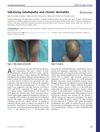
 This case study describes a 9-year-old girl with a homozygous EGFR gene mutation, presenting with tubulopathy and chronic dermatitis, whose ongoing symptoms and management offer insights into this rare genetic condition.
September 2025 in “JCEM Case Reports” In this case report, a 46-year-old woman initially diagnosed with 21-hydroxylase deficiency congenital adrenal hyperplasia was later identified as having 3β-HSD2 deficiency after further investigation, highlighting the need for awareness of rarer CAH forms to prevent delayed diagnosis and insufficient treatment.
 April 2026 in “Human Genome Variation”
 In this study, researchers identified a recurrent MBTPS2 splice-site variant as a mutational hotspot in IFAP syndrome across diverse families, with phenotype severity suggesting the influence of additional modifiers.
2 citations
,
October 2023 in “Cancer Reports” This study found that colorectal cancer patients could be categorized into two groups based on mitochondrial-related gene features, with distinct survival outcomes and tumor microenvironment characteristics, suggesting these features could inform individualized treatment plans.
 19 citations
,
December 2015 in “European Journal of Human Genetics”
19 citations
,
December 2015 in “European Journal of Human Genetics” This study found that a novel rare variant in ITGB6 may cause intellectual disability, alopecia, and dentogingival anomalies in a specific Pakistani family, highlighting a potential role for ITGB6 beyond enamel formation.
May 2023 in “Indian Journal of Dermatology” In this study, researchers observed temporary skin reactions at BCG vaccination sites following the Pfizer-BioNTech COVID-19 mRNA vaccine in five patients, suggesting underreported occurrences.

CaBP1 and 2 are necessary for maintaining calcium currents and hearing in inner ear cells.
 5 citations
,
September 2011 in “Pediatric Dermatology”
5 citations
,
September 2011 in “Pediatric Dermatology” This case report describes androgenetic alopecia in two young siblings, highlighting its occurrence in children and suggesting a possible familial pattern given their mother's similar condition.
September 2024 in “Annals of Dermatology” This study established an IRGDS model with diagnostic capability for alopecia areata, which may serve as an auxiliary marker for the condition.
6 citations
,
December 2019 in “Frontiers in genetics” In this study, animal model observations suggested that GLI1 expression may reduce cSCC initiation but is not involved in the tumor's aggressiveness.
4 citations
,
July 2019 in “Experimental Dermatology” In this study, 2-deoxy D-glucose did not prevent the progression of alopecia areata or promote hair regrowth in a mouse model despite its efficacy in other autoimmune conditions.
 1 citations
,
June 2023 in “Animals”
1 citations
,
June 2023 in “Animals” In this study, researchers found that overexpression of CRABP2 enhanced the proliferation of dermal papilla cells in Hu sheep through activation of the Wnt/β-catenin pathway, even when the pathway was inhibited.
The study reported that vismodegib showed significant effectiveness in treating basal cell carcinoma, particularly in patients with Gorlin-Goltz syndrome or locally advanced BCC, but also highlighted substantial side effects, requiring careful management to prevent treatment resistance and maintain remission.
January 2026 in “Animal Genetics” This study investigated a Labrador Retriever with paw pad hyperkeratosis and identified a unique de novo heterozygous missense variant in the GJB6 gene, suggesting its potential role in the condition, analogous to Clouston syndrome in humans, although differences between species may provide further insights.
 11 citations
,
March 2014 in “Journal of Investigative Dermatology”
11 citations
,
March 2014 in “Journal of Investigative Dermatology” In this study, basal cell carcinoma developed in Ptch-deficient mice only after chemical treatment, not skin wounding, suggesting a second unknown event is necessary for tumor formation.
November 2012 in “Experimental and Clinical Endocrinology & Diabetes” This case report describes a 46,XY female patient with a novel homozygous nonsense mutation in the LHCGR gene, highlighting the need for molecular analysis in disorders of sexual development.
 September 2022 in “Anais Brasileiros de Dermatologia”
 This case study reports a female adult patient with annular elastolytic giant cell granuloma on the scalp, observed through dermoscopy showing multiple yellowish/orange follicular dots against an erythemato-whitish background.
This study found that inhibiting mTORC2 in glioblastoma cells reduced DNA repair and increased apoptosis, highlighting its potential role in cancer cell survival and DNA damage response.
 66 citations
,
April 1995 in “The journal of cell biology/The Journal of cell biology”
66 citations
,
April 1995 in “The journal of cell biology/The Journal of cell biology” In this study, researchers reported that a keratinocyte growth factor-Ig fusion protein could specifically detect and localize KGFRs in epithelial tissues, suggesting a method for histochemical detection of growth factor receptors.
22 citations
,
September 2003 in “Journal of Investigative Dermatology” This study analyzed patients with X-linked dominant chondrodysplasia punctata and identified novel mutations in the emopamil-binding protein gene, highlighting the need for genetic testing alongside biochemical analysis for accurate diagnosis.
 January 2026 in “BMC Veterinary Research”
 The researchers reported finding a recessive nonsense variant in the EGFR gene responsible for perinatal lethality in the "Blonde d'Aquitaine" cattle breed, prompting the development of a screening test to help eradicate this genetic flaw.
 2 citations
,
November 2015 in “Endocrinology, Diabetes & Metabolism Case Reports”
2 citations
,
November 2015 in “Endocrinology, Diabetes & Metabolism Case Reports” This case report describes a 57-year-old man's late diagnosis of X-linked adrenoleukodystrophy, highlighting the need to consider this condition in patients with non-autoimmune primary adrenal insufficiency and neurological issues.
 July 2023 in “Journal of allergy and clinical Immunology. Global”
 This case report describes a 10-month-old boy with VACTERL association and athymia who developed Omenn syndrome, highlighting the complex overlap of these conditions and the challenging clinical course due to profound T-cell immunodeficiency.
64 citations
,
March 2004 in “Journal of Clinical Investigation” This study found that inhibiting the enzyme ornithine decarboxylase (ODC) prevented UVB-induced basal cell carcinomas in a mouse model, suggesting ODC is a potential target for chemoprevention strategies.
 28 citations
,
May 2020 in “BMC plant biology”
28 citations
,
May 2020 in “BMC plant biology” This study concluded that GLCAT14A-C genes are crucial for the function of glucuronic acid transfer to AGPs in Arabidopsis, affecting various growth and reproductive traits such as seed germination and root hair growth.