 September 2024 in “Genes”
 This study found that overexpressing CRABP1 in dermal papilla cells promotes their proliferation and influences key genes in the Wnt/β-catenin signaling pathway, which may offer insights into mechanisms controlling hair follicle development.
 January 2025 in “Dermatology Reports”
 This case report describes a 61-year-old Italian man with a rare, localized variant of junctional epidermolysis bullosa linked to the R795X mutation in the COL17A1 gene, highlighting the importance of precise diagnosis for effective management of rare genetic disorders.
 1 citations
,
January 2023 in “In vivo/In Vivo”
1 citations
,
January 2023 in “In vivo/In Vivo” This study suggests that the activation of box A in mesenchymal cell models may enhance stem cell properties, increasing the expression of stemness markers like OCT4, NANOG, and SOX2.
7 citations
,
September 2013 in “Familial cancer” This review discusses recent insights into Birt–Hogg–Dube syndrome, including the functions of the FLCN gene and clinical recommendations for screening and treatment, but it reports no new experimental results.
 April 2023 in “Journal of Investigative Dermatology”
 This study found an increased number of perivascular mast cells and upregulated CB1 expression in patients with IgA vasculitis compared to healthy individuals, suggesting potential involvement in the disease's pathogenesis and inflammation.
 1 citations
,
November 2002 in “Journal of dermatology”
1 citations
,
November 2002 in “Journal of dermatology” This study investigated the histogenetic relationship between basal cell carcinoma and hair follicles, revealing specific staining patterns of a monoclonal antibody in different skin tissues.

This research reports that transglucosylation significantly improved the water solubility of baicalin through the synthesis of baicalin glucosides, with BG1 and BG2 showing enhanced solubility and potential biological activity similar to baicalin in antioxidant and anti-glycation assays.
 62 citations
,
January 2010 in “Hormone research in paediatrics”
62 citations
,
January 2010 in “Hormone research in paediatrics” This study found that the R257X mutation in the AIRE gene is prevalent among Russian patients with autoimmune polyglandular syndrome type 1, particularly in those with hypoparathyroidism and chronic mucocutaneous candidiasis.
 August 2022 in “IntechOpen eBooks”
 This article reviews congenital adrenal hyperplasia, a group of rare genetic disorders affecting steroid synthesis, and highlights the need for specific therapy and ongoing monitoring, but reports no new clinical findings.
This study found that GNAQQ209L expression in mouse melanocytes led to reduced survival in the interfollicular epidermis due to paracrine signaling, while GNAQQ209L boosted survival in a different microenvironment.
 10 citations
,
October 2016 in “Monoclonal antibodies in immunodiagnosis and immunotherapy”
10 citations
,
October 2016 in “Monoclonal antibodies in immunodiagnosis and immunotherapy” This study developed rat monoclonal antibodies that specifically detect Pax1/PAX1 protein, which could improve diagnostic protocols for conditions involving deregulated Pax1/PAX1 expression.
56 citations
,
April 2019 in “The Plant Journal” This study found that CNGC 6, CNGC 9, and CNGC 14 are crucial for maintaining calcium oscillations necessary for normal root hair growth in plants, with mutations leading to defects like swelling and bursting.
9 citations
,
November 2013 in “Journal of Investigative Dermatology” This study found that transgenic mice with keratinocyte-specific overexpression of CtBP1 exhibited abnormal hair follicle development, suggesting CtBP1 may play a pathogenic role in hair morphogenesis.
July 2017 in “Cancer Research” This study identified a radio-resistant population of Krt15+ stem cells in the mouse small intestine that can initiate tumors, suggesting potential targets for colon cancer therapy.
2 citations
,
February 2022 in “bioRxiv (Cold Spring Harbor Laboratory)” In this study, researchers found that correcting the HGPS mutation with Adenine base editing partially rescued accelerated skin cell differentiation and reduced cell death in patient-derived stem cells.
333 citations
,
March 2000 in “Proceedings of the National Academy of Sciences” In this study, researchers established that increased expression of the human GLI-1 gene in mouse skin leads to the development of tumors that closely resemble human basal cell carcinomas, without requiring additional mutations in the p53 or Ha ras genes.
This study found that GPC1 is a significant regulator of angiogenesis in human dermal microvascular endothelial cells, suggesting its potential as a target for alopecia research.
22 citations
,
August 1999 in “Mechanisms of Development” This study identified two novel genes, pmg-1 and pmg-2, expressed in various skin and gland tissues and potentially involved in the differentiation of epithelial cells in epidermal appendages.
117 citations
,
August 1999 in “Nature Genetics” 29 citations
,
October 2004 in “Differentiation” Multiple mouse desmoglein 1 isoforms have distinct roles in skin and hair development.
 July 2018 in “Kidney international”
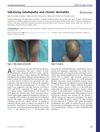
 This case study describes a 9-year-old girl with a homozygous EGFR gene mutation, presenting with tubulopathy and chronic dermatitis, whose ongoing symptoms and management offer insights into this rare genetic condition.
5 citations
,
February 2003 in “American Journal of Medical Genetics Part A” This case report describes a 6.5-year-old girl with a balanced chromosome translocation involving chromosomes 1 and 6, linked to developmental speech delay and features suggestive of ectodermal dysplasia.
39 citations
,
September 2018 in “American Journal of Medical Genetics Part A” This case report describes a 32-month-old girl with a newly identified pediatric disorder linked to a de novo mutation in the ODC1 gene, mirroring symptoms seen in a transgenic mouse model.
 January 2010 in “Nihon Hou Kagaku Gijutsu Gakkaishi”
 This study concluded that their modified immunohistochemical staining protocol can determine the ABO blood group of both medullated and non-medullated scalp hair, potentially aiding in hair sample screening before DNA analysis.
5 citations
,
December 2020 in “Gene” This study found that ANXA1 may influence hair growth in mice by regulating hair follicle stem cell proliferation through the EGF signaling pathway.
 March 2026 in “Dermatopathology”
 This study found that sebaceous gland-derived cutaneous adnexal carcinomas exhibited the highest frequency of genomic alterations compared to other tumor types.
 21 citations
,
January 2018 in “Anticancer Research”
21 citations
,
January 2018 in “Anticancer Research” This study suggests that NBCCS and BFHS may be the same genetic condition, which could help improve identification and management of misdiagnosed cases with specific surveillance strategies.
 101 citations
,
November 2011 in “Nature Communications”
101 citations
,
November 2011 in “Nature Communications” Wnt/β-catenin signaling is crucial for cell fusion in placental development.
380 citations
,
March 2000 in “Proceedings of the National Academy of Sciences” This study demonstrates that mice with ectopic expression of the human GLI-1 gene in their skin developed tumors resembling human basal cell carcinoma, suggesting that GLI-1 is central to tumor development without additional p53 or Ha ras mutations.
48 citations
,
March 2010 in “PloS one” This study found that the co-ablation of C/EBPalpha and C/EBPbeta in adult mouse skin disrupted sebocyte differentiation and epidermal homeostasis, highlighting their critical roles in these processes.