19 citations
,
July 2005 in “Steroids” In this study, researchers developed a sensitive LC–MS–MS assay to measure 3α-androstanediol levels in rat plasma and observed that testosterone raises these levels via a 5α-reductase pathway.
9 citations
,
January 2017 in “Archives of biochemistry and biophysics” In this study, testosterone was reported to increase aquaporin levels and water reabsorption in the kidneys of male rats, potentially leading to higher blood pressure, with effects mitigated by flutamide and finasteride.
 9 citations
,
February 2016 in “The Journal of Dermatology”
9 citations
,
February 2016 in “The Journal of Dermatology” This letter provides no study results about minoxidil 3% lotion for beard enhancement but instead shares author and affiliation details for the published research.
 4 citations
,
December 2011 in “Journal of The American Academy of Dermatology”
4 citations
,
December 2011 in “Journal of The American Academy of Dermatology” This study found that higher cumulative doses of topical minoxidil solution were strongly associated with improved hair density and thickness in male patients with androgenic alopecia over a 24-week period.
 January 2025 in “SKIN The Journal of Cutaneous Medicine”
 This study of baricitinib in adults with severe alopecia areata found that after initial success, 10.9% of participants lost treatment response by Week 152. Factors like longer disease duration and severe baseline symptoms were more common in those losing response.
 October 2017 in “The American journal of gastroenterology”
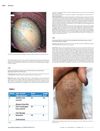
 This case series highlights severe micronutrient deficiencies and complications in three patients who did not adhere to follow-up care after Roux-en-Y gastric bypass, emphasizing the importance of regular nutritional monitoring.
 November 2023 in “Journal of Cosmetic Dermatology”
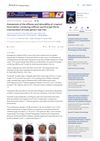
 This study found that a 12-week topical treatment with a caffeine and Procapil 3% formulation effectively reduced hair loss by 26.9% and improved hair growth in men with androgenetic alopecia, without any reported adverse effects.
21 citations
,
February 1988 in “Toxicology” This study found that high doses of TCB caused severe toxicity in cotton top marmoset monkeys, with clinical and histological changes similar to those in humans and other primates exposed to PCBs.
 5 citations
,
September 2021 in “Journal of Medical Biochemistry”
5 citations
,
September 2021 in “Journal of Medical Biochemistry” This study found that Wet-type Age-Related Macular Degeneration patients had higher oxidative stress and HMGB-1 levels compared to healthy controls, suggesting a link to increased tissue inflammation and necrosis.
 3 citations
,
January 1992 in “Gynecological Endocrinology”
3 citations
,
January 1992 in “Gynecological Endocrinology” This study concluded that serum Adiol-G levels generally parallel testosterone levels and, therefore, do not effectively serve as a marker of peripheral androgen excess in women with androgenic symptoms.

Baricitinib helps keep hair, eyebrows, and eyelashes regrown for 3 years in most people with severe hair loss.
January 2025 in “The Egyptian Journal of Hospital Medicine” This study found that keloid patients exhibited significantly higher expression levels of NEDD4-TV3 and IGF-1 genes compared to controls, indicating a potential role of these genes in predicting and understanding keloid formation.
 January 2024 in “Fitoterapia”
 In this study, the analysis of Ukraine's pharmaceutical market from 2020 to 2023 found a large variety of Vitamin D3 preparations, predominantly domestic and synthetic, with capsule forms being common; consumer surveys highlighted that doctor recommendations strongly influenced purchasing decisions.
![Verification of the Major Metabolic Oxidation Path for the Naphthoyl Group in Chemoattractant Receptor-Homologous Molecule Expressed on Th2 Cells (CRTh2) Antagonist 2-(2-(1-Naphthoyl)-8-fluoro-3,4-dihydro-1H-pyrido[4,3-b]indol-5(2H)-yl)acetic Acid (Setipiprant/ACT-129968)](/images/assets/d743d32f-3115-48ff-9697-2f2d56130701/small/14175.jpg) 6 citations
,
September 2015 in “Journal of Medicinal Chemistry”
6 citations
,
September 2015 in “Journal of Medicinal Chemistry” This study synthesized and verified the structures of Setipiprant's major and minor metabolites, confirming their regio- and enantioselectivity from earlier proposals in a clinical study.
This study reviewed existing literature and found that green tea may have potential as a treatment for male androgenetic alopecia, demonstrating hair growth stimulation and fewer adverse reactions compared to minoxidil, despite being used in smaller concentrations.
 July 2015 in “Hair transplant forum international”
 This report covers the successful Workshop for Assistants in Denver, which aimed to provide updated training in hair restoration surgery techniques.
January 1988 in “Toxicological Sciences” In this study, a single oral dose of 2,3,4,7,8-pentachlorodibenzofuran in male Fischer rats led to dose-dependent toxicity, resulting in weight loss, hepatotoxicity, and mortality.
This research suggests that the digit ratio, 2D:4D, is unlikely to be a significant indicator of male androgenetic alopecia, contradicting a prominent isolated finding from a previous study.
 June 2023 in “Skin Research and Technology”
 The researchers reported that an oral supplement containing hydrolysed fish-origin collagen, taurine, cysteine, methionine, iron, and selenium significantly improved the effectiveness of anti-hair loss treatments in people with androgenic alopecia or chronic telogen effluvium after 12 weeks, compared to drug treatments alone.
 February 2004 in “The New England Journal of Medicine”
 The book is a comprehensive and current guide on hair disorders, with minor flaws.
31 citations
,
January 2008 in “Gynecological endocrinology” In this study, two different estroprogestin treatments significantly improved skin conditions and decreased androgen levels in hyperandrogenic women, with EE/DRSP showing more pronounced hormonal changes and skin improvements compared to EE/CMA.
 7 citations
,
November 2014 in “Clinical Therapeutics”
7 citations
,
November 2014 in “Clinical Therapeutics” This study observed that coadministration of finasteride and tamsulosin in healthy Chinese males appears unlikely to result in a clinically significant pharmacokinetic interaction.
October 1993 in “The Journal of Clinical Pharmacology”  43 citations
,
July 2018 in “Journal of The European Academy of Dermatology and Venereology”
43 citations
,
July 2018 in “Journal of The European Academy of Dermatology and Venereology” This study found that a topical solution combining 0.25% finasteride with 3% minoxidil significantly improved hair growth, as measured by hair density, diameter, and global assessment, in men with androgenetic alopecia, compared to 3% minoxidil alone, over 24 weeks without systemic adverse effects reported.
 July 2016 in “American Journal of Dermatopathology”
 The meeting showcased rare skin disease cases, highlighting the need for accurate diagnosis and treatment.
April 2026 in “Zenodo (CERN European Organization for Nuclear Research)” This single observational study reported that a combination of a morning Detox Drink regimen and Malasana yoga practice improved symptoms of chronic constipation in a 37-year-old woman over seven days.
April 2026 in “Zenodo (CERN European Organization for Nuclear Research)” In this case study, a daily morning Detox Drink combined with Malasana improved bowel frequency, stool consistency, and other constipation-related symptoms in a 37-year-old woman with chronic Malabaddha.
 5 citations
,
November 2022 in “Journal of Ginseng Research/Journal of ginseng research”
5 citations
,
November 2022 in “Journal of Ginseng Research/Journal of ginseng research” This study investigated the role of autophagy in human dermal papilla cells and found that inhibiting autophagy accelerates the catagen phase by reducing Wnt/β-catenin signaling. Furthermore, adding ginsenoside Re appears to restore autophagy, suggesting potential benefits for mitigating hair loss linked to autophagy inhibition.
 21 citations
,
October 2011 in “PloS one”
21 citations
,
October 2011 in “PloS one” In this study, researchers identified three molecules in hair that varied with age, suggesting potential markers for aging and targets for cosmetic products.
13 citations
,
October 2022 in “Reproductive Biology and Endocrinology” This study demonstrated that hyaluronan gel is a promising biomaterial for 3-D in vitro culture of mouse ovarian follicles, supporting the production of fertilizable metaphase II oocytes.